

 Deutsch
 English
 Italiano








Selective laser sintering (SLS): 3D printing for durable plastic parts
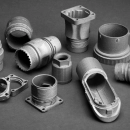
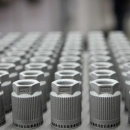
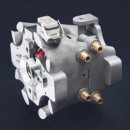
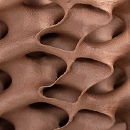
Selective laser sintering (SLS) is a 3D printing process in which a laser fuses fine plastic powder layer by layer into a part. Because the surrounding powder supports the part, SLS needs no support structures – this enables complex geometries, movable assemblies printed in one piece and parts that can withstand mechanical loads.
SLS is one of the most established industrial 3D printing processes for plastics. Typical applications are functional prototypes, pre-series and small batches, jigs and fixtures, and spare parts. On the PROTIQ Marketplace, you upload your 3D data, choose the material and compare prices and delivery times from different suppliers.
SLS at a glance
- Materials
- PA12, PA11, PA6, TPU, PP and more
- Support structures
- none
- Minimum wall thickness
- 1.0 mm
- Surface
- slightly rough, matte
- Quantity
- Single part to small batch
Tolerance and wall thickness according to PROTIQ data sheets (e.g. PA12); values may differ with other suppliers.
How it works
How does selective laser sintering work?
A recoater applies a thin layer of plastic powder, a laser fuses the powder where the part is to be built, and the build platform then lowers by one layer thickness. This repeats until the part is complete.
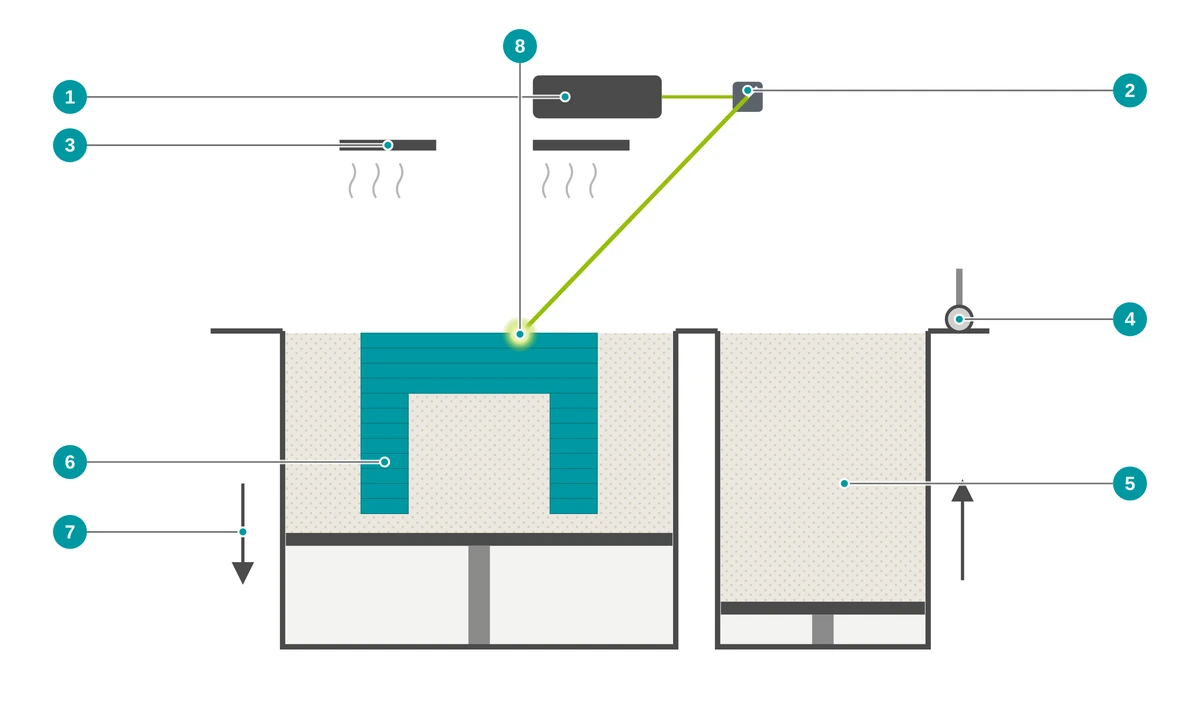
- 1 Laser
- 2 Scanner mirrors direct the laser beam
- 3 Heaters keep the powder just below its melting temperature
- 4 Recoater (roller or blade) applies a new layer of powder
- 5 Powder supply
- 6 Part – supported by the loose powder, no support structures
- 7 Build platform lowers after each layer
- 8 Laser fuses the current layer
- Prepare the data The 3D model is sliced into thin layers. Many parts can be arranged together in the build space – even on top of each other.
- Heating The build space is heated to just below the melting range of the plastic, so the laser only needs a little additional energy.
- Recoating A roller or blade spreads a thin layer of powder on the build platform.
- Laser exposure The laser traces the cross-section of the part and fuses the powder with the layer below. The platform then lowers and the next pass begins.
- Cooling After the last pass, the entire powder cake cools down slowly. This is important for dimensionally accurate parts.
- Depowdering and finishing The parts are removed from the powder and blasted. Dyeing, painting or other post-processing can follow on request.
SLS on video
The video shows how selective laser sintering works.
Powder that has not been fused is processed and reused in the next build job – usually mixed with fresh powder.
↑ Back to overviewAdvantages
What are the advantages of SLS?
SLS combines great design freedom with durable parts. Because neither support structures nor tooling are needed, the process is particularly cost-effective for prototypes and small batches.
No support structures
The loose powder supports the part. Undercuts, internal channels and movable assemblies are produced in one piece.
Durable functional parts
SLS parts can withstand mechanical loads and are suitable for functional prototypes as well as – depending on the requirements – end-use parts.
Cost-effective from the first part
No tooling, no mold costs: many parts are produced together in the build space – from a single part to a small batch.
Wide choice of materials
From PA12 and PA11 to filled and flame-retardant grades, flexible TPU and – on request – high-performance plastics.
Easy post-processing
SLS parts can be blasted, dyed and painted – for a uniform appearance or a color of your choice.
Changes without new tooling
A design change only affects the 3D data. Spare parts can be reproduced when needed, even years later – provided the data and material are available.
Materials
Which plastics are available for SLS?
Most SLS parts are made of polyamide, especially PA12 and PA11. There are also filled and flame-retardant grades, flexible plastics such as TPU, PP and, on request, high-performance plastics.
Polyamides can withstand mechanical loads and are resistant to many chemicals. You can see which materials and colors are currently available in the configurator after uploading your file – where you will also find the current data sheets from the suppliers.
PA12 – the all-rounder
The standard material in SLS: strong, versatile and easy to post-process. Often used for functional parts.
More about the materialPA12 filled and flame-retardant
Depending on availability: glass-bead-filled for higher stiffness and heat resistance, aluminum-filled for a metallic look, flame-retardant – also halogen-free – for parts with fire protection requirements.
PA11 – tough and bio-based
Made from renewable raw materials (castor oil). High elongation at break – good for parts that need to flex, such as snap-fits. Other variants are also available depending on availability.
PA11 ESD (electrostatic dissipative)
For parts that need to dissipate electrostatic charge, such as holders and carriers for electronic components.
More about the materialPA6 – stiff and heat-resistant
For functional parts exposed to higher temperatures and mechanical loads, also glass-fiber or carbon-fiber filled.
TPU and TPA – flexible
Rubber-like plastics, for example for dampers, grips, protective caps and flexible connections.
PP – chemically resistant
Polypropylene is tough and chemically resistant – for example for parts that come into contact with chemicals.
High-performance plastics (on request)
PEKK and PEEK are highly resistant to temperature, wear and chemicals and can replace metal in some applications. Availability on request.
Which SLS material suits my requirements?
| Requirement | Suitable material |
|---|---|
| Prototypes and functional parts without special requirements | PA12 |
| Impact-resistant parts, snap-fits | PA11 |
| Stiffness and heat | PA6 (also filled), PA12 glass-bead-filled depending on availability |
| Metallic look | PA12 aluminum-filled (depending on availability) |
| Flexible and rubber-like | TPU, TPA |
| Chemical resistance | PP |
| Fire protection requirements | PA12 flame-retardant – see data sheet for test certificates |
| Electrostatic dissipative parts, e.g. in electronics | PA11 ESD (electrostatic dissipative) |
| Food contact | PA11 or PA12 in a food-grade version |
| Very high temperatures, metal replacement | PEKK, PEEK (on request) |
For guidance only. Test certificates, for example on fire behavior, apply to the wall thickness stated in the data sheet; the suitability and approval of the finished part are the responsibility of the customer. Material properties may vary depending on the supplier – the data sheets in the ordering process are binding. For applications involving food contact, the material’s declarations of conformity also apply.
↑ Back to overviewTechnical data
Technical data and design guidelines for SLS
At PROTIQ, the standard tolerance for SLS parts is ± 0.7 %, at least ± 0.1 mm, and the minimum wall thickness is 1.0 mm. How large a part can be depends on the supplier’s machine. PROTIQ can split larger parts and join them afterwards.
| Feature | Value |
|---|---|
| Maximum part size | depending on the supplier’s machine – checked automatically on upload |
| Minimum wall thickness | 1.0 mm |
| Tolerance | ± 0.7 %, at least ± 0.1 mm |
| Surface | slightly rough and matte, due to the powder grain |
| Support structures | not required |
| Color | Base color depending on material and supplier; can be dyed and painted |
Tolerance and minimum wall thickness according to PROTIQ data sheets (e.g. PA12 and PA11 ESD), unless otherwise agreed. Values may differ with other suppliers – the information in the ordering process is binding.

What to consider when designing
- Wall thicknesses Plan walls of at least 1.0 mm. By arrangement, PROTIQ can thicken areas that are too thin and thus make them printable for laser sintering – please contact us before ordering.
- Depowdering cavities Powder remains trapped in closed cavities. Provide at least two openings so the powder can be removed.
- Moving parts Joints and assemblies can be printed fully assembled. A gap is needed between the parts – our print-in-place download models use 0.5 mm.
- Large, flat surfaces They can warp as they cool. Ribs, recesses or a slightly curved shape help.
- Threads and fits It is better to recut small threads or use threaded inserts. Tight fits should be reworked.
- Combining several parts What would otherwise be screwed together can often be a single part. This saves assembly work and parts.
Limits & alternatives
When is another process better than SLS?
SLS plays to its strengths with durable, complex plastic parts. If a very smooth surface, the finest details, metal or large quantities are required, another process is often a better fit.
- Surface Untreated, the surface is slightly rough. Blasting, vibratory finishing or painting make it more uniform.
- Detail reproduction SLS reproduces very fine details only moderately well. SLA or PolyJet are better suited for this.
- Tightness Untreated SLS parts are not reliably tight against liquids and gases. If your part needs to be tight, please contact us before ordering.
- Yellowing Light-colored parts can yellow slightly over time if the surface is not treated. Dark dyeing makes this less visible, and a UV-resistant paint protects the surface.
| Process | Strengths | May be the better choice if … |
|---|---|---|
| Multi Jet Fusion (MJF) | Powder bed process like SLS, also without support structures; parts mostly gray or black | … you prefer dark parts – or compare prices and delivery times of both processes |
| Stereolithography (SLA) | Very smooth surfaces, fine details, also transparent materials | … appearance and detail are more important than strength |
| PolyJet / MultiJet | Multicolor parts and combinations of rigid and soft materials | … you need design and display models |
| FDM | Inexpensive for simple geometries | … a simple prototype made quickly and inexpensively is enough |
| Selective laser melting (SLM) | Metal parts | … your part must be made of metal |
| Vacuum casting | Small batches with a smooth, production-like surface, cast in silicone molds | … you need parts with a production-like appearance in small quantities |
| Injection molding | Cost-effective for large quantities | … the quantity is so large that an injection mold pays off |
Multi Jet Fusion, PolyJet, MultiJet, FDM and CLIP are trademarks of their respective owners.
↑ Back to overviewApplications
What is selective laser sintering used for?
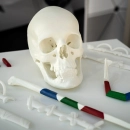
SLS was originally a process for rapid prototyping. Today it is also used to produce small batches, jigs and fixtures, and spare parts – in many industries, from mechanical engineering to gastronomy.

Prototyping
Functional prototypes without tooling – changes go straight into the next version.
To prototyping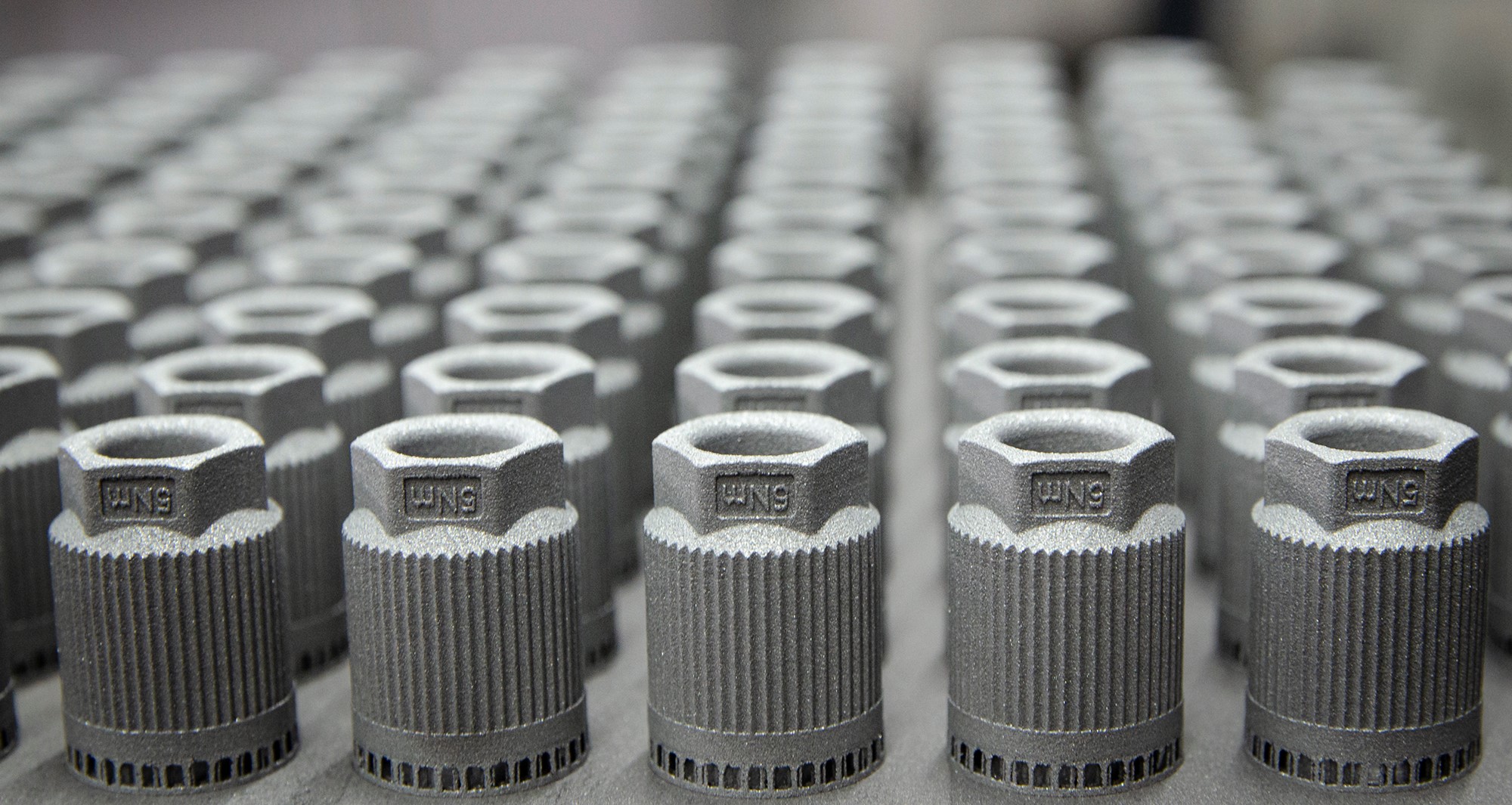
Series production
Pre-series and small batches without tooling costs, also in individual variants.
To series production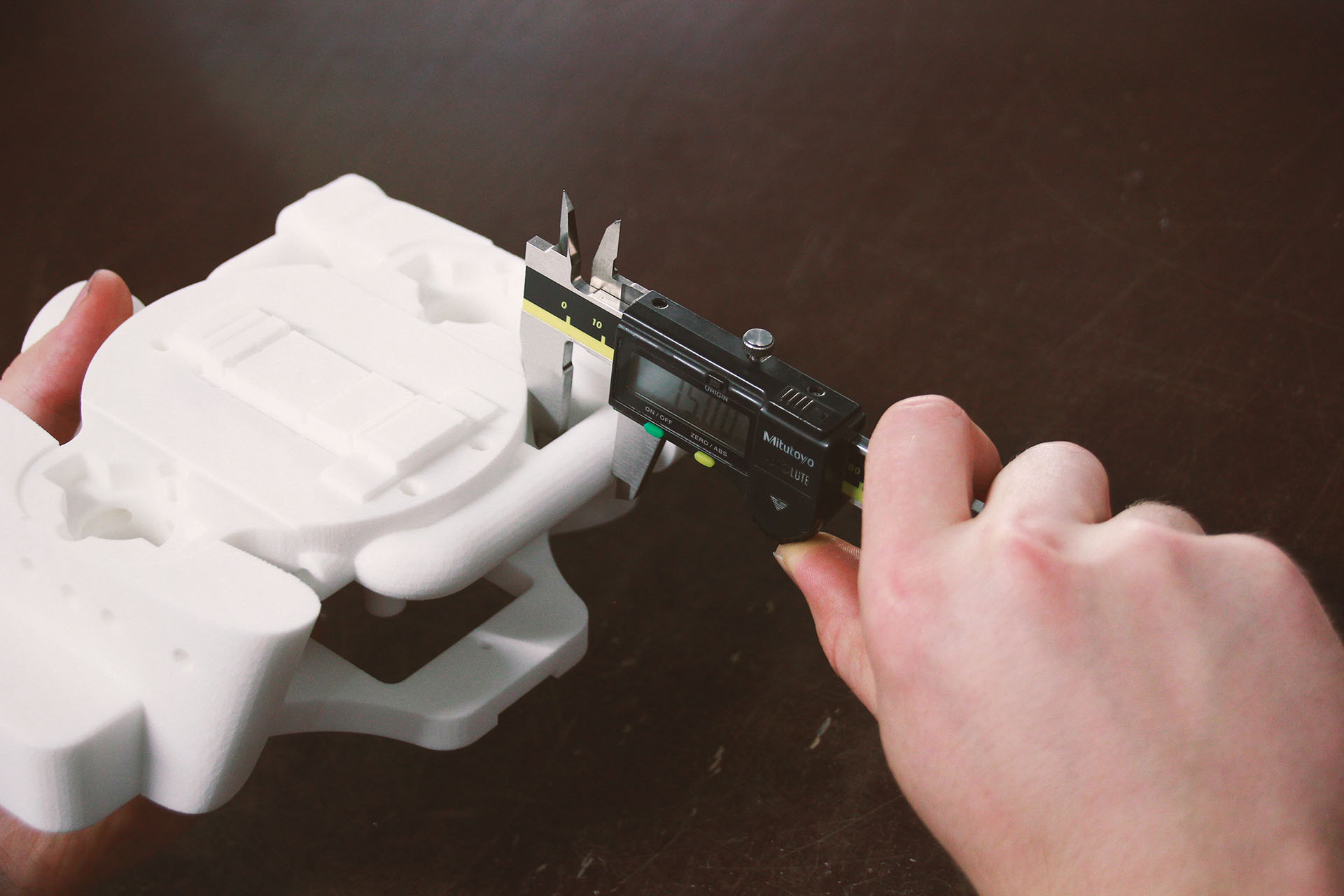
Spare parts
Reproduce parts that are no longer available, for example for classic cars – if necessary via reverse engineering with CT.
To reverse engineering
Model making
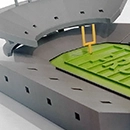
Sturdy models in one piece – even with undercuts and moving parts.
To model making
Gastronomy
Cookie cutters, stamps and utensils made of food-grade materials. Whether the finished part is suitable depends on the application and post-processing.
To gastronomy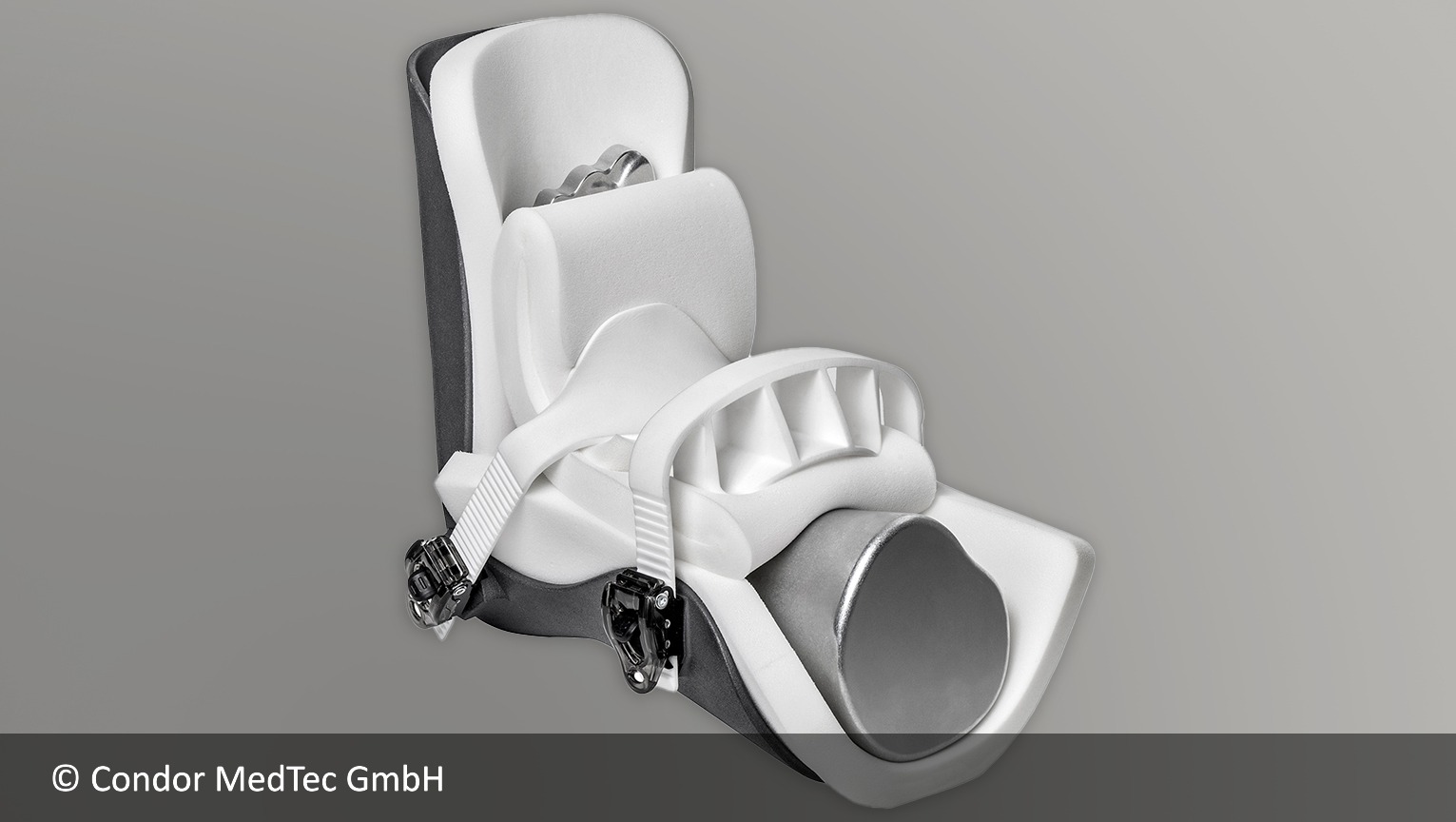
Medical technology
Display models, fixtures and prototypes – we clarify requirements such as biocompatibility on a case-by-case basis.
To medical technologyOrder
How do I order SLS parts?
Upload your 3D file, choose the material and process and compare the suppliers’ offers. You decide who manufactures your part.
- Upload file Upload your 3D data in the configurator. The system automatically checks whether the part fits into the build space.
- Choose material Choose from over 160 materials and over 12 processes – for example PA12 in laser sintering.
- Compare offers You immediately see the prices and production times of the suppliers who can manufacture your part.
- Order You order directly online at the selected price.

FAQ
Frequently asked questions about laser sintering
What is selective laser sintering (SLS)?
Selective laser sintering is a 3D printing process for plastics. A laser fuses fine powder layer by layer into a part. The surrounding powder supports the part, so no support structures are needed.
What is the difference between laser sintering and laser melting?
In 3D printing, laser sintering (SLS) usually refers to processing plastic powder, selective laser melting (SLM) to processing metal powder. SLM parts usually need support structures, SLS parts do not.
Which materials are available for SLS?
The most common are polyamides such as PA12 and PA11. There are also filled, flame-retardant and electrostatic dissipative grades such as PA11 ESD, flexible plastics such as TPU, PP and, on request, high-performance plastics such as PEKK.
How accurate is SLS?
At PROTIQ, the standard tolerance is ± 0.7 %, at least ± 0.1 mm, unless otherwise agreed. Values may differ with other Marketplace suppliers and depending on the part geometry.
How large can SLS parts be?
That depends on the supplier’s machine. When you upload, the system automatically checks whether your part fits into the build space. If it is too large, PROTIQ can split it and join it after printing – for example for large architectural models. Get in touch with us.
What is the difference between SLS and Multi Jet Fusion?
Both processes work in a powder bed and need no support structures. In SLS, a laser fuses the powder; in Multi Jet Fusion, a fusing agent is printed on and the layer is fused with heat. MJF parts are mostly gray or black.
Are SLS parts watertight?
Untreated SLS parts are not reliably tight against liquids and gases. If your part needs to be tight, please contact us before ordering.
Can SLS parts be dyed or painted?
Yes. SLS parts are easy to dye and paint. This improves their appearance. Dark dyeing makes yellowing of light-colored parts less visible, and a UV-resistant paint protects the surface.
When is SLS worthwhile instead of injection molding?
SLS is worthwhile above all for prototypes, small batches and complex parts, because no mold has to be built. For large quantities, injection molding is usually more economical.
How much does an SLS part cost?
The price depends mainly on part volume, size, material and quantity. After uploading your file, you immediately see the suppliers’ prices in the configurator.