

 Deutsch
 English
 Italiano




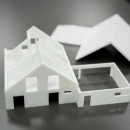

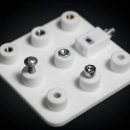

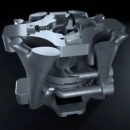

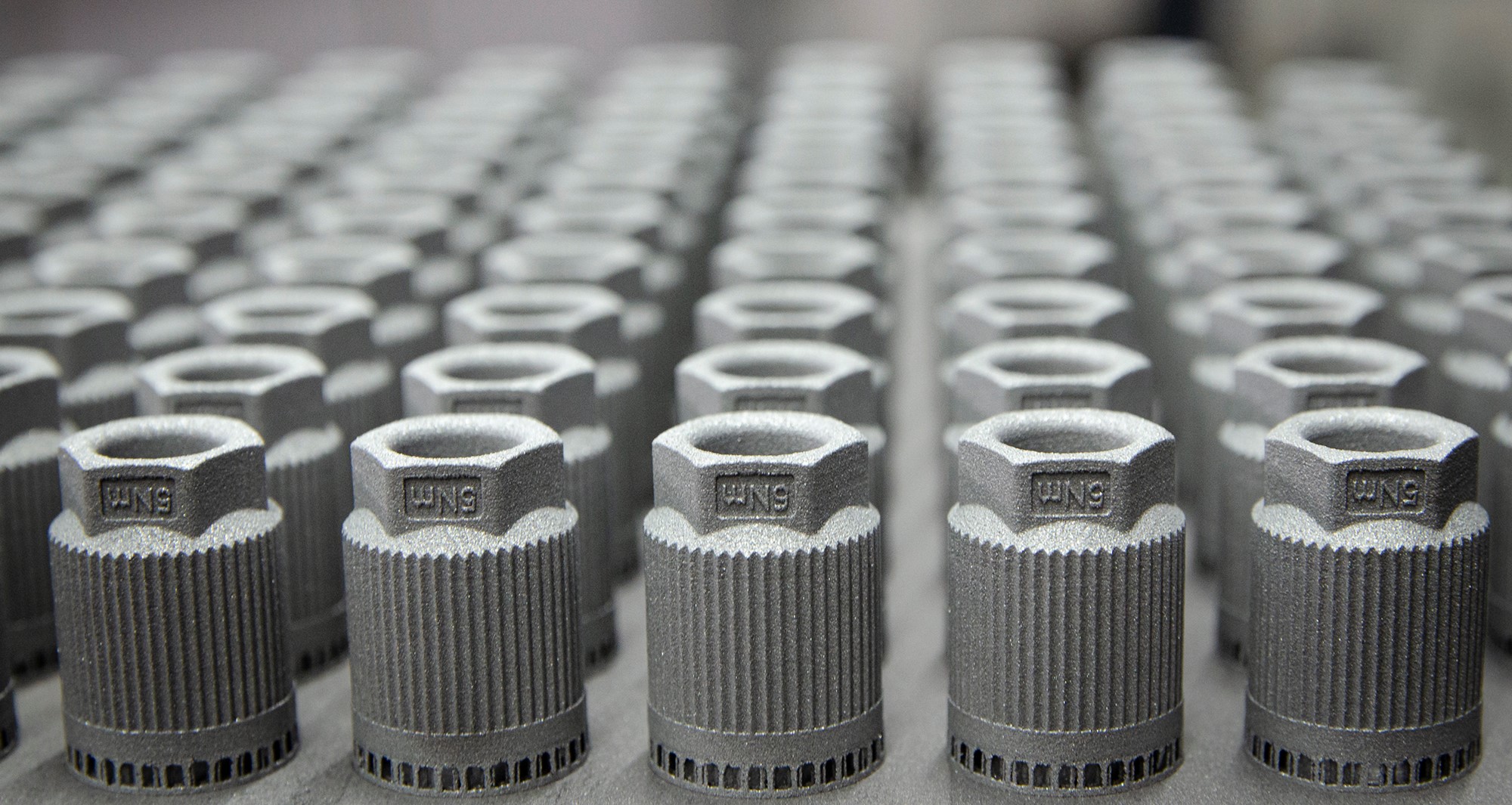
Additive series production: series parts from 3D printing
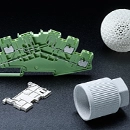
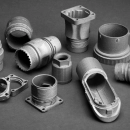
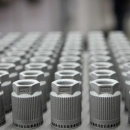
In additive series production, parts are produced by 3D printing not only as prototypes but in series – without molds, directly from the 3D data. This pays off above all for small to medium quantities, for parts with complex geometries or integrated functions, for variants and low-runners, and as a bridge until a series tool is ready.
PROTIQ itself manufactures by selective laser sintering and laser melting. On the PROTIQ Marketplace, you will also find more than 160 materials and more than 12 processes from more than 40 suppliers – and you choose for yourself where your series is produced. For series projects, we also offer individually selectable inspection methods.

When is it worthwhile?
What is additive series production – and when is it worthwhile?
Additive series production refers to the industrial production of parts in series by 3D printing. Because no mold is required, production remains cost-effective even with small and fluctuating batch sizes.
For a long time, additive manufacturing was mainly used in prototyping. Thanks to technological progress and growing demand for customized or specialized parts, companies today increasingly produce entire product series additively – among others in mechanical and plant engineering, in electrical engineering and in medical technology.
- Small and medium series for which a mold is not worthwhile
- Variants and customized parts without extra effort per variant
- Complex parts with integrated functions, lightweight structures or internal channels
- Series ramp-up and bridging until the series tool is ready
- Low-runners and spare parts on demand instead of in stock
Additive series production or injection molding?
| Additive series production | Injection molding / die casting | |
|---|---|---|
| Tooling | Not required | Mold required |
| Cost-effective for | Small to medium quantities, variants, low-runners | Large quantities |
| Start of production | Directly after release of the 3D data | Only after the tool has been built |
| Design changes | At any time in the 3D model | Tool modification required |
| Geometry | Almost unrestricted, including internal structures | Limited by demoldability |
For large quantities of simple parts, injection molding is usually more economical – you will also find it on the PROTIQ Marketplace.
Advantages
What are the advantages of additive series production?
3D printing produces almost any geometry without molds. This gives designers great freedom and makes the series flexible.
From batch size 1
Without a mold, tooling costs and lead time are eliminated – cost-effective even with small and changing batch sizes.
Design freedom
Parts can be redesigned based on their ideal basic shape – with lightweight design, function integration and fewer individual parts.
Flexible changes
Design changes are made directly in the 3D model – without tool modifications or long changeover times.
Resource-efficient
Material is only built up where it is needed – with significantly less waste than machining.
Processes & materials
Which processes and materials are suitable for series production?
Among the most widely used processes for additive series production in industry are selective laser sintering for plastic and selective laser melting for metal.
- Selective laser sintering (SLS): resilient plastic parts such as housings, brackets, adapters and fixtures, for example made of PA12 or electrically dissipative PA11 ESD.
- Multi Jet Fusion: another powder-based process for plastic parts in series.
- Selective laser melting (SLM): metal parts made of aluminum, steel, copper and other metals.
- Zamak 5: small series made of the zinc die-casting material – without a die-casting tool.
You can find further materials in the Material Finder.
↑ Back to overview
How is quality assured in additive series production?
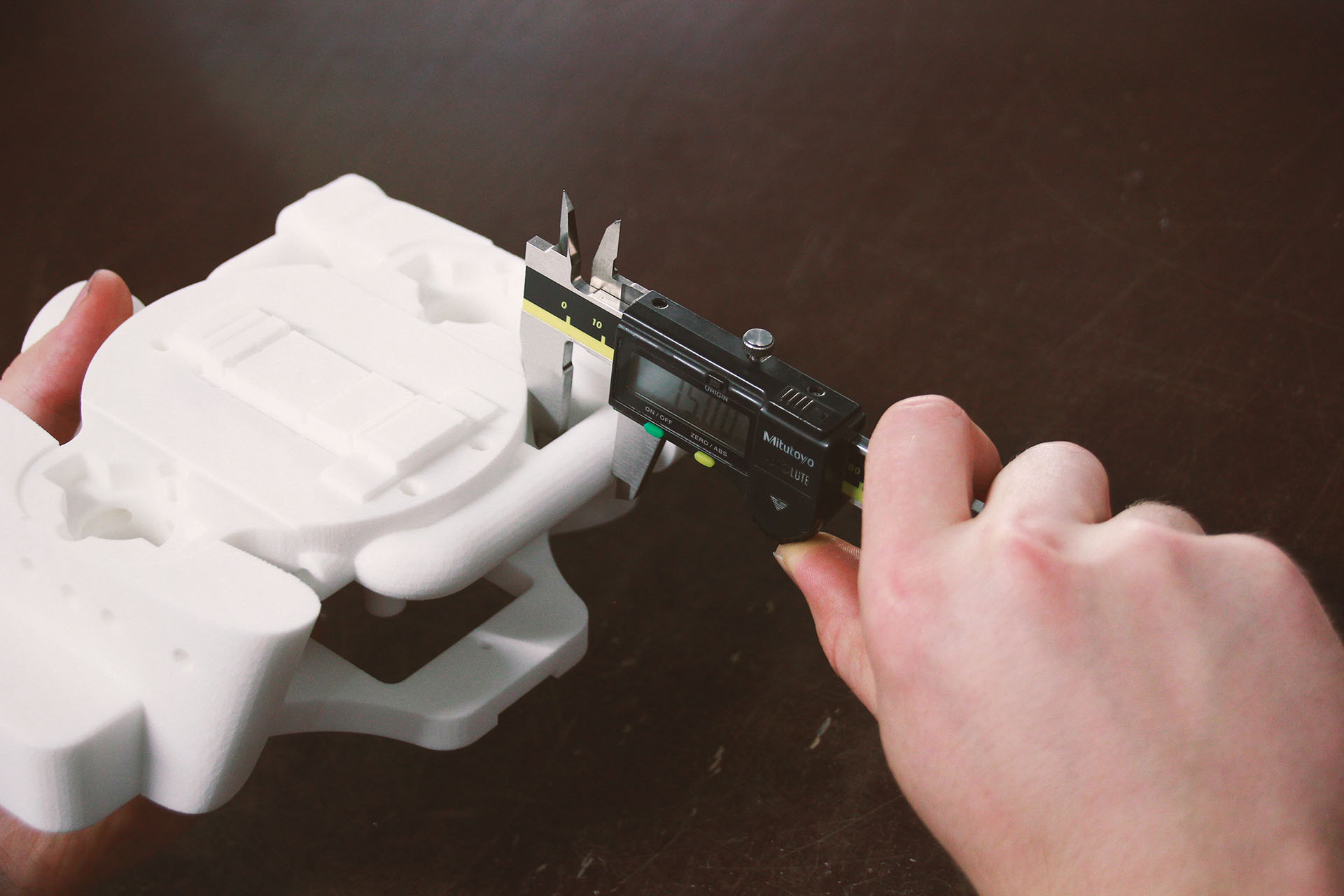
So that you can rely on the quality of your series parts, we offer individually selectable inspection methods – before the start and during series production.
| Characteristic | Method |
|---|---|
| Part density | Archimedes method based on DIN EN ISO 3369 (impermeable sintered metal materials and hardmetals) |
| Hardness | Vickers according to DIN EN ISO 6507, Shore according to DIN EN ISO 868 (rubber, plastic, metals) |
| Static strength | Tensile test according to DIN EN ISO 6892 (metals) and DIN EN ISO 527 (plastics) |
| Surface roughness | Stylus method according to DIN EN ISO 4287 |
| Dimensional accuracy | Computed tomography (CT) |
| Microstructure | Metallographic examination with micrographs |
In the ordering process, you can choose from various inspection methods. For individual inspection methods specifically for your application, write to us at service@protiq.com.
Reproducible quality in series production
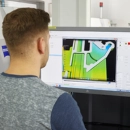
In series production, what matters is that every part has the same properties. This is based on qualified materials, established manufacturing processes and defined inspections. Computed tomography can also detect dimensional deviations and defects, even inside complex parts.
↑ Back to overviewProcedure
How does an additive series project work?
You plan the individual steps together with our 3D printing experts – from the requirements to the release of the series.
- Define requirementsFunction, working environment, ambient parameters and specific requirements for the part.
- Specify tolerances and finishingDimensional tolerances as well as the desired finishing and post-processing.
- Choose inspection methodsWhich characteristics are checked before the start and during the series.
- Produce the seriesAfter release, production starts – also in recurring call-offs.
Request an individual quote now
↑ Back to overviewMarketplace
Sourcing series parts via the PROTIQ Marketplace
Upload your 3D data in the configurator, choose material and quantity and compare the suppliers’ offers with price and delivery time. You decide for yourself where to order.
- Save and share your cart: configured carts can be saved and passed on to colleagues or purchasing – practical for recurring orders.
- Binding PDF quote: create a binding quote as a PDF from the cart, for internal approval, for example.
- PROTIQ Purchase: source parts from different suppliers and still have only one contractual partner – the invoice comes from PROTIQ.
- Project inquiry: for larger series projects, start a project inquiry.

FAQ
Frequently asked questions about additive series production
What is additive series production?
Additive series production is the industrial production of parts in series by 3D printing – without molds, directly from the 3D data.
From what quantity is 3D printing worthwhile in series production?
3D printing is cost-effective from a single part because no mold is required. It is particularly worthwhile for small to medium quantities, variants and fluctuating batch sizes. For large quantities of simple parts, injection molding is usually cheaper.
Which products is series production with 3D printing suitable for?
Especially for functional parts, housings, brackets, adapters, fixtures and complex components where design freedom, weight optimization or integrated functions are required.
Which processes are used for additive series production?
Mainly selective laser sintering (SLS) and Multi Jet Fusion for plastic and selective laser melting (SLM) for metal.
What are the advantages of additive series production over conventional processes?
No tooling costs, short lead times, high design freedom and quick implementation of design changes directly in the digital model – without tool modifications or long changeover times.
How does PROTIQ ensure quality in additive series production?
With qualified materials, established manufacturing processes and individually selectable inspection methods – for example for part density, hardness, strength, surface roughness, dimensional accuracy by CT and microstructure.
Can I reorder 3D-printed series parts?
Yes. Because the parts are produced directly from the 3D data, they can be reproduced at any time. Saved carts make recurring orders easier.
How do I start a series project?
Upload your 3D data in the configurator or start a project inquiry. Together we define requirements, tolerances, finishing and inspection methods.
↑ Back to overview