


 Deutsch
 English
 Italiano
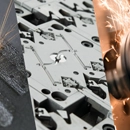
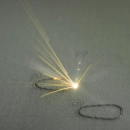
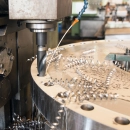
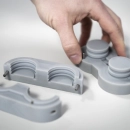
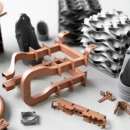
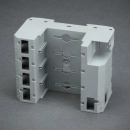
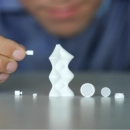

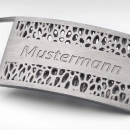

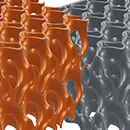

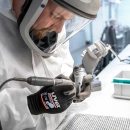
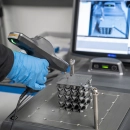
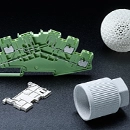
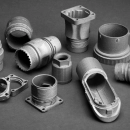
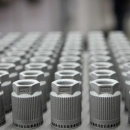
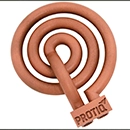
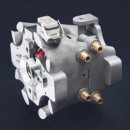




3D-printed spare parts when the original part is unavailable
Has a technical component failed, and the original part is no longer available or subject to significant delays? With industrial 3D printing, we manufacture precise replacement parts on demand, often much faster than conventional processes.
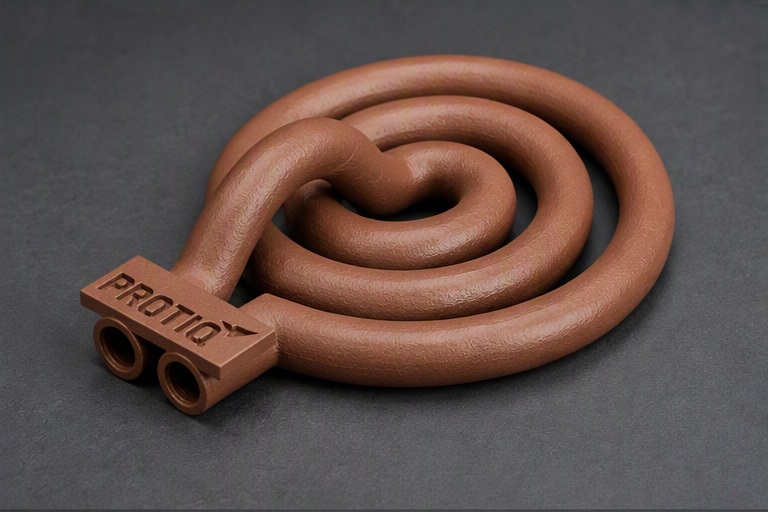
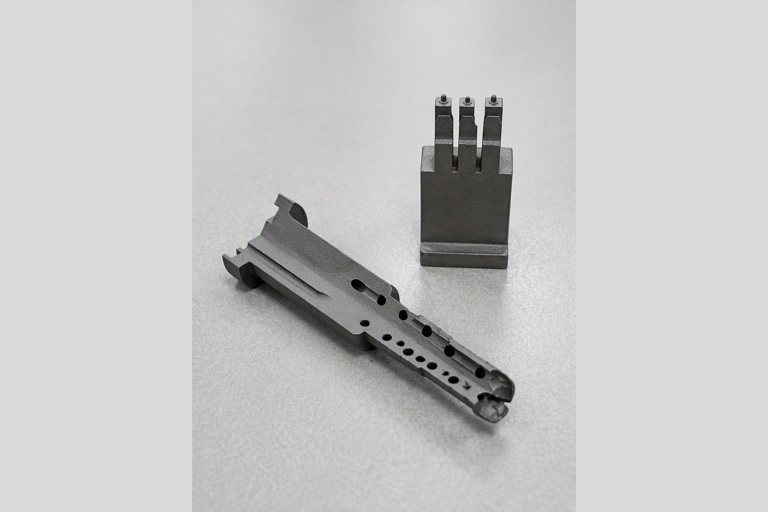
What are 3D-printed spare parts?
3D-printed spare parts are manufactured additively from digital data. They are particularly useful when original parts are no longer available or have long lead times, whether as one-off parts or in small batches.
Maintaining and repairing technical equipment, machinery or vehicles is often hampered by missing spare parts or parts that are only available at high prices. Preserving the original appearance is particularly important for older models. This is where additive manufacturing comes in, better known as 3D printing: instead of long waits or extensive searches, we manufacture the required component directly from digital data, even if the original is no longer produced.
The data is created through a 3D scan of the original part or by designing a model in CAD software. This enables faithful reproductions or customised components with improved functionality, fit or design. Whether it is a mechanical component, an interior detail or a complex housing, production is independent of series manufacturing and stock levels.
How we create your 3D-printed spare part
From a damaged or missing component to a ready-to-install spare part in five steps, even when the original design data is no longer available.
-
01
Capture
We digitise the original part using computed tomography (CT) and create a precise 3D model.
-
02
Design
Alternatively, we design the component in CAD, either as a faithful reproduction or with improved functionality, fit or appearance.
-
03
Check
Before production, the file is checked for printability: a closed surface without holes and sufficient wall thickness.
-
04
Manufacture
Plastic parts are produced using selective laser sintering (SLS), while metal parts are produced using selective laser melting (SLM).
-
05
Finish
Plastic parts can be dyed or painted as required; metal parts can be tumble-finished, polished or coated.
Which approach is right for your spare part?
Answer up to two short questions to find your next step, from uploading a file directly to digitising a part using CT.
- 1 · Data
- 2 · Material
- 3 · Recommendation
What do you have available for your spare part?
Please select one option.
Is the original part made from a single material?
For CT digitisation, the component must be made from a homogeneous material.
Upload your file and compare quotes
Upload your 3D file to compare suitable materials and processes immediately. Our design guidelines help you prepare the file for additive manufacturing.
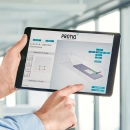
Configure your gear directly online
Use the gear configurator to specify a custom gear in just a few clicks and submit it directly for 3D printing, without needing your own CAD data.
Digitise the original part with a CT scan
We scan your component using computed tomography and create suitable 3D data for additive manufacturing, including complex or internal structures.
Create 3D data through CAD design
If a component contains several materials, CT analysis cannot clearly distinguish between them. In this case, we create the 3D data for you as a CAD design, either as a faithful reproduction or an optimised version.
Applications and examples of 3D-printed spare parts
3D-printed spare parts are used in industry, vehicles and everyday life, wherever original parts are difficult to obtain or have long lead times.
Industry
Spare part availability is crucial to operational reliability and productivity. Sourcing original components is often difficult or time-consuming, particularly for older machinery or specialised equipment.
- Seals and spacers
- Brackets and adapters
- Housing parts and covers
- Connecting elements
- Guide rails and rollers
- Gears and bearing housings
Vehicles
Whether for modern vehicles or classic cars, spare parts are often difficult to source or have long lead times. Additive manufacturing enables the rapid reproduction of precisely fitting components, including one-off parts.
- Replicas of bonnet ornaments and emblems
- Interior parts and trim
- Housings and covers
- Connecting elements
- Air and exhaust components
- Mounts for lighting and accessories
Home & everyday life
Broken or lost parts from household appliances, furniture or garden equipment can be reproduced easily, often with greater strength or functionality than the original.
- Handles and knobs
- Brackets and clips
- Housing parts
- Covers and trim
- Connecting elements
- Spare parts for household appliances
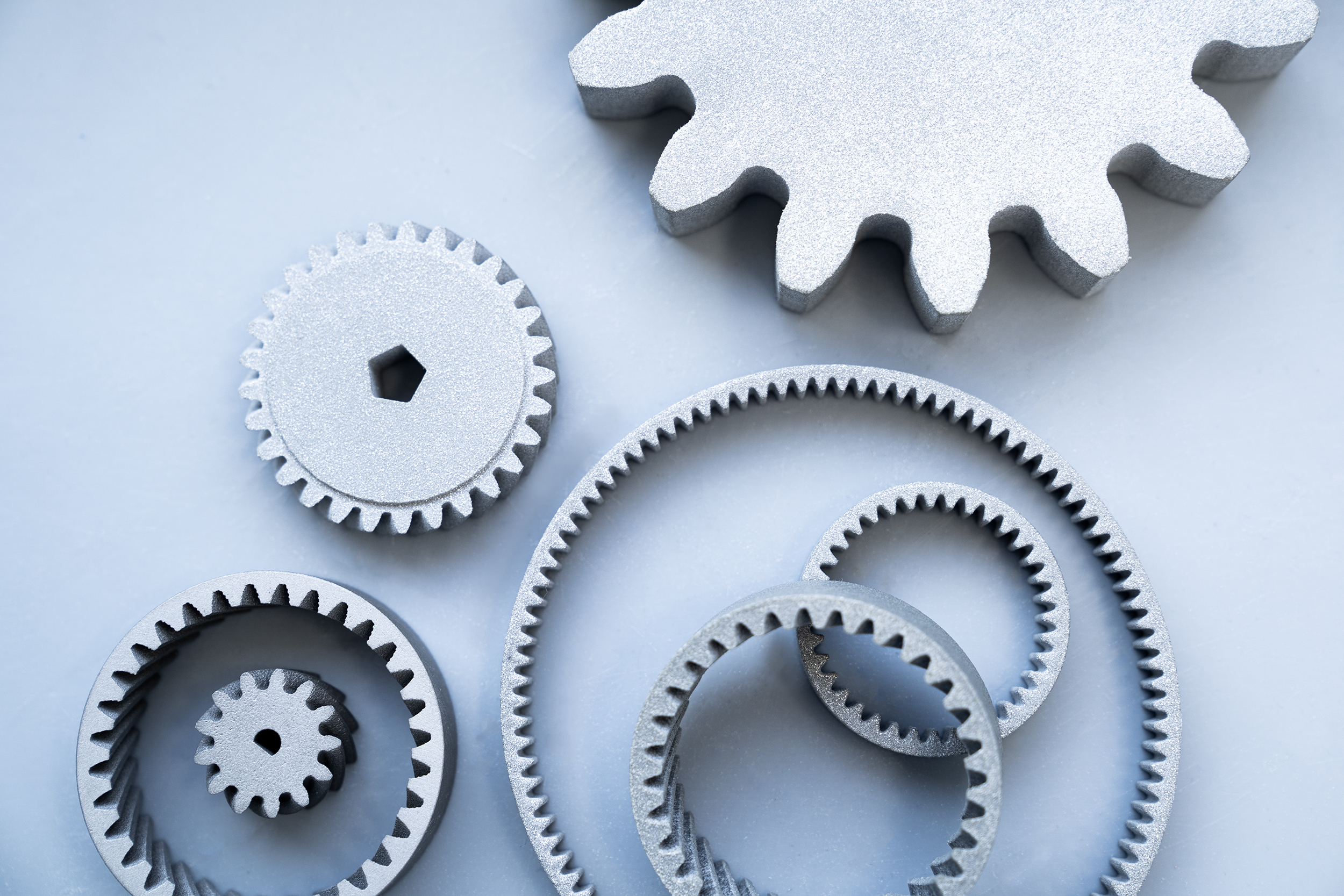
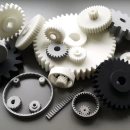
Configure replacement plastic gears
Suitable replacement gears are often no longer available, especially for older equipment. With the PROTIQ gear configurator, you can specify a custom gear in just a few clicks and submit it directly for 3D printing.
Size, tooth profile, material and orientation vary depending on the application. With Rapid Manufacturing, this provides a cost-effective solution for spare parts supply:
- Production from a single part
- No dedicated tooling as required for injection moulding
- Manufactured directly from digital CAD data
- Produced and delivered within a few days
From object to 3D model: how is the data for a spare part created?
A digital 3D model is required for 3D printing. It can be created through CAD design, intuitive modelling or digitisation of the original part. PROTIQ offers data creation and digitisation as services.
CAD design
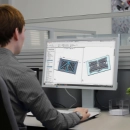
The component is designed in a CAD program. These programs are often complex and require technical expertise, so we can handle the design for you.
Sculpting-based modelling
User-friendly software makes it easier to get started: the desired object is modelled intuitively from a basic shape, with details added step by step.
3D scanning using computed tomography
Existing components are digitised precisely, even when the design data is no longer available. This creates accurate replicas that can be used directly for printing.
Digitising spare parts: precise 3D data using computed tomography
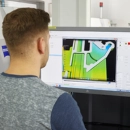
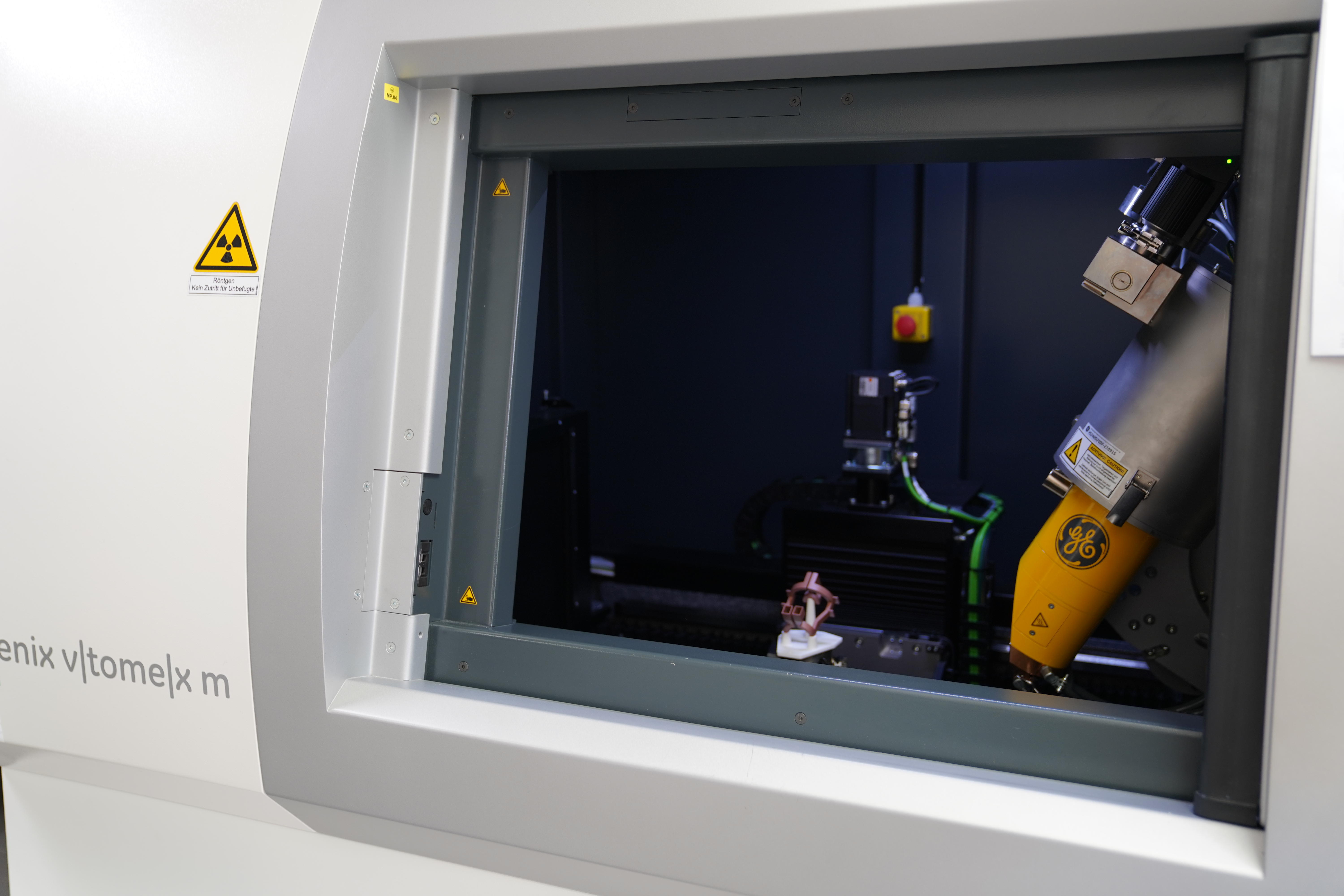
Computed tomography (CT) generates high-quality 3D data for spare parts that are difficult to source or no longer manufactured. The component is placed on a turntable in the CT scanner and X-rayed from different angles. A reconstruction process combines the individual images into a precise three-dimensional model.
This method is particularly suitable for complex or internal structures where conventional measurement methods reach their limits. Dimensional deviations, defects and geometric details are captured reliably.
Requirement: The object must be made from a homogeneous material. If materials are combined, CT analysis cannot clearly distinguish between them. In that case, we create the data through CAD design.
A wide range of materials for functional, durable spare parts
Plastic components made using selective laser sintering (SLS) and metal components made using selective laser melting (SLM) are particularly suitable for functional spare parts. Both processes use a laser to fuse fine powder layer by layer, producing precise, durable components.
These components offer high mechanical strength and durability for industrial use as well as demanding everyday applications. Special materials also enable heat-resistant or flexible spare parts tailored to their intended use.
Plastic
Produced using SLS; can be dyed or painted afterwards.Metal
Produced using SLM; can be tumble-finished, polished or coated.Glass
A special material for specific requirements.Ceramic
A special material, for example for heat-resistant components.Rubber-like materials
For flexible spare parts.Keep spare parts available for the long term with a digital twin
A digital twin is a complete three-dimensional model of a component. It helps secure long-term spare part availability, independently of physical stock or supply chains. Critical components are archived digitally and can be reproduced on demand, including parts for machinery and equipment that have long been out of production.
Reduce storage costs
The digital twin replaces physical spare parts inventory.
Improve supply security
Spare parts remain available even when supply chains are disrupted.
Reproduce parts flexibly
Manufacture components in different Materials or variants to suit your requirements.
Discuss your spare parts project
For technical questions, customised manufacturing solutions and demanding projects, our sales team offers extensive experience in additive manufacturing, from the initial idea through to successful implementation.
+49 5235 34 38 00 (Customer service)
PROTIQ GmbH · A Phoenix Contact Company
Flachsmarktstraße 54 · 32825 Blomberg
Frequently asked questions about 3D-printed spare parts
What are 3D-printed spare parts?
3D-printed spare parts are manufactured additively from digital data. They are particularly useful when original parts are no longer available or have long lead times, enabling precise, on-demand reproduction of individual components.
What are the benefits of 3D printing for spare parts?
3D printing enables fast, flexible and cost-effective spare part production, including one-off parts and small batches. Components can be reproduced faithfully or optimised for functionality, fit or design.
Which applications are suitable for 3D-printed spare parts?
3D-printed spare parts are used in industry, mechanical engineering, vehicles and everyday household applications, particularly for older equipment, specialised machinery or vehicles for which standard spare parts are no longer available.
How is the data for 3D-printed spare parts created?
The 3D data is created either by CT-based 3D scanning of the original part or by designing a CAD model. PROTIQ offers both as services. The resulting data enables the manufacture of precise, well-fitting spare parts.
What if no CAD data is available?
Even without CAD data, a spare part can be digitised using computed tomography and prepared for additive manufacturing. The component must be made from a homogeneous material. If this is not the case, PROTIQ creates the 3D data through CAD design.
Which materials are suitable for 3D-printed spare parts?
Plastics processed using selective laser sintering (SLS) and metals processed using selective laser melting (SLM) are particularly suitable for functional spare parts. Special materials such as glass, ceramic and rubber-like materials can also be processed.
Why is 3D printing particularly suitable for custom spare parts?
With no tooling or inventory required, spare parts can be manufactured independently of series production, starting from a single part. This makes 3D printing particularly flexible for repairs, maintenance and extending product service life.
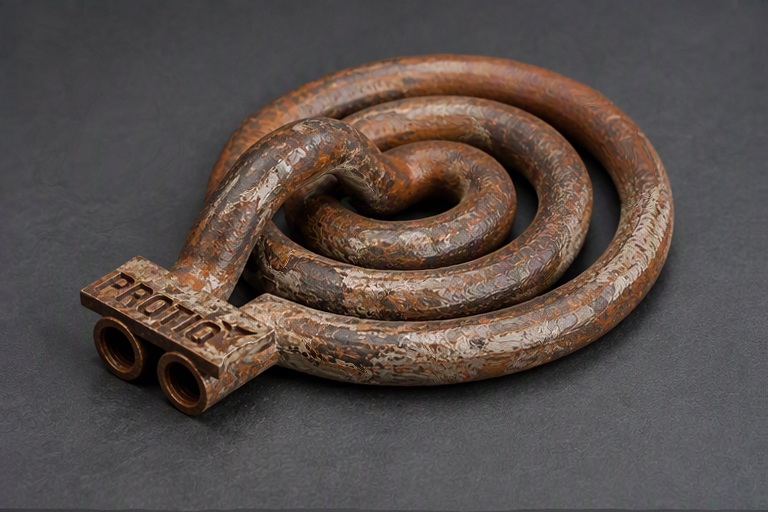
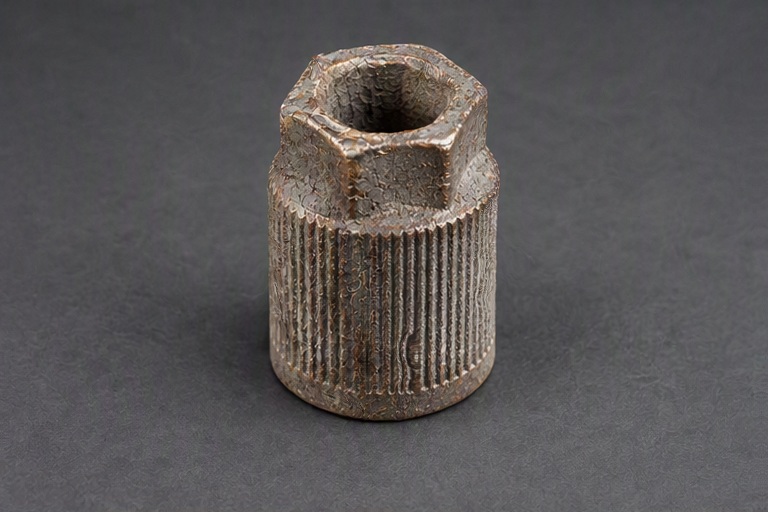
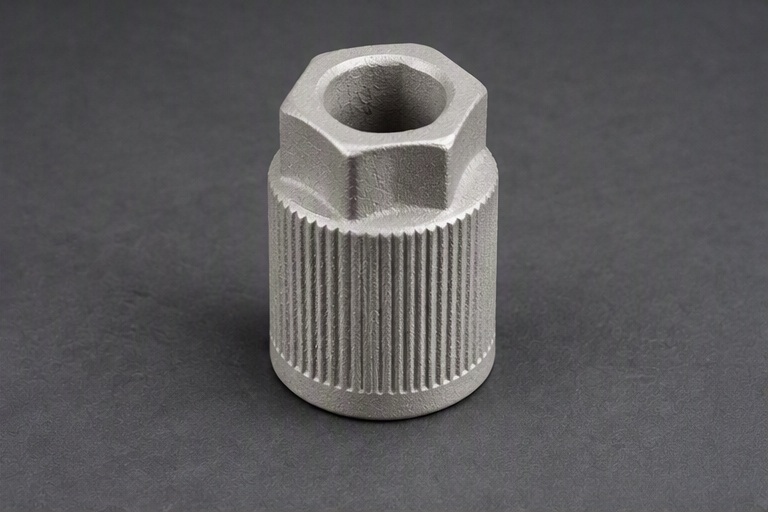
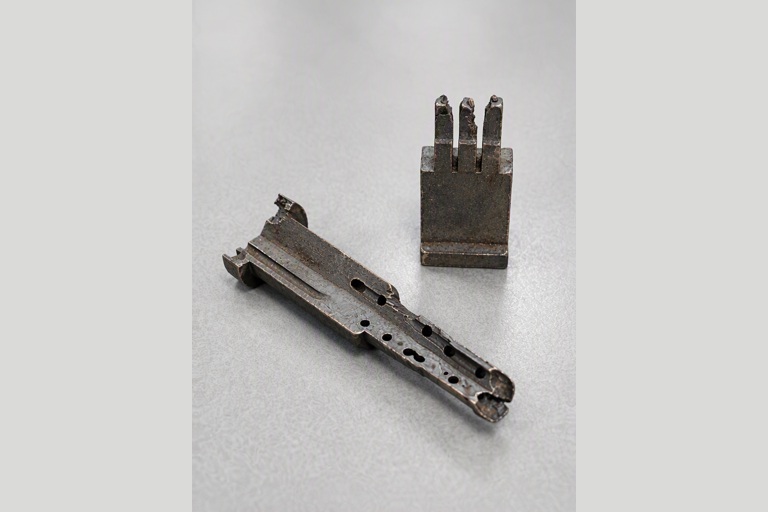
Note: the images in the before-and-after comparison are AI-edited illustrations.