


 Deutsch
 English
 Italiano

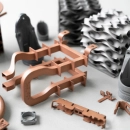
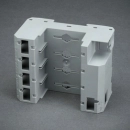
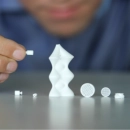
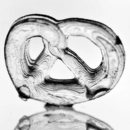









3D Printing for Data Centers: More Efficient Cooling and Rapidly Available Components
Hyperscale Data Centers: Cooling and Efficiency Challenges
Data centers form the foundation of our digital society. Hyperscale data centers containing several thousand servers are growing particularly rapidly, driven by cloud services, artificial intelligence (AI), and high-performance computing (HPC). As computing power increases, so do the requirements for energy efficiency, heat dissipation, and advanced cooling technologies.
In many data centers, cooling the IT infrastructure already accounts for around 33 to 40% of energy consumption. At the same time, the power densities of modern processors and AI accelerators continue to increase. As a result, new concepts such as liquid cooling, direct liquid cooling (DLC), and immersion cooling are becoming increasingly important.
In light of these developments, conventional air cooling and conventionally manufactured components are increasingly reaching their limits. Additive manufacturing opens up new possibilities for high-performance heat sinks, optimized cooling channels, heat exchangers, and other thermal management components for modern data centers.
Additive Manufacturing as a Solution for Data Centers
Modern data centers face the challenge of combining increasing performance requirements with high energy efficiency, reliable infrastructure, and short innovation cycles. Additive manufacturing offers new possibilities in this area. The extensive design freedom of 3D printing makes it possible to develop and manufacture components that would be difficult or impossible to produce using conventional processes.
Particularly in data center cooling, the technology enables optimized heat sinks, heat exchangers, and cooling channels for more efficient heat dissipation. Operators also benefit from rapidly available spare parts, customized infrastructure components, and accelerated development and production processes.
Additive manufacturing also opens up new possibilities for optimizing airflow systems, brackets, housing components, and flow guides, allowing existing systems to be adapted to specific requirements. On-demand manufacturing can also reduce inventory levels and enable components to be produced economically in small quantities.
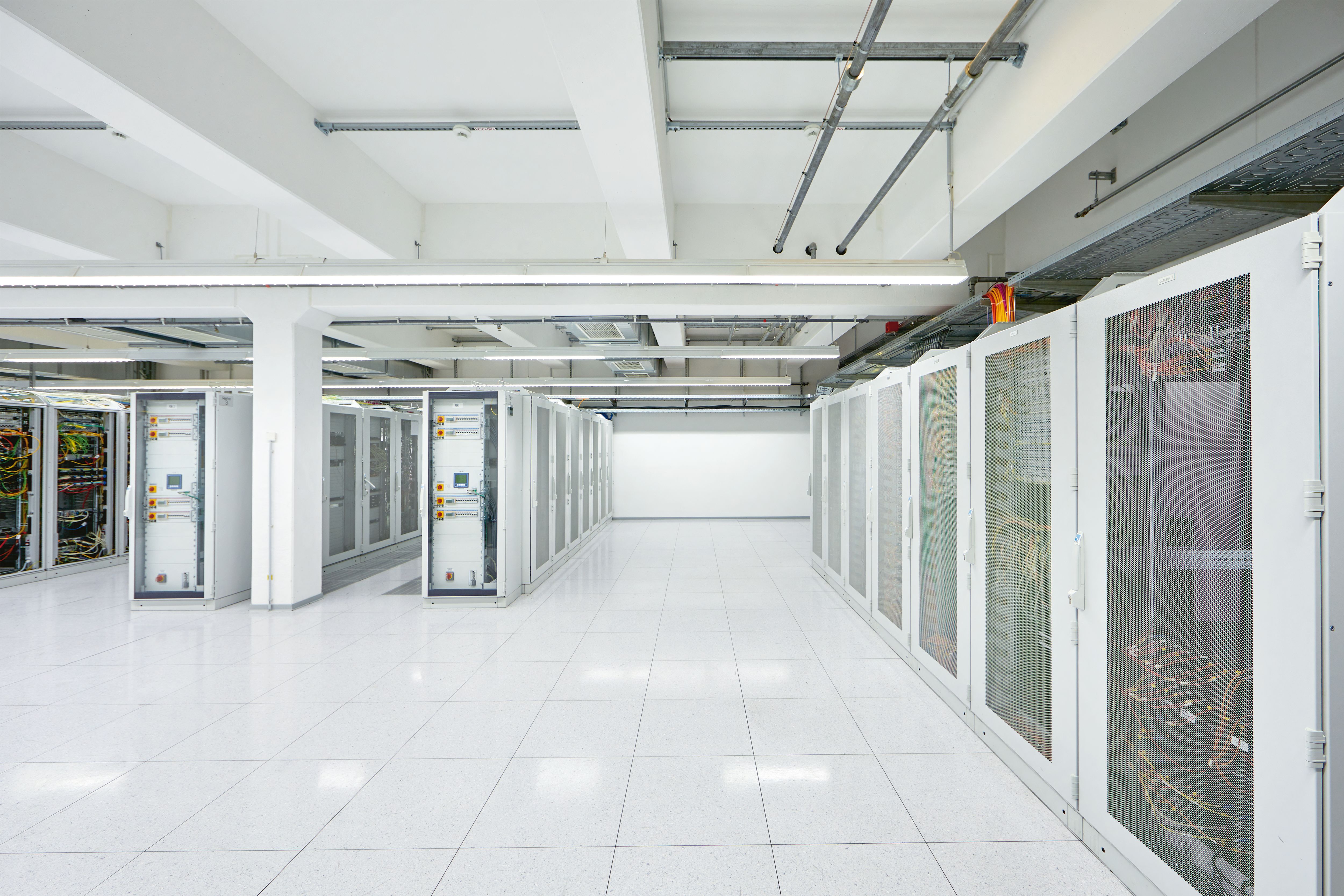
More Efficient Cooling Through Additive Manufacturing
Cooling is one of the greatest challenges facing modern data centers. As the power densities of processors, AI accelerators, and servers increase, so does the thermal load that must be dissipated safely and energy-efficiently. Additive manufacturing opens up new possibilities because it enables geometries that are difficult or impossible to achieve using conventional manufacturing processes. Heat sinks, heat exchangers, and cooling channels can therefore be tailored to the requirements of modern cooling systems.
Additively Manufactured Heat Sinks
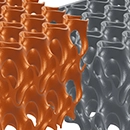
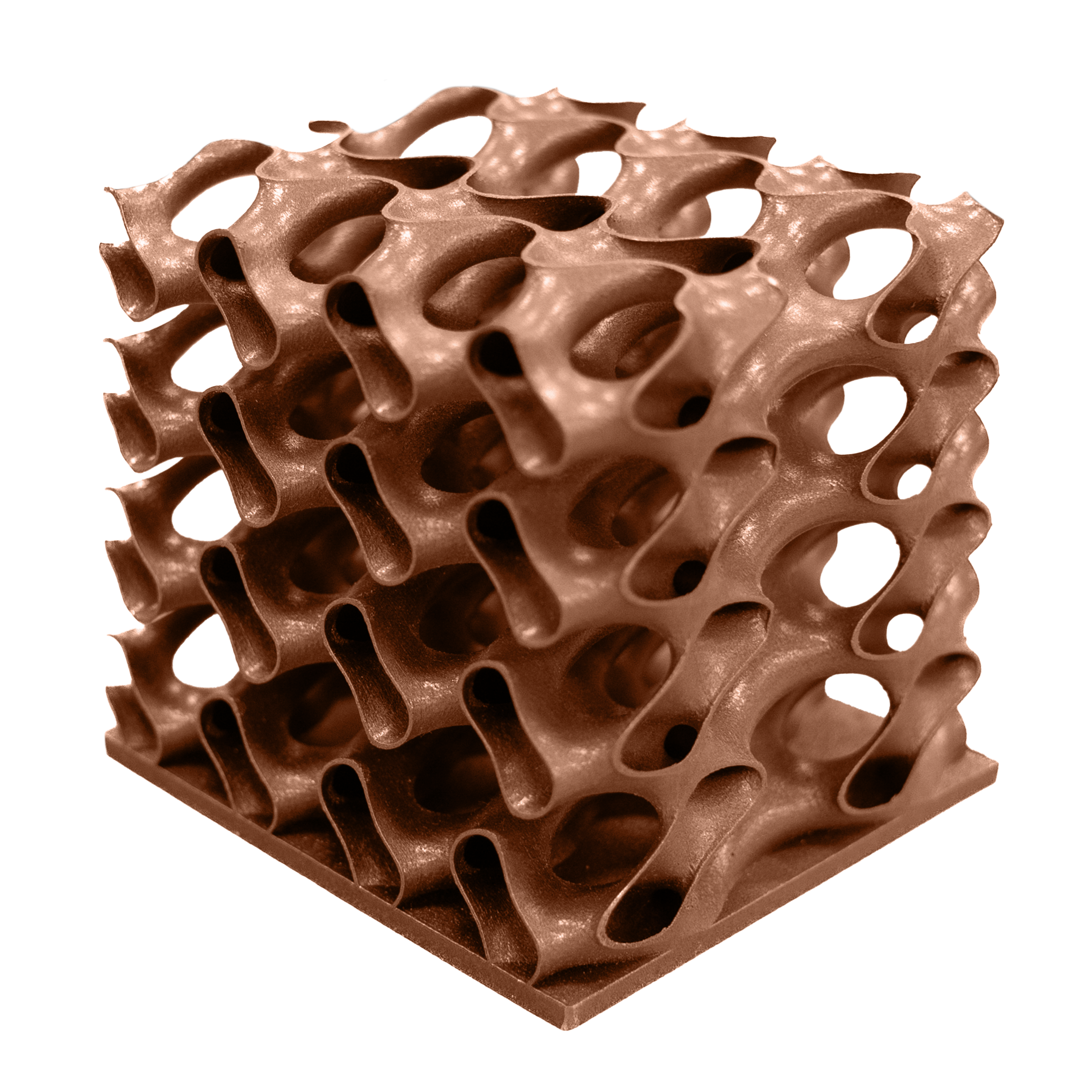
Heat sinks play a central role in dissipating heat from servers, storage systems, and network equipment. Additive manufacturing makes it possible to produce geometries that would be difficult or impossible to manufacture using conventional processes. Examples include intricate lattice structures, complex fin designs, and organically optimized cooling surfaces. The larger surface area can improve heat transfer and contribute to more efficient cooling. In combination with highly thermally conductive materials such as copper, 3D printing opens up new possibilities for high-performance heat sinks in modern data centers.
Heat Exchangers with Optimized Flow Paths
Heat exchangers are key components in modern cooling systems. Additive manufacturing enables flow channels and internal structures that can be specifically designed for uniform heat transfer and reduced pressure drop. This makes it possible to produce compact, high-performance heat exchangers that require less installation space at a comparable performance level or reduce component weight. Additively manufactured heat exchangers offer particularly promising potential for applications with high power densities.
Cold Plates for Liquid Cooling
Modern processors, GPUs, and AI accelerators generate ever-higher thermal loads in increasingly compact spaces. Conventional air cooling is increasingly reaching physical limits, which is why liquid cooling directly at the component is gaining importance. Cold plates transfer heat from the electronics to the coolant as efficiently as possible. Additive manufacturing opens up new possibilities for these components because complex cooling channels can be integrated directly into the cold plate. This allows the coolant to be routed specifically to areas with the highest heat generation, providing additional design freedom when developing customized cooling concepts for servers, AI accelerators, and other high-performance applications.
3D printing also enables internal structures that are extremely difficult to produce by milling or drilling. These include branched channel networks, lattice structures, and topology-optimized cooling geometries. The aim of these designs is to transfer heat from the component to the coolant as efficiently as possible while reducing flow resistance within the cold plate.
In modern AI and high-performance computing applications, cooling performance is not the only important factor. Pressure drop within the cooling system is equally relevant. If the coolant must be pumped through the cooling structure at high pressure, the pumps require more energy. Additively manufactured cold plates therefore make it possible to optimize heat transfer and fluid flow simultaneously. Research shows that appropriately optimized designs can improve cooling performance while significantly reducing pressure drop.
Benefits of 3D-Printed Cold Plates
- Freeform cooling channels instead of straight drilled holes
- Topology-optimized fluid flow
- Larger cooling surface within the same installation space
- Reduced pressure drop in the cooling system
- Functional integration within a single component
- Application-specific design
- Manufacturing of highly complex copper geometries
Especially for direct-to-chip cooling and liquid cooling in data centers, additive manufacturing opens up new possibilities for efficient heat dissipation while reducing installation space, weight, and assembly effort.
Airflow Management and Thermal Management
In addition to direct cooling, airflow management has a significant impact on a data center’s energy efficiency. Additive manufacturing can be used to tailor air ducts, flow guides, and custom rack management components to specific requirements. This allows airflow to be directed precisely and cooling concepts to be optimized. Multiple functions can also be combined within a single component, potentially reducing assembly effort and complexity. Efficient control of airflow and coolant flow is becoming increasingly important, particularly in data centers with high power densities. The extensive design freedom of 3D printing enables customized solutions for both existing infrastructure and new facilities. This can provide targeted support for cooling performance and optimize the thermal management of entire systems.
Custom solutions for data centers
Are you planning a cooling component, copper part, busbar, infrastructure component or spare part for your data center? We support you from the initial idea and component optimization through to additive manufacturing.

Power Distribution for High Power Densities
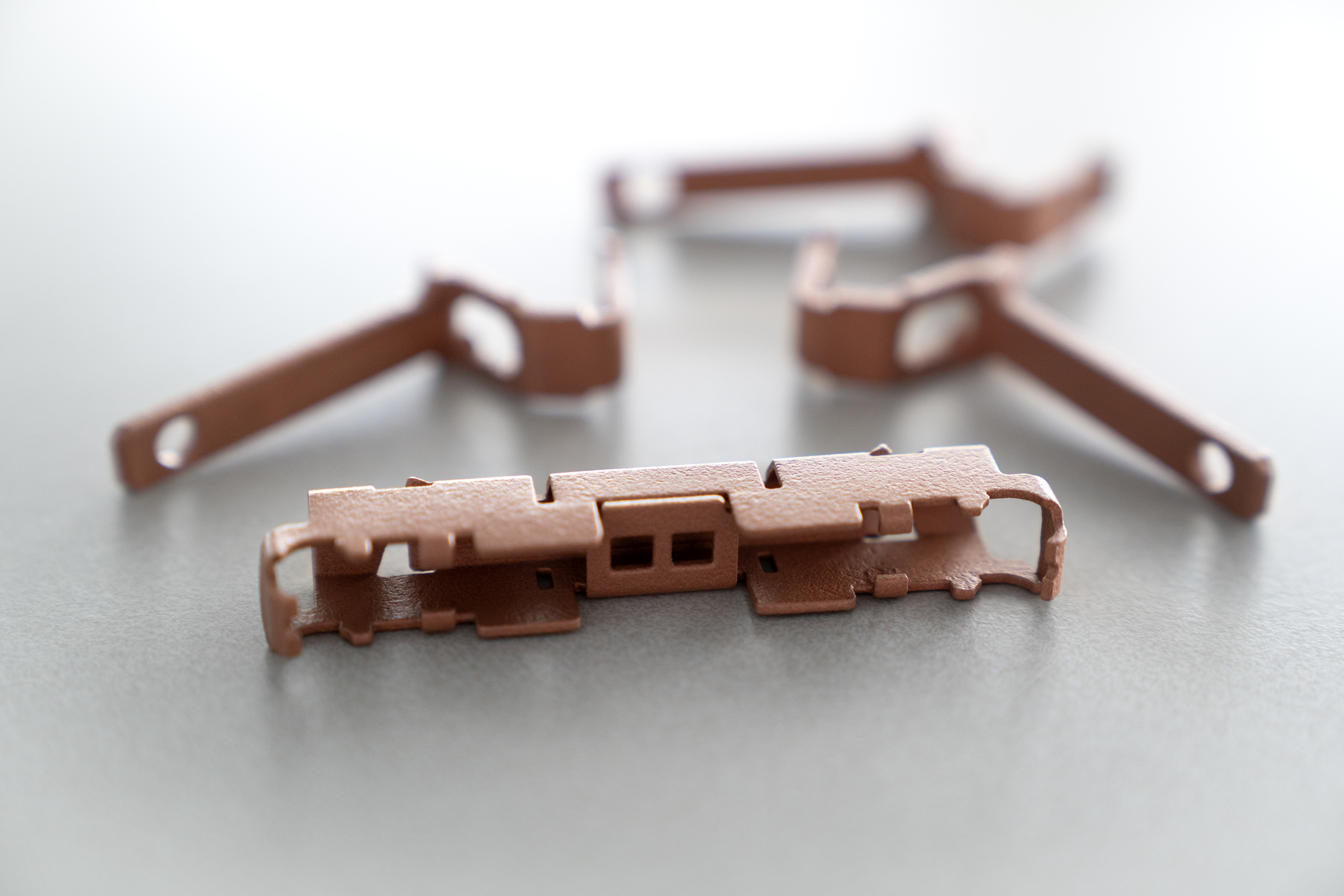
In addition to cooling, power supply presents modern data centers with new challenges. AI applications, high-performance computers, and powerful GPU clusters in particular require reliable power distribution while power densities continue to increase. Additive manufacturing opens up new possibilities for developing customized copper busbars, power distribution components, and electrical connectors.
The extensive design freedom of 3D printing allows components to be tailored to the available installation space and specific requirements. Complex geometries, integrated functions, and optimized component designs enable customized solutions for modern power distribution infrastructure in data centers. Additive manufacturing offers additional flexibility, particularly for prototypes, small series, and specialized infrastructure projects.
PROTIQ was the first company worldwide to successfully process pure copper using industrial 3D printing. This enables the production of highly conductive components for applications where electrical conductivity, customized geometries, and short development times are key priorities.
Custom Infrastructure and Functional Components
Modern data centers consist of a wide range of components that must work together optimally. Alongside cooling systems, brackets, housing elements, cable management solutions, and airflow components also play an important role. Additive manufacturing makes it possible to customize these components to the requirements of a facility and produce them economically, even in small quantities.
The extensive design freedom of 3D printing allows functions to be integrated directly into a component. Examples include brackets with integrated cable guides, flow guides that optimize airflow, and ready-to-install assemblies. This can reduce the number of components, assembly effort, and inventory requirements.
Additive manufacturing offers additional flexibility, particularly for upgrades, expansions, and specialized applications. Components can be developed specifically for existing rack systems, server enclosures, or technical infrastructure without requiring expensive tooling. This enables customized solutions to be implemented quickly and helps operators adapt their data centers efficiently to new requirements.
Spare Parts, Digital Warehousing, and Distributed Production
Component availability is crucial to the reliable operation of data centers. At the same time, many systems remain in use for long periods, meaning that individual spare parts, brackets, housing components, or specialized functional parts are often no longer commercially available after several years. Additive manufacturing makes it possible to reproduce such components on demand without high minimum order quantities.
For small batch sizes or discontinued components in particular, 3D printing can help reduce downtime and extend the service life of existing systems. Components stored as digital part data can be manufactured quickly when required, without the need for expensive tools or molds. This can reduce spare-parts inventories while maintaining short response times.
Digital warehousing offers an additional advantage. Instead of keeping physical spare parts in stock for many years, only the associated CAD data is stored. Required components can then be manufactured reproducibly on demand. This digital warehouse concept reduces storage costs and facilitates the long-term availability of critical infrastructure components.
Platforms such as the PROTIQ Marketplace already offer practical solutions for this purpose. Companies can store their projects and 3D models in their customer accounts, creating their own digital inventory. Required parts can be reordered in just a few clicks. This creates an efficient digital spare-parts strategy that reduces downtime risks and simplifies maintenance processes.
Data center operators rarely have in-house expertise in additive manufacturing. This makes a reliable partner with many years of experience, a deep understanding of the technology, and sound industry knowledge all the more important. PROTIQ supports customers throughout the component lifecycle, from design optimization and material selection to manufacturing and repeat orders.
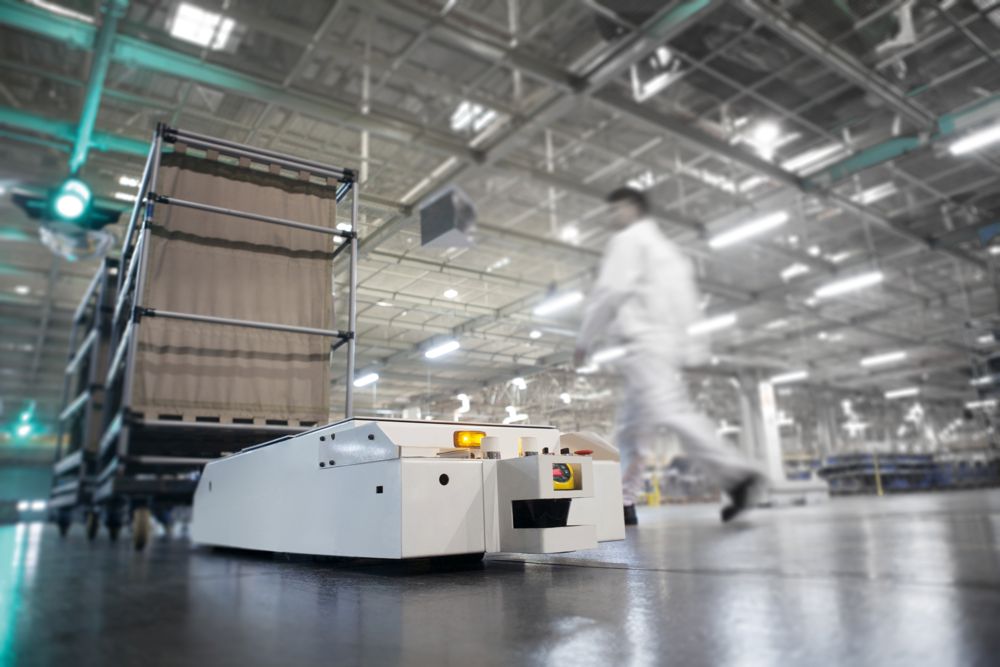
Data Centers Need Innovative Solutions
As hyperscale data centers, AI applications, and high-performance computing continue to grow, requirements for cooling, energy efficiency, and infrastructure are steadily increasing. Additive manufacturing opens up new possibilities for tailoring components to the needs of modern data centers. Particularly in data center cooling, 3D-printed heat sinks, heat exchangers, cold plates, and optimized cooling channels enable solutions that are difficult to achieve using conventional manufacturing processes.
In addition, 3D printing offers potential for airflow management, thermal management, power distribution, and customized infrastructure and spare-parts concepts. Its extensive design freedom makes it possible to develop functionally optimized components, integrate multiple functions into a single part, and tailor products to specific requirements. At the same time, development times can be shortened, inventories reduced, and components manufactured locally on demand.
Additive manufacturing is not a replacement for every conventional manufacturing process. Instead, it is a powerful complement wherever complex geometries, high power densities, short lead times, or customized solutions are required. It offers significant advantages particularly for data center cooling, innovative power distribution concepts, and the long-term availability of critical components.
As the 3D printing center of expertise within the Phoenix Contact Group, PROTIQ helps companies harness this potential effectively. From the initial concept and component development through to series production, this creates solutions for the data centers of tomorrow that are efficient, flexible, and tailored to the respective requirements.
Frequently Asked Questions About 3D Printing for Data Centers
How Can 3D Printing Improve Data Center Cooling?
3D printing enables heat sinks, heat exchangers, and cold plates with complex geometries and integrated cooling channels. This allows components to be tailored to the available installation space, heat source, and coolant. Additive manufacturing provides additional design freedom, particularly for liquid cooling and high-performance applications.
What Are Cold Plates?
Cold plates absorb heat directly from processors, GPUs, or other electronic components and transfer it to a coolant. Additive manufacturing allows cooling channels and flow paths to be tailored to the requirements of modern data centers.
Why Is Copper Frequently Used for Data Center Cooling?
Copper has very high thermal conductivity, making it particularly suitable for heat sinks, heat exchangers, and cold plates. 3D printing also makes it possible to produce complex cooling structures and internal channels that are difficult to achieve using conventional manufacturing processes.
Is Additive Manufacturing Suitable for Liquid Cooling and Direct Liquid Cooling?
Yes. Additive manufacturing is increasingly being used for liquid-cooling components. These include cold plates, heat exchangers, manifolds, and components with integrated cooling channels. The technology combines extensive design freedom with compact construction.
What Is Digital Warehousing?
With digital warehousing, components are stored as CAD data and manufactured on demand. This can reduce inventory levels and keep spare parts available over long periods.
Which Data Center Components Can Be 3D Printed?
Typical applications include heat sinks, heat exchangers, cold plates, airflow components, busbars, brackets, housing components, and spare parts. The technology is particularly suitable for customized components, complex geometries, and small quantities.
Can Busbars and Power Distribution Components Be Additively Manufactured?
Yes. Additive manufacturing enables the production of customized copper busbars and electrical connectors. This can offer advantages particularly for complex geometries, limited installation space, or specialized infrastructure projects.
How Does PROTIQ Support Data Center Projects?
PROTIQ supports customers from component development and material selection through to manufacturing. Key focus areas include cooling components, heat exchangers, copper components, busbars, and customized infrastructure components for modern data centers.