


 Deutsch
 English
 Italiano






3D printing in aerospace technology
The aerospace industry is at a turning point with the use of 3D printing technologies: This innovation is fundamentally changing the way aircraft and spacecraft are manufactured, as well as their performance and efficiency. It opens the door to complex, lightweight designs that were previously impossible to achieve using conventional manufacturing methods.The use of 3D printing in the aerospace industry is developing rapidly and opening up new possibilities for design, production and maintenance. Additive processes enable highly complex geometries, significant weight reductions and a more efficient use of materials. At the same time, questions about suitable high-performance materials, load limits and qualification processes are coming into focus. In addition to current applications, future development potential as well as technological and regulatory challenges that are accompanying the industry on its way into a new era of production will also become apparent.
Areas of application
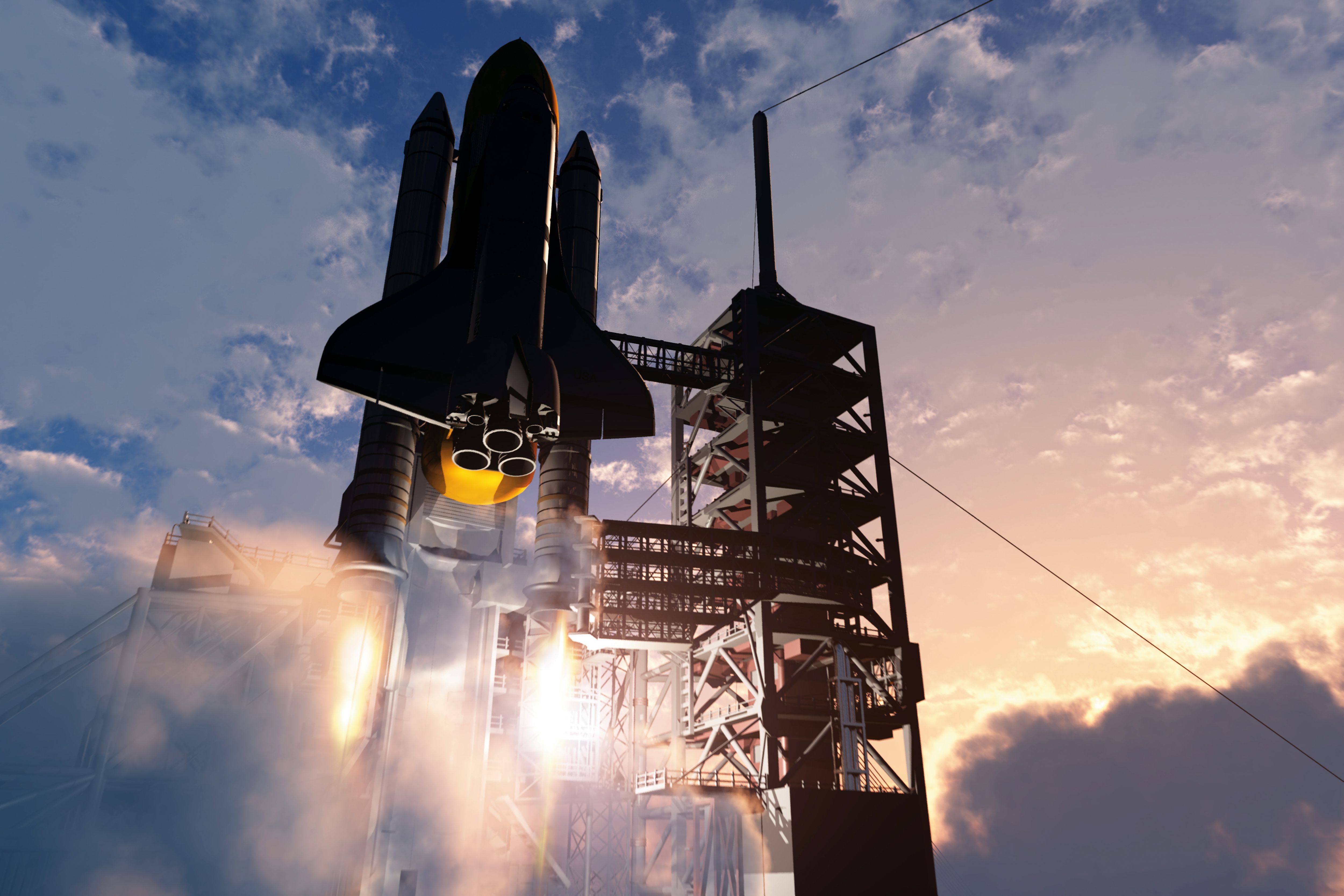
Space travel
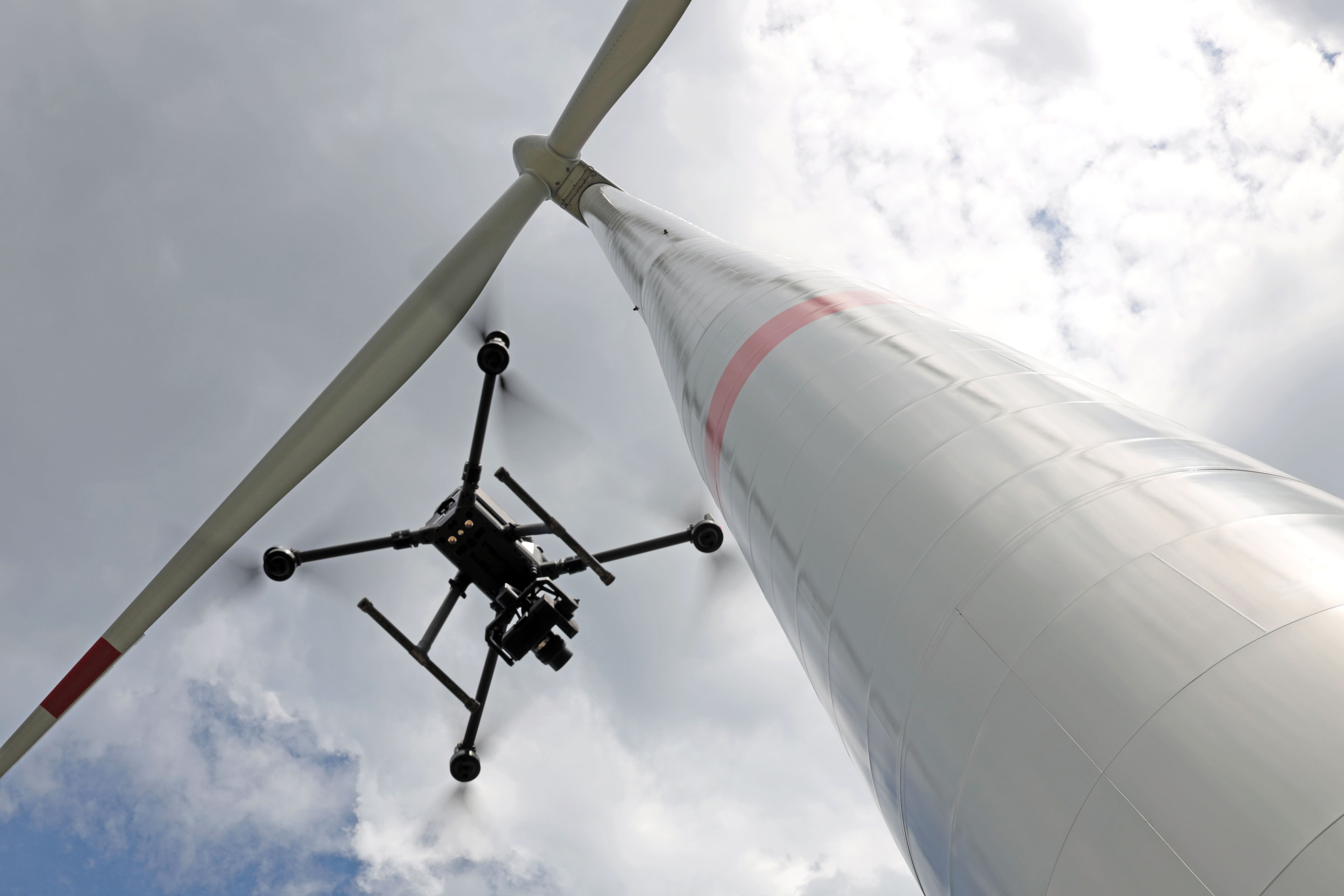
Drones
Modular designs
3D printing can be used to develop interchangeable and modular components that expand the application possibilities of drones and enable flexible and cost-effective maintenance.
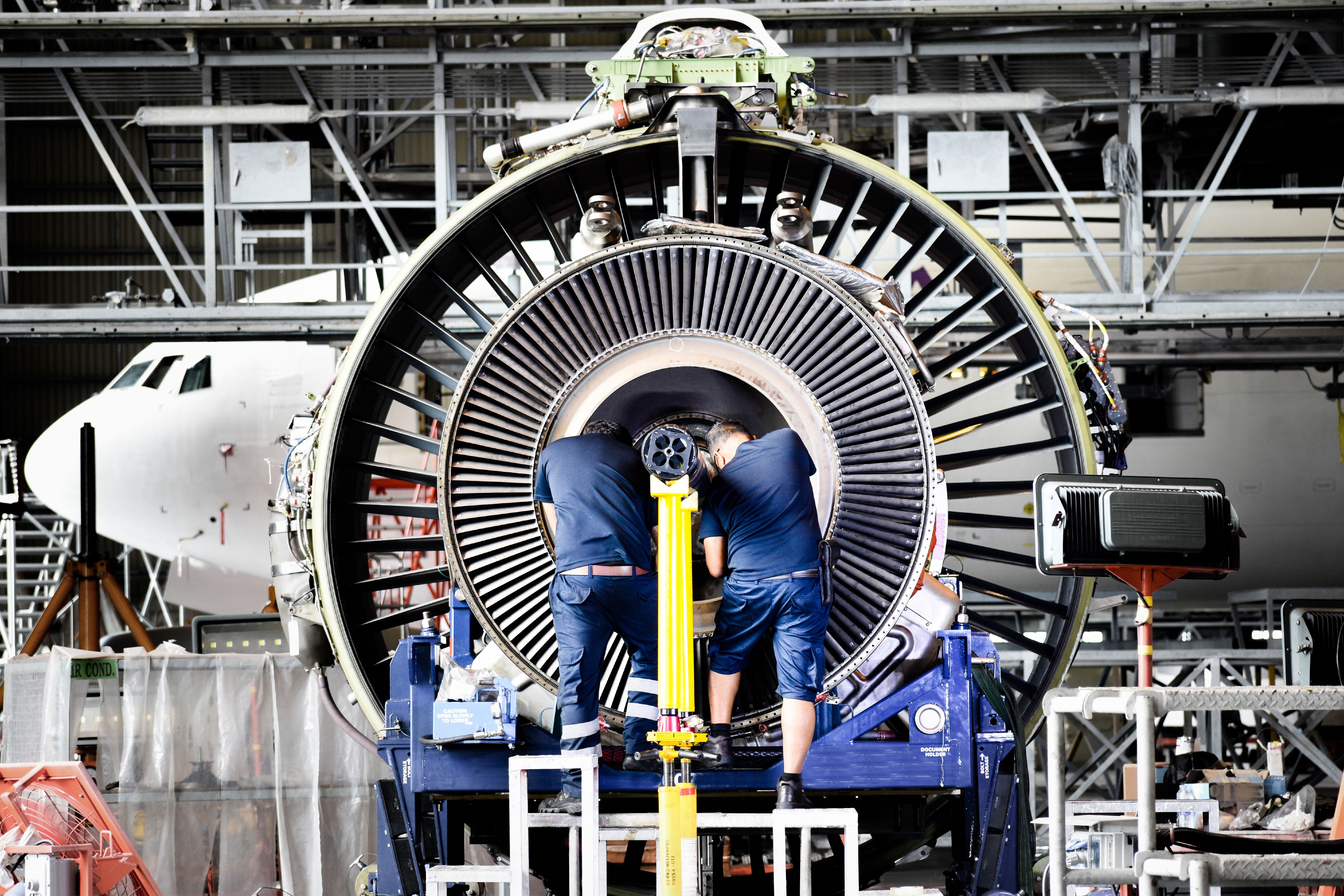
Airplanes
Engines
Advanced engine parts, such as turbine blades and combustion chambers, can be produced using 3D printing. These parts are heat-resistant and enable greater efficiency and performance.
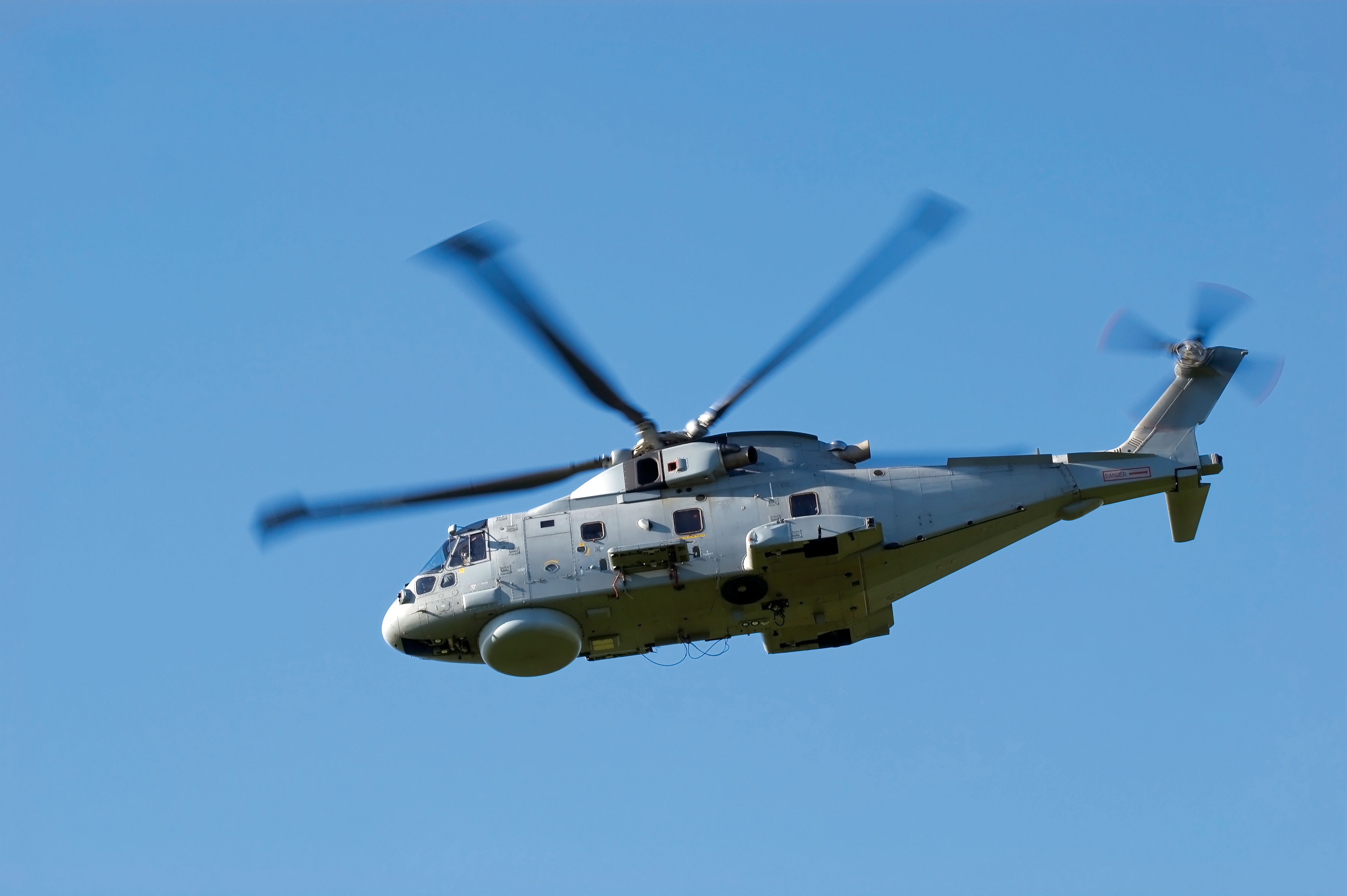
Helicopter
3D printing enables the production of lightweight structural components and optimized rotor blades that are aerodynamically precise and thus increase flight stability and efficiency.
By reducing production costs and times with 3D printing, manufacturers can make customer-specific adjustments and implement innovative designs quickly. The personalization of components, from integrated sensors to flame-retardant housings, offers tailor-made solutions for various applications.
As a forward-thinking method, 3D printing continuously improves helicopter performance and safety while promoting sustainable practices and saving resources. Manufacturers are able to respond quickly to technological advances and push the boundaries of helicopter design.
Application examples in detail
New impetus for cabins and cockpits
Many details count in the cabin of an airplane, where 3D printing sets superior accents. Imagine housings and panels that are not only visually appealing, but also perfectly matched to the existing structures. Thanks to 3D printing, such components can be produced with a precision and level of customization that far exceeds the capabilities of traditional methods. Ventilation grilles, often overlooked, are gaining importance through optimized designs that provide an improved climate and less noise. Customized brackets contribute to the efficient use of space while being robust and flexible.
3D printing also shows its strengths in the cockpit. Functionality and safety are particularly important here, and the ability to print complex geometries with maximum precision creates completely new possibilities. Instrument panels and control units can be customized to meet the ergonomic requirements of pilots. The accurate reproduction of prototypes enables rapid testing and customization, which significantly shortens innovation cycles. Thanks to the use of lightweight and robust materials, 3D printing helps to make the cockpit a place where cutting-edge technology and user-friendliness come together.

Engines: complexity and weight savings
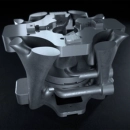
When designing engines, efficiency is the key to optimizing performance and fuel consumption. 3D printing enables the production of engine parts with complex geometries that are difficult to replicate using conventional methods. These include turbine blades and combustion chambers, whose specific designs improve airflow and maximize performance. A key advantage is the ability to integrate internal grilles and cooling ducts directly into the components, resulting in significant weight savings. Less weight means significant fuel benefits, as lighter engines require less energy to deliver the same power.
Drones in the spotlight
The combination of drones and 3D printing has the potential to change the way drones are used. From personalized delivery of goods to complex search and rescue missions, the flexibility and cost-effectiveness of 3D printing can help develop new applications and services that were previously considered out of reach. Advances in these technologies are bringing us closer to a future where drones will be increasingly ubiquitous and innovative helpers in a variety of industries and communities.
What are the advantages of 3D printing in aerospace?
-
Weight reduction
In aerospace technology, weight reduction is synonymous with fuel savings and increased range. 3D printing enables the production of lighter and at the same time more robust components by using materials such as titanium and high-strength plastics. -
Cost efficiency
3D printing allows rapid prototyping ("fast model making") and thus leads to savings in development costs. Thanks to the direct transition from digital design. -
Complex geometries
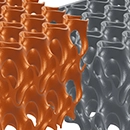
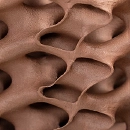
Additive manufacturing allows the design and manufacture of structures that cannot be produced using conventional methods, such as complex lattice structures that are both strong and lightweight. -
Faster product development
As 3D printing is created directly from digital files, production time can be drastically reduced. This enables a faster response to changing market demands and speeds up the entire development process.
Challenges and future prospects
-
Size restriction
The build sizes of conventional 3D printers are often insufficient to produce the large structural components required in aviation. When parts cannot be produced in a single piece, they must be divided into smaller components and assembled later. This can affect the structural integrity of the parts and requires additional post-processing as well as time and resource intensive assembly processes. -
Specialist knowledge
The successful use of 3D printing technologies in the aerospace industry requires specialized knowledge of manufacturing processes and material properties. Engineers must be able to fully exploit the benefits of additive manufacturing while meeting safety requirements. A deep understanding of material properties such as strength, temperature resistance and corrosion protection is crucial. In addition, expertise in the planning and execution of quality checks, such as scans and tests, is necessary to ensure the reliability of the manufactured components. -
Reliability
In the aerospace industry, component reliability is of paramount importance. Additive manufacturing must ensure that the parts produced meet stringent safety and performance standards. Extensive testing and validation is required to avoid material defects or weaknesses in the structure. Aerospace components are often exposed to extreme conditions, so the reliability of material properties and structural stability are absolutely essential. These challenges underscore the need for careful planning and the expertise available to successfully utilize 3D printing in the aerospace industry.
3D printing on alien planets
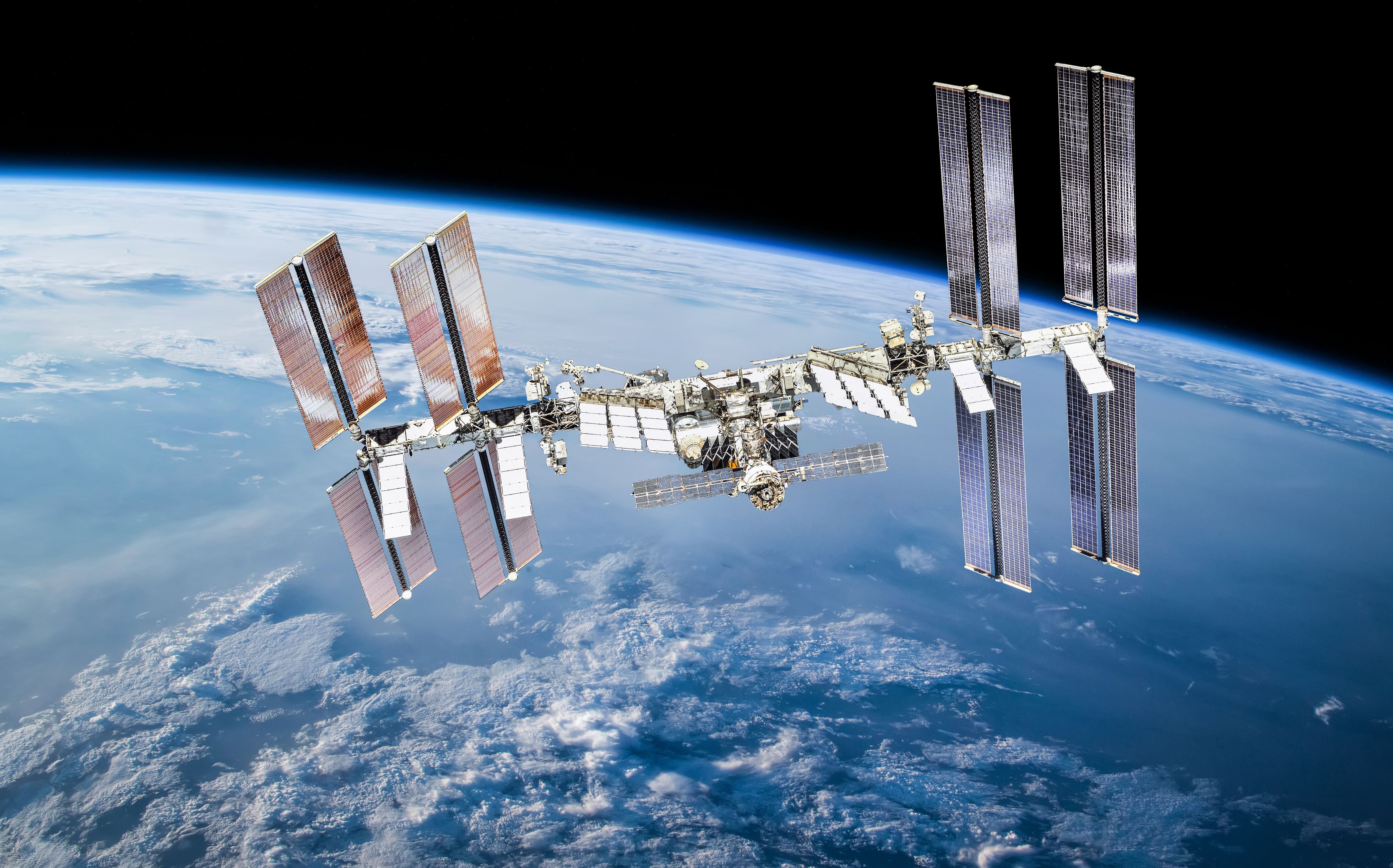
Advanced 3D printing technology could soon transform the exploration of Mars and other planets. The ability to print all essentials directly on site, from living structures to spare parts, means more independence from Earth supplies and the chance to turn the red planet into a home away from home. This adventure could be a real step towards an interplanetary future where printing "Made in Mars" is just the beginning.
- Fun Fact: ESA is experimenting with 3D printing of lunar base structures using moon dust as the primary material.
Which materials are particularly interesting?
Aluminum alloys
- Lightweight and strong: Aluminum alloys offer an excellent combination of low weight and high strength.
- Thermal conductivity: They have excellent thermal conductivity, which is important for heat dissipation in aerospace applications.
- Corrosion resistance: Aluminum alloys offer excellent protection against corrosion, which extends component life.
Inconel
- High temperature resistance: Inconel is a nickel-chromium alloy that can withstand very high temperatures without significant changes in structure or strength.
- Oxidation resistance: It resists oxidation under high temperatures, making it the perfect choice for engine components.
- Strength: Inconel offers immense strength under mechanical stress and thermal shock.
High-performance polymers such as PEEK
- Chemical resistance: PEEK has excellent resistance to aggressive chemicals.
- High strength and rigidity: It retains its mechanical properties, even at high temperatures and under stress.
- Lightweight: PEEK is extremely lightweight, making it ideal for applications where weight savings are important.
PA12 flame-protected
- Flame retardant: The flame-protected properties make PA12 the perfect choice for applications that require high fire safety regulations.
- Flexibility and fracture resistance: PA12 offers good fracture resistance and is extremely flexible, allowing complex geometries to be designed.
- Chemical resistance: It is resistant to many bases, acids and chemicals, making it a good choice for harsh environmental conditions.
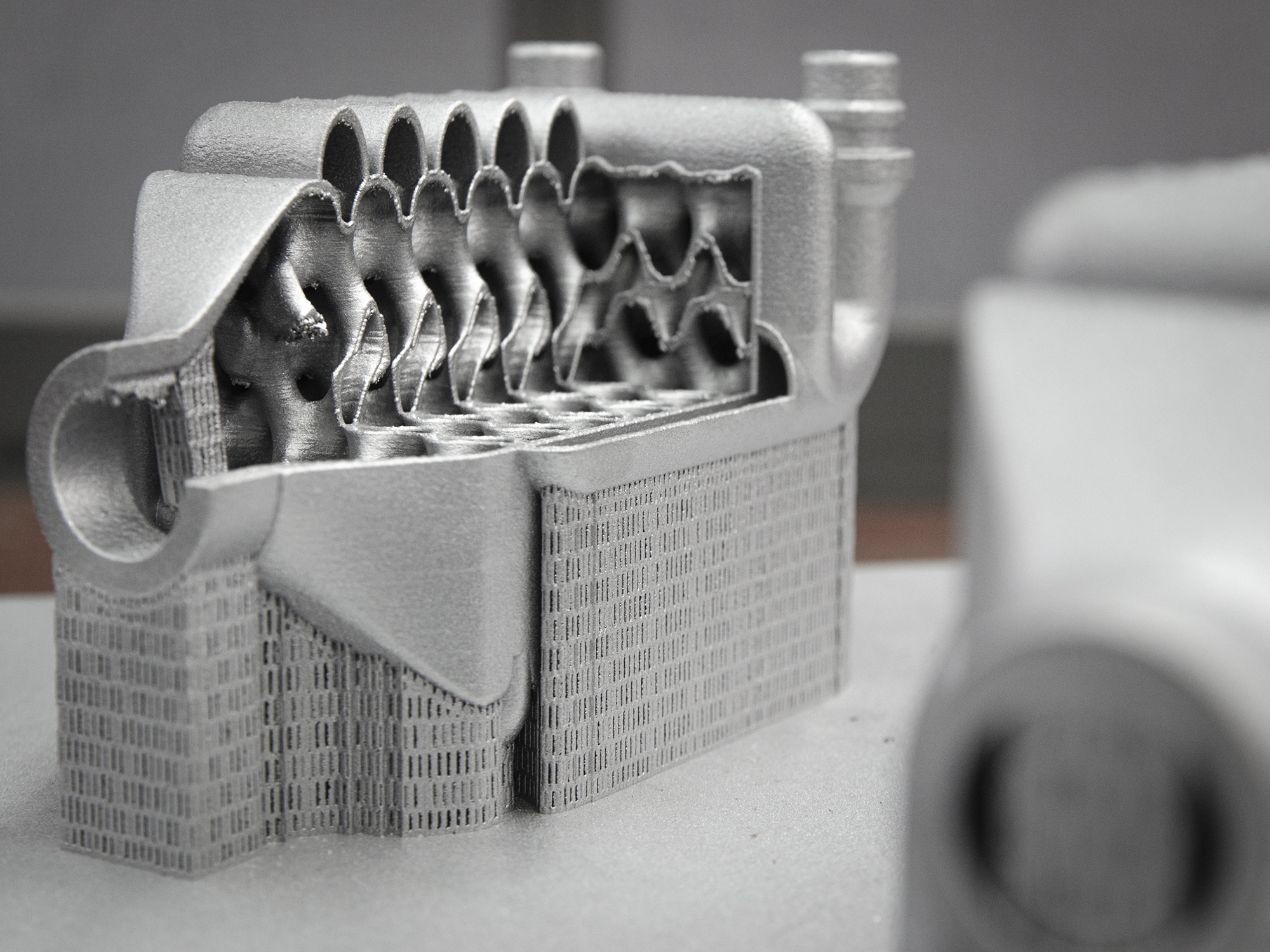
Lighter heat exchangers with optimized geometries
What are heat exchangers?
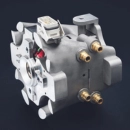
Heat exchangers are technical components that transfer heat energy from one medium to another without the two substances mixing. The media can be liquids, gases or combinations thereof. The aim is to make efficient use of temperature differences: One medium is heated, the other is cooled.
Heat exchangers are key components in the aerospace industry for reliably cooling sensitive systems and controlling high thermal loads. Aircraft, helicopters, satellites and rocket systems operate under extreme temperature and pressure conditions - efficient thermal management is therefore essential.
Conventional production - tried and tested, but limited
Traditionally, heat exchangers are made from metal - using processes such as milling, welding, soldering or bending. These methods offer solid results, but are often time-consuming and costly. Conventional manufacturing methods quickly reach their limits, especially when it comes to particularly complex internal structures that are crucial for optimum heat transfer.
Modern production technologies
3D printing can be used to create new, optimized geometries that increase the efficiency of heat exchangers and open up new design possibilities.
No CAD data available?
Even if no CAD data is available, replacement components can be digitized in this way and prepared for additive manufacturing. The prerequisite for this is that the object consists of a homogeneous material. If this is not the case, the CT evaluation cannot guarantee a clear separation of the materials, which makes model generation difficult or impossible.
We create the appropriate CT scan data for you.
Frequently asked questions about 3D printing in the aerospace industry
How does the protiq.com marketplace work?
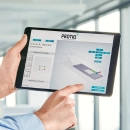
- Upload CAD data in the configurator
- Select materials and finishing
- Automated cost estimation
- Direct quotation generation
- Order processing
How can I get in touch with PROTIQ?
How can PROTIQ help with prototype development for drones, for example?
How can I get support in selecting materials?
Our team offers consultancy services to help you choose the best material for your specific requirements. If you are unsure, you can contact us at service@protiq.com.