

 Deutsch
 English
 Italiano
-
Manufacturing service
-
Manufacturing processes
-
Materials
-
Manufacturing processes
-
Other services
-
Knowledge area






.png)
Expanded Material Spectrum: High-Performance Ceramics from the 3D-Printer
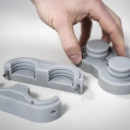
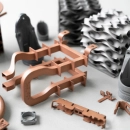
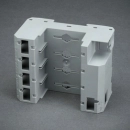
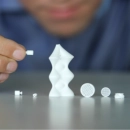
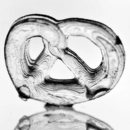
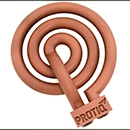
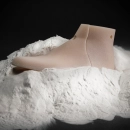
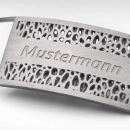
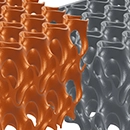
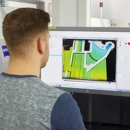
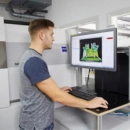
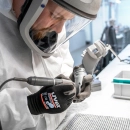
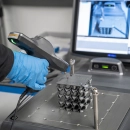
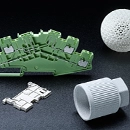
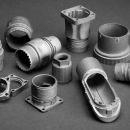
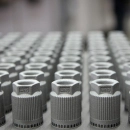
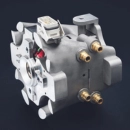
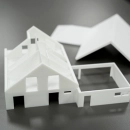
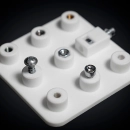
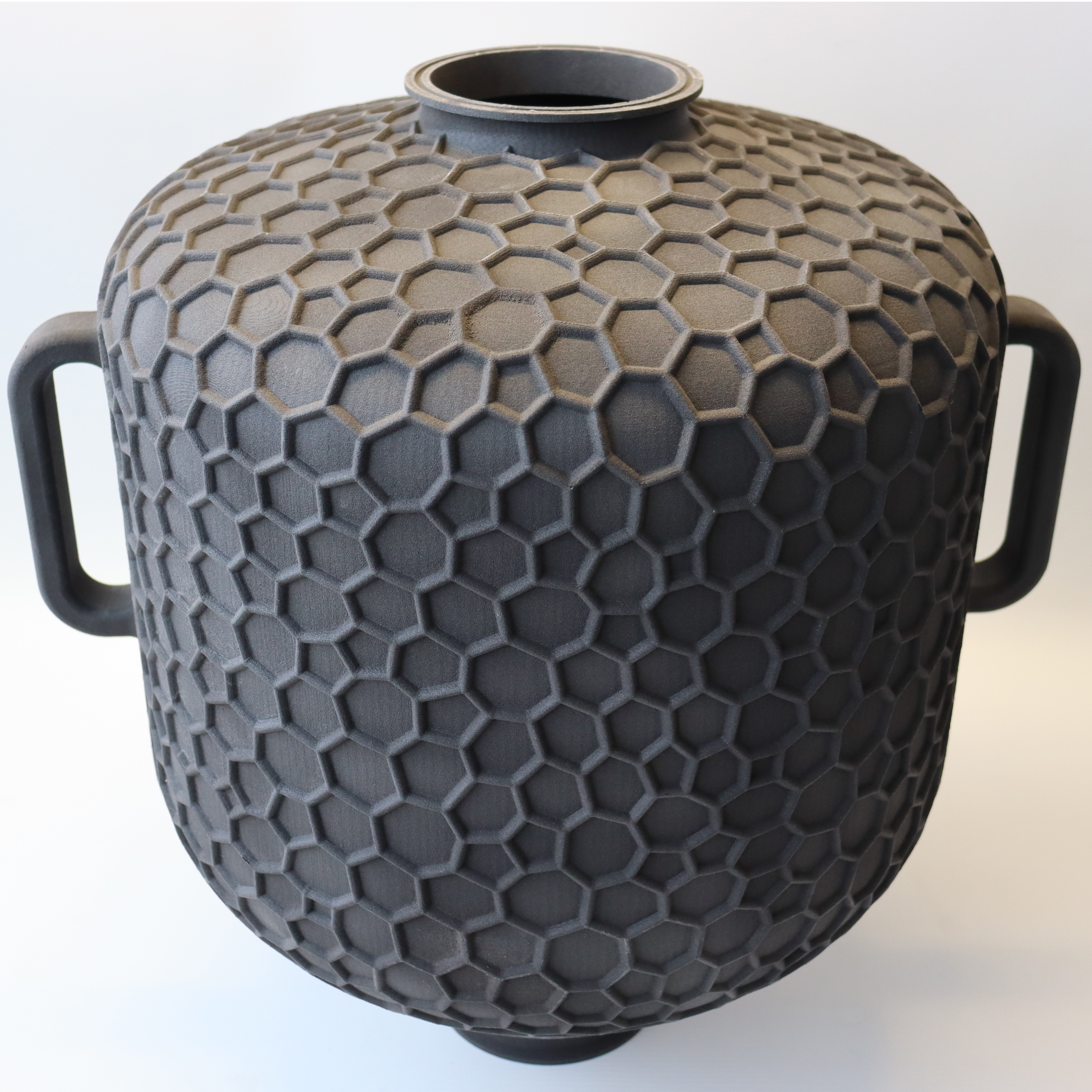
As of now, in addition to 3D objects made of plastics and metals, we are also able to offer additive production of high-performance ceramics. Using lithography-based ceramic manufacturing (LCM), we can produce for you the finest components with a smooth, glossy surface, which have the same material properties as products made using classical manufacturing methods. For you this means a wide range of applications that can be realized very quickly and economically using 3D printing.
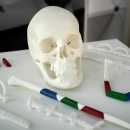
“Ceramics can be much more than garden decor or dishes. Whether as a biocompatible bone replacement material in medical technology or as an extremely resistant insulation material in high-temperature applications, so-called technical ceramics are now valued in many fields of application, and are often supplanting metallic materials,” says Dr. Ralf Gärtner, Managing Director of PROTIQ. “Additive production allows for an extremely high degree of design freedom and produces ceramic products with high strength and precision. 3D printing of components is thus suitable both for functional prototypes and for the cost-efficient production of small batches.”
Starting from your CAD data, first a so-called green body is formed layer by layer during the LCM process. This is composed of a liquid suspension of ceramic powder and monomer. Curing is then achieved by special thermal treatment at up to 1,600 °C. Aluminum oxide (Al2O3), zirconium oxide (ZrO2), and tricalcium phosphate (TCP) can be added to meet the needs of a wide range of high-tech industrial applications.
Learn more about innovative 3D printing technology for technical ceramics:
More News

Are your 3D files ready?
Just upload your data. All files are automatically checked and optimized for printing.


