


 Deutsch
 English
 Italiano
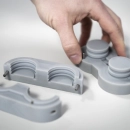
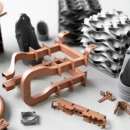
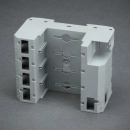
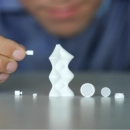

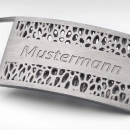

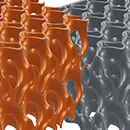


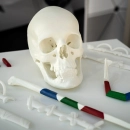





3D Printing vs. Injection Molding
3D Printing and Injection Molding – Which Manufacturing Process Is Best Suited for Your Component? Compare both technologies in terms of design freedom, production volume, tooling requirements, quality, and typical application areas.
Materials Comparison
| Material Property | 3D Printing (SLS) | Injection Molding |
|---|---|---|
| Robust Standard Plastics | PA11, PA12 | ABS, PP, PE, PA |
| Engineering Plastics | PA6x, glass fiber reinforced materials | POM, PC, PBT |
| High-Temperature Plastics | PEKK, other high-performance polymers | PEEK, PPS, LCP |
| Flexible Materials | TPU | TPE, TPU, Silicone |
* Material availability may vary depending on the manufacturing process and provider. The materials listed serve as typical examples.
Technical Details Comparison
| Criterion | 3D Printing (SLS) | Injection Molding |
|---|---|---|
| Manufacturing Principle | Layer-by-layer construction of the component | Shaping within a mold tool |
| Tooling Effort | No tooling required | Tooling required |
| Production Volumes | Single parts up to production series | High-volume and mass production |
| Design Freedom | Excellent for complex and functionally integrated geometries | Limited by mold design and demolding requirements |
| Surface Quality | Slightly rough, functional surface; can be post-processed if required | Consistent surface quality directly from the mold |
Areas of Application Compared
3D Printing and Injection Molding in Practice
3D printing and injection molding are among the most important manufacturing processes for producing plastic components.
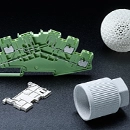
3D printing is particularly suitable for prototypes, small production runs, and complex components. Injection molding is the cost-effective solution for large production volumes with consistent quality.
Typical Areas of Application at a Glance
Typical Applications:
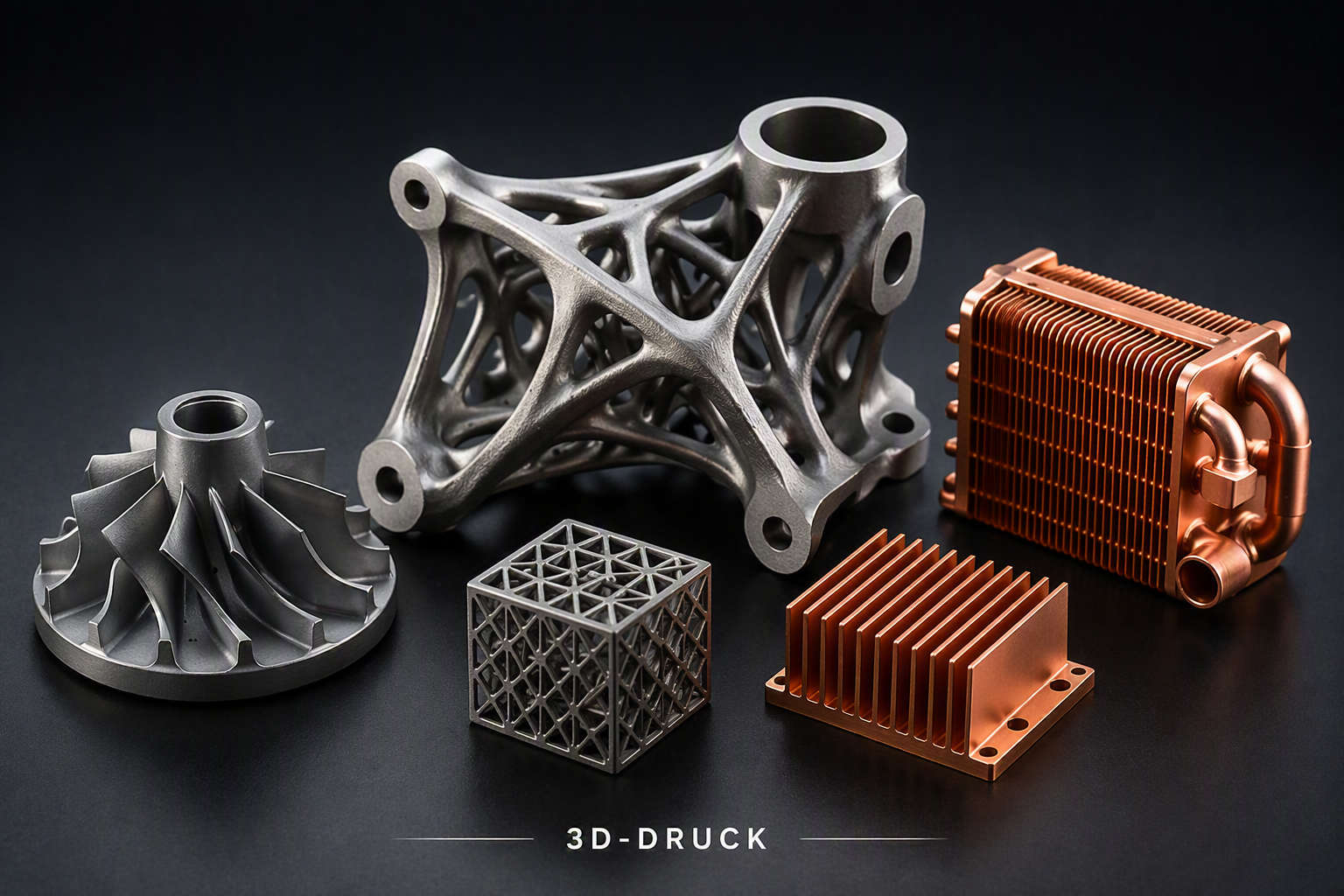
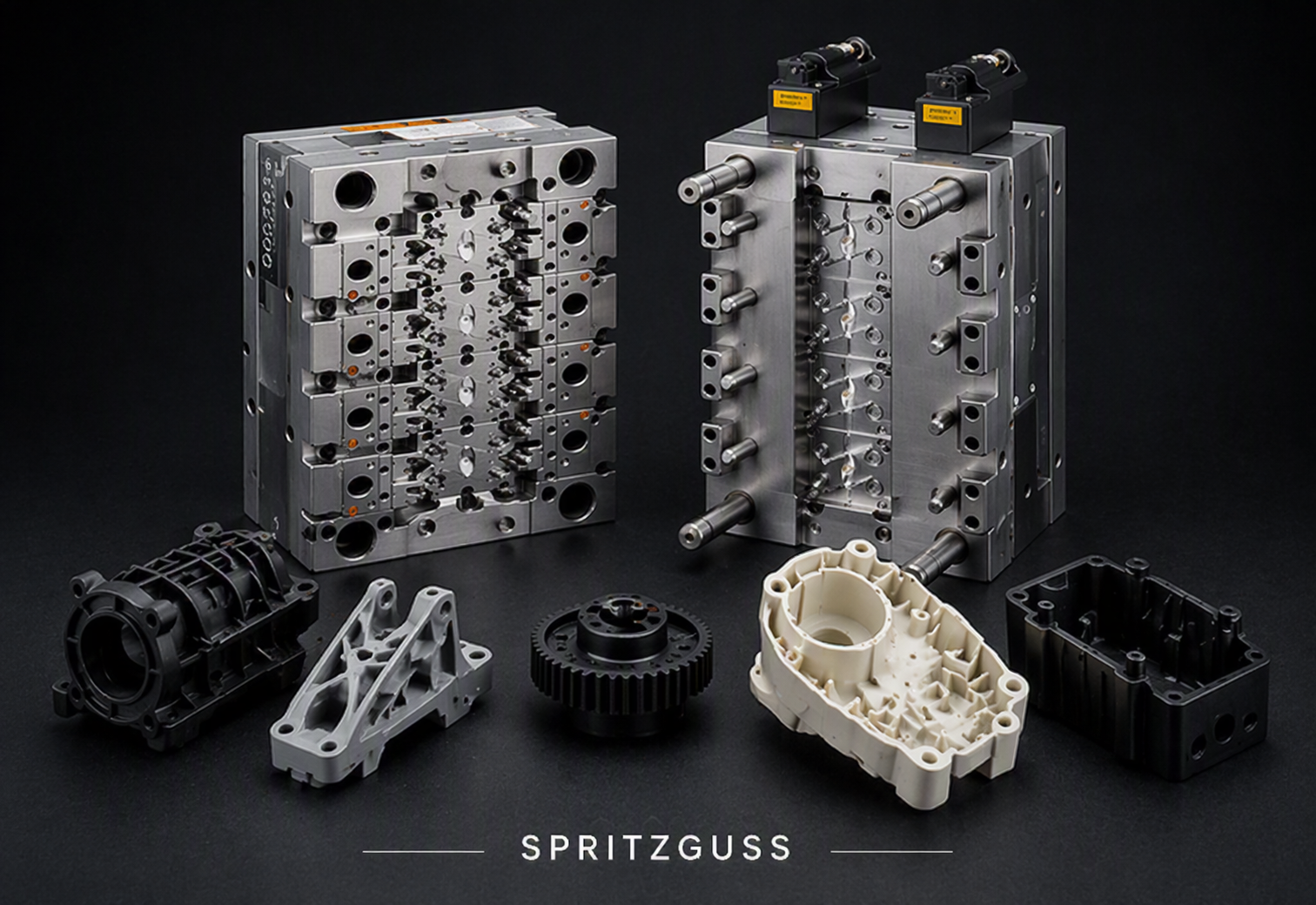
Prototypes, functional prototypes, production components, housings, brackets, and technical plastic components
3D Printing (SLS):
Prototypes, small production runs, complex geometries, customized components, and function-integrated parts
Injection Molding:
Large production runs, standardized plastic parts, high repeatability, and cost-efficient mass production
When Is 3D Printing the Right Choice and When Is Injection Molding?
3D Printing
- Ideal for complex geometries and functionally integrated components
- Suitable for lightweight designs and optimized structures
- Efficient for prototypes and small production runs
- Supports rapid design modifications during the development process
- Particularly suitable for customized components
Injection Molding
- Ideal for high volumes and mass production
- Consistent part quality across large quantities
- Excellent surface finish directly from the mold
- Suitable for virtually all plastic applications
- Cost-effective for high production volumes
Frequently Asked Questions About 3D Printing and Injection Molding
3D Printing vs. Injection Molding – Find the Right Manufacturing Process
Upload your part and determine the optimal manufacturing process.
Upload Your Part & Determine the Manufacturing Process →