


 Deutsch
 English











PA11 vs. PA12 in 3D Printing
Material Properties Compared
| Property | Polyamide 11 (PA11) | Polyamide 12 (PA12) |
|---|---|---|
| Flexibility | ★★★★★ | ★★★☆☆ |
| Stiffness | ★★★☆☆ | ★★★★☆ |
| Dimensional Accuracy | ★★★★☆ | ★★★★☆ |
| Impact Strength | ★★★★★ | ★★★★☆ |
Rating from ★☆☆☆☆ (low) to ★★★★★ (very high)
Technical Data Compared
| Property | PA11 | PA12 |
|---|---|---|
| Tensile Strength | approx. 45–50 MPa | approx. 48–55 MPa |
| Elongation at Break | approx. 30–50% | approx. 15–25% |
| Tensile Modulus | approx. 1300–1500 MPa | approx. 1500–1700 MPa |
| Density | ~1.03 g/cm³ | ~1.01 g/cm³ |
| Melting Point | approx. 203 °C | approx. 176 °C |
*The values shown are typical reference values and may vary depending on the manufacturing process, part geometry and testing direction.
Applications
PA11 and PA12 in Use
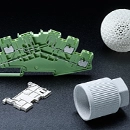
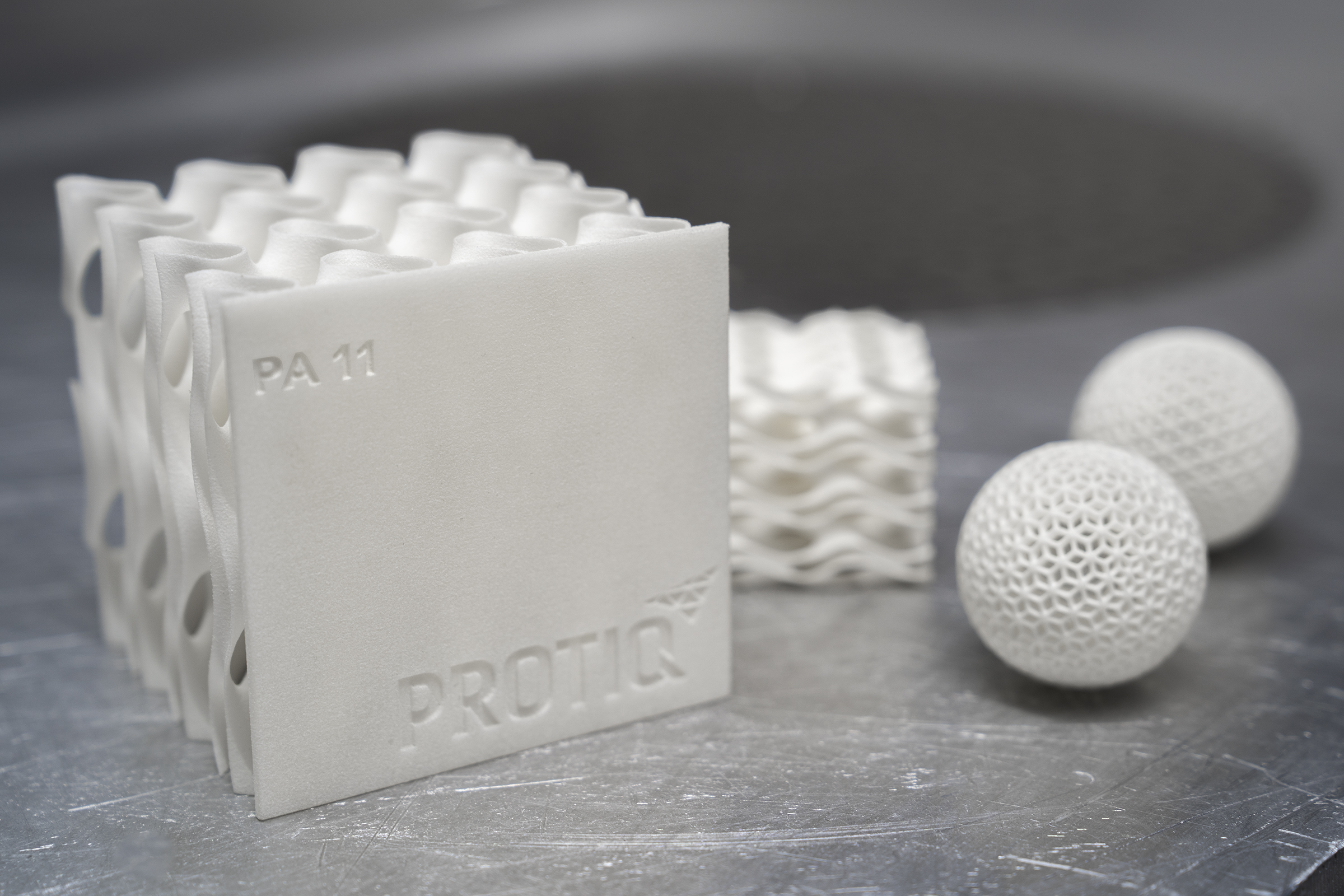
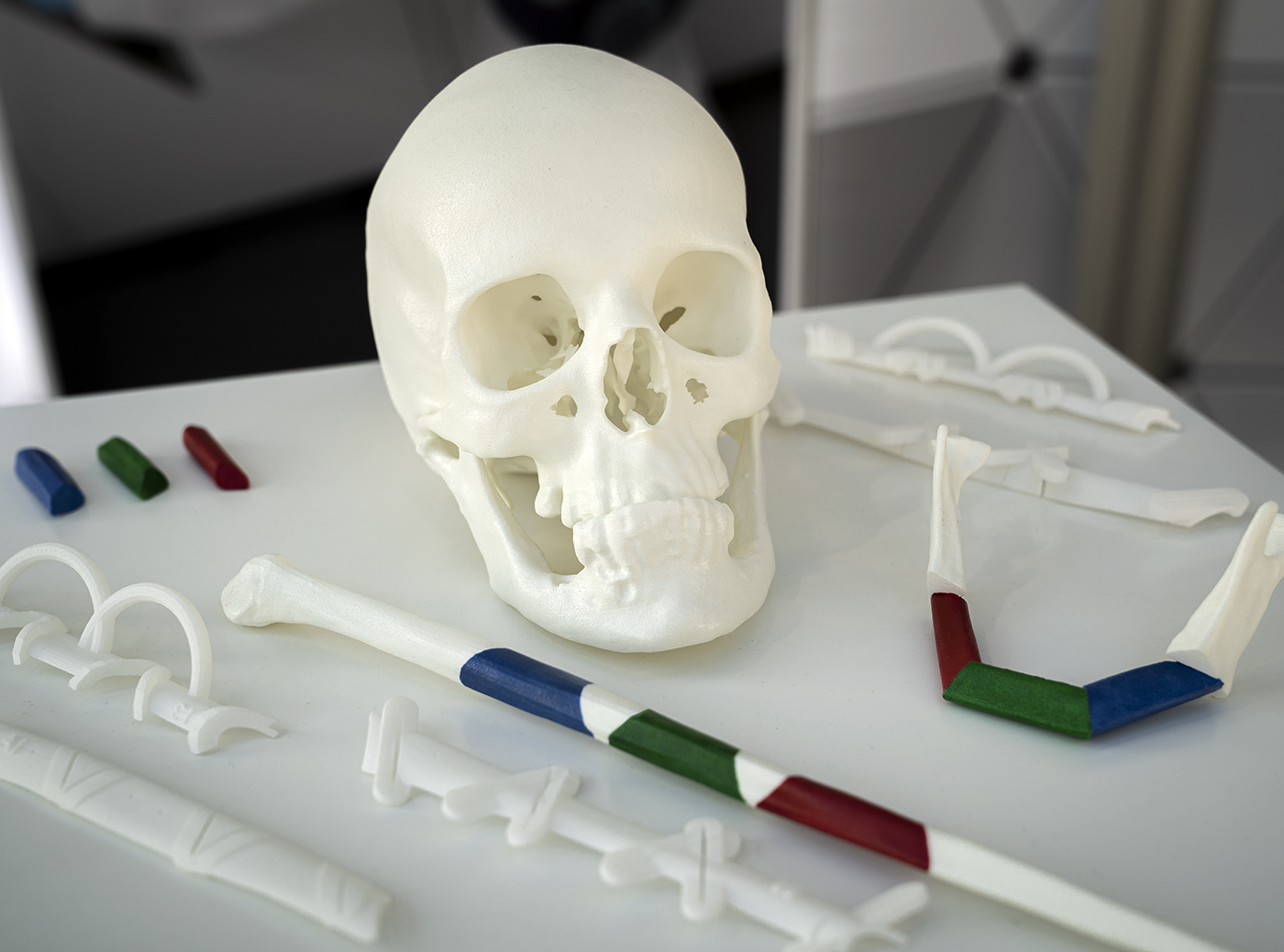
PA11 and PA12 are among the most widely used plastics in industrial 3D printing. Both materials are used across numerous industries, including automotive, mechanical engineering and medical technology.
The choice of material primarily depends on whether tough, impact-resistant parts or stiff, dimensionally stable components are required.
While PA11 excels in flexible and impact-loaded applications, PA12 is often used for dimensionally stable technical components due to its higher stiffness. The higher stiffness of PA12 is also reflected in its material properties, particularly in the tensile modulus.
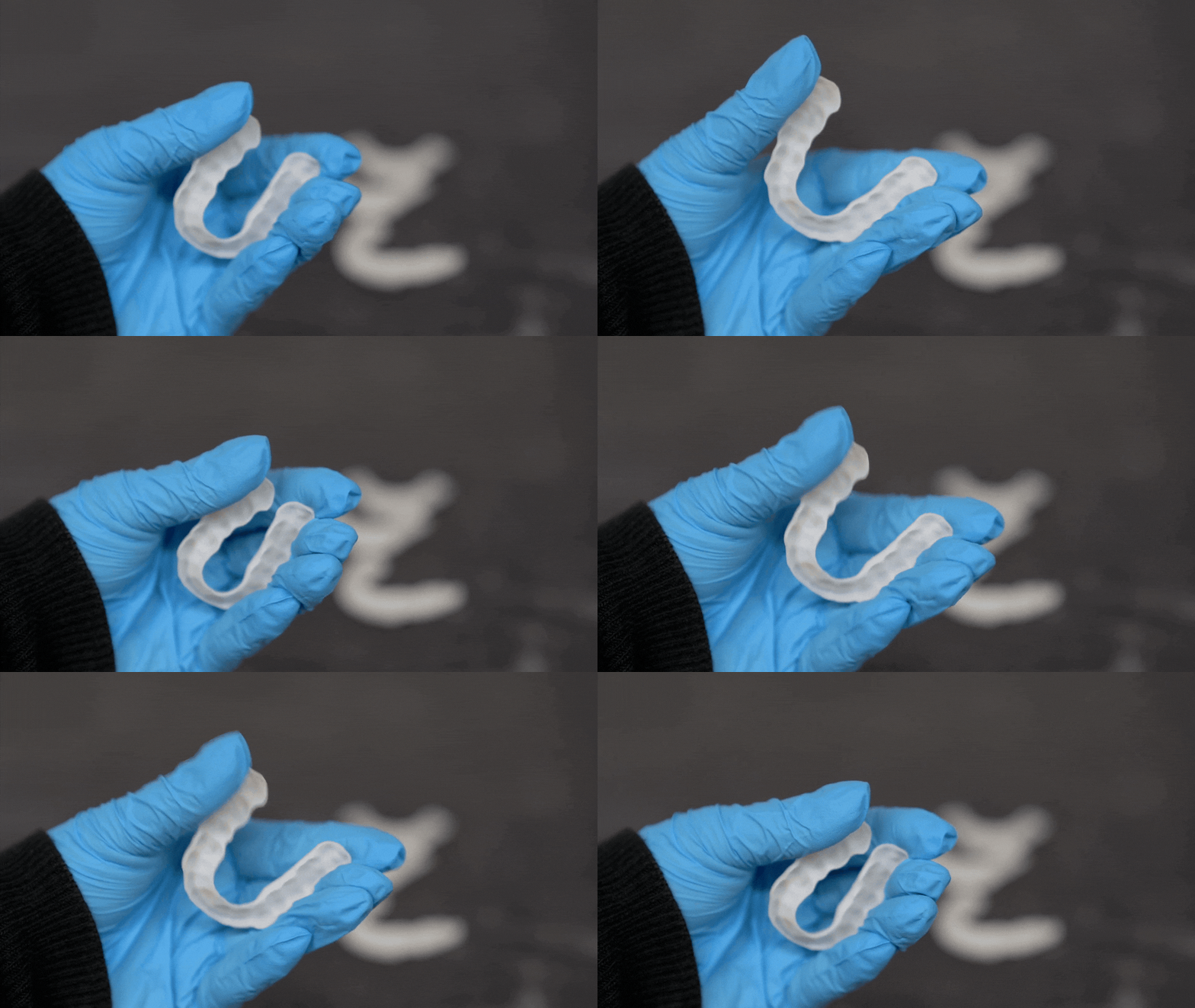
| PA11: Clips and snap-fit connections, flexible or movable parts, components subjected to high impact and shock loads |
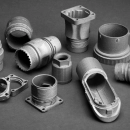
| PA12: Housings and brackets, dimensionally stable technical components, parts with increased requirements for stiffness and dimensional stability |
PA11 or PA12 - Which Choice Is Right?
PA11
- Ideal for tough, flexible and durable components
- Suitable for clips and snap-fit connections
- High elongation at break for resilient designs
- Good performance under impact and shock loads
- Bio-based material made from renewable resources
PA12
- Ideal for rigid and dimensionally stable components
- Proven standard material for housings, brackets and technical components
- Good choice for applications requiring high stiffness
- Established material for repeatable production applications
- Widely used in industrial 3D printing
Frequently Asked Questions About PA11 and PA12 in 3D Printing
PA11 or PA12 – Find the Right Material
Upload your component and compare PA11 and PA12 directly in the configurator – tailored to requirements such as durability, flexibility and intended application.
Upload Your Part & Select a Material →