


 Deutsch
 English
 Italiano
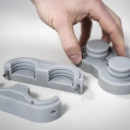
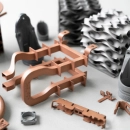
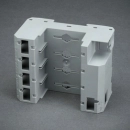
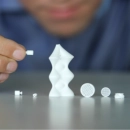







Metallic Coating of 3D-Printed Plastic Parts
What does metallization mean?
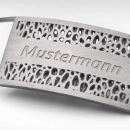
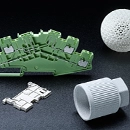
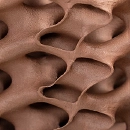
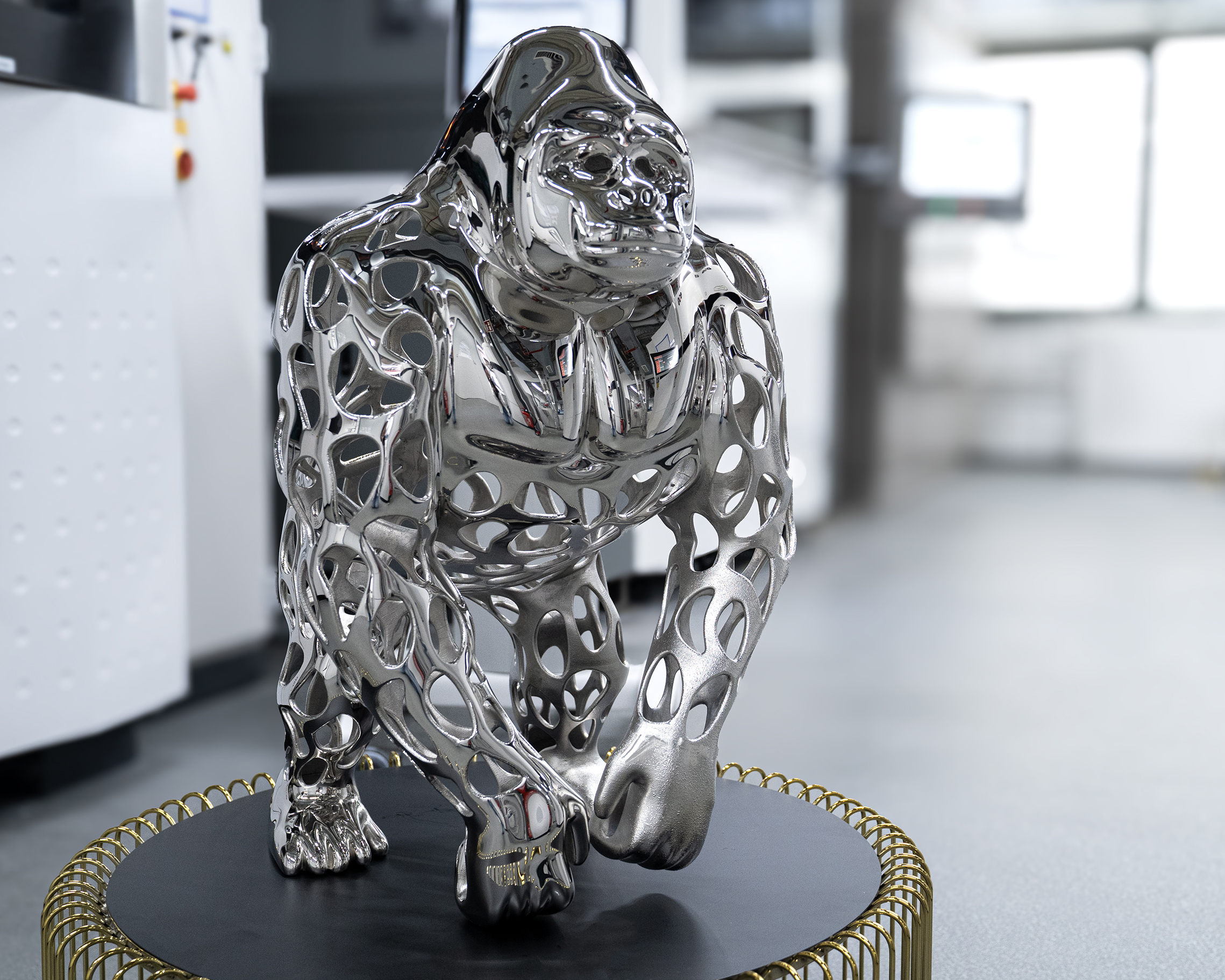
3D-printed plastic parts can be specifically enhanced in terms of functionality – for example, with a metallic surface. This creates components that combine the design freedom of additive manufacturing with the properties of metal, for example in terms of strength, conductivity or wear behavior. In metal coating, a plastic component is coated with a metal layer. The basis is a hybrid process chain:
1. Production of the component using selective laser sintering (SLS)
2. Preparation of the surface
3. Build-up of a metallic layer using electroplating processes (electroforming)
The standard coating thickness is typically around 150 µm, providing a balanced combination of functionality, mechanical stability, and cost efficiency. Depending on the specific application and requirements, the metallization can be precisely adjusted and generally ranges from approximately 50 to 300 µm. In special cases, significantly higher coating thicknesses – up to several millimeters – can also be realized, depending on the project and its requirements.
This creates coatings ranging from functional layers to more pronounced metallic build-ups, which can influence the component behavior accordingly.
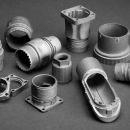
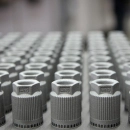
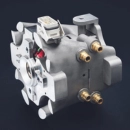
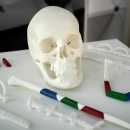
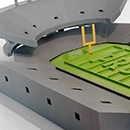
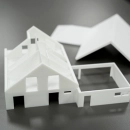
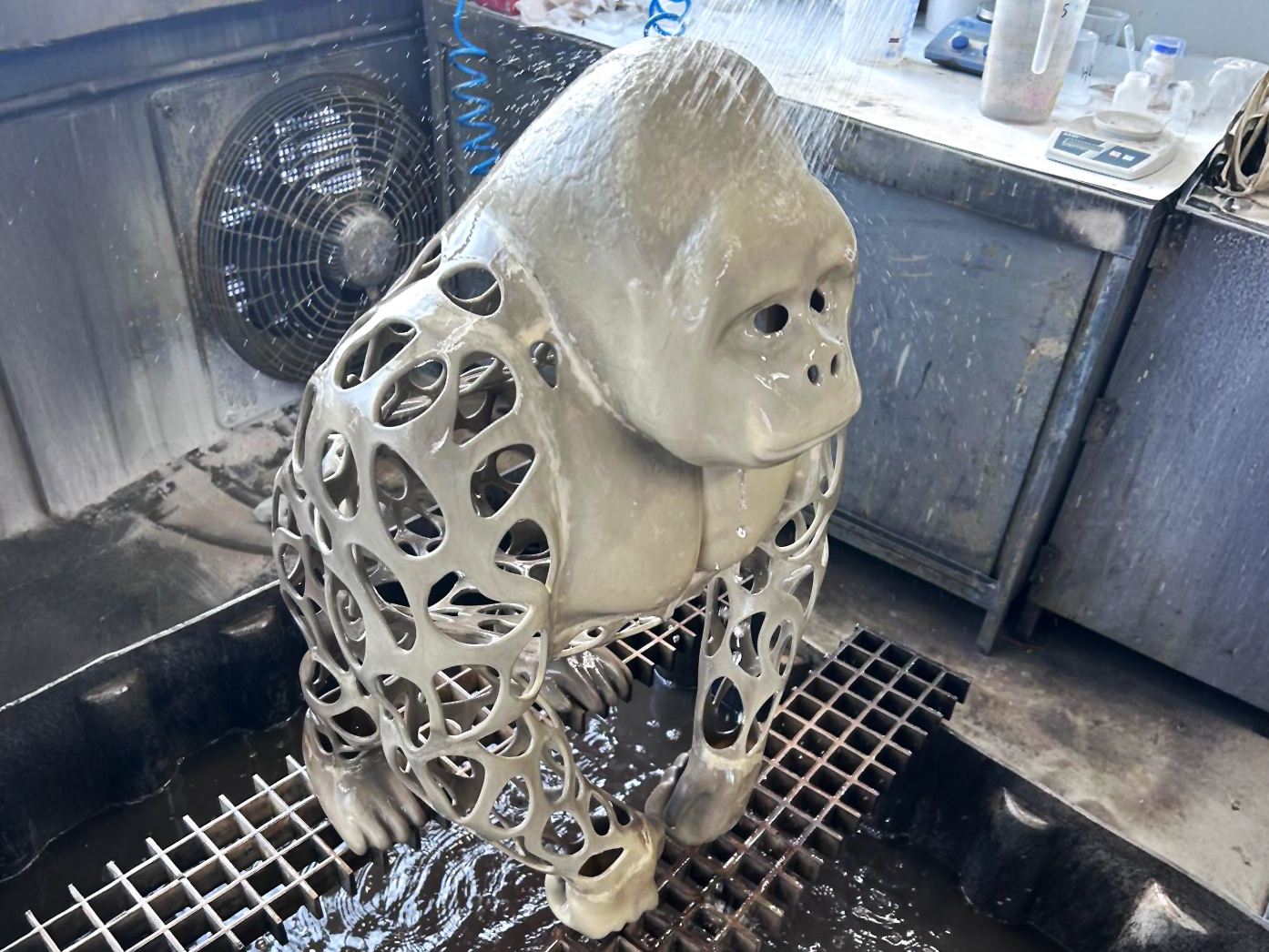 Photo: Fichtner & Schicht
Benefits of metallizing plastic parts
The combination of 3D printing and metal coating offers a unique blend of design freedom and functionality.
Mechanical and functional advantages
- Increased hardness and wear resistance
- Improved mechanical stability
- Higher chemical resistance
- Protection against abrasion and environmental influences
Electrical properties
- Improved electrical conductivity (especially copper)
- Functionalization for technical applications possible
Weight and cost advantages
- Significantly lighter than solid metal components
- Cost-effective alternative to cast or machined parts in medium batch sizes
Design and appearance
- High-quality metallic appearance and feel
- Ideal for visible components and design applications
Which coatings do we currently offer?
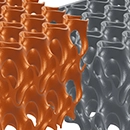
Currently, nickel and copper coatings are available for components produced by selective laser sintering.
The nickel coating is characterized by high hardness and wear resistance while also offering very good corrosion resistance. This makes it particularly suitable for functional components exposed to mechanical loads.
The copper coating stands out primarily due to its excellent electrical conductivity and is often used as a base layer for further functional coatings. It is especially relevant for applications with electrical requirements, but also impresses with its characteristic warm metallic appearance with a reddish hue.
Typical application areas
Metallized 3D-printed components are primarily used when pure plastic solutions reach their functional limits and conventional metal parts are not an optimal alternative in terms of weight, cost, or design constraints. Especially for complex geometries that are difficult to realize using traditional methods or would require significant effort, the combination of additive manufacturing and metallic coating opens up new possibilities.
The process combines functional, economic, and design-related advantages: In addition to targeted improvements in mechanical properties, components can also be enhanced visually – the metallic surface provides a high-quality appearance and tactile feel, which is particularly important for visible or design-relevant parts.
At the same time, the process chain offers economic advantages, especially in medium production volumes. When tooling costs for conventional manufacturing methods are not yet viable or when a high degree of variant diversity is required, this approach provides a flexible and comparatively cost-efficient solution.
Metal coating for your next project
Whether you need functional performance or a high-quality metallic appearance, the right coating helps you get more out of your 3D‑printed components. Simply select the option during the ordering process or contact us for customized solutions.

Expert tip: Not every application requires a design optimized for coating – however, early coordination between part design and the metallization process can offer significant advantages. This allows surface quality, part performance, and technical properties to be specifically enhanced.
Constructive freedom meets metallic performance
A key advantage lies in the combination of additive manufacturing and metallic coating: While selective laser sintering (SLS) enables the realization of complex geometries and internal structures, metalization enhances both the visual and mechanical properties of the components. This results in solutions that would require significant effort – or would not be feasible at all – using conventional manufacturing methods.
Metal coatings can be selected directly as a finishing option during the ordering process for suitable components. For additional materials or specific requirements, individual coordination is possible – feel free to contact us. Together, we will discuss your next project and define the optimal combination of material and coating.
“The metallization of 3D-printed components is increasingly evolving from a purely aesthetic finishing process into a key functional technology. It not only enables high-quality, realistic prototypes, but also opens up new potential for industrial series applications – particularly where complex geometries, low weight, and technical surface properties must be combined economically.”
Maurice Großelindemann, Fichtner & Schicht
Frequently asked questions about metallization
Which materials can be coated?
Currently, the focus is on SLS components made from PA12 and PA11. However, other materials are generally possible and are evaluated on a project-specific basis.
How thick is the metal layer?
The coating thickness depends on the specific application. Typically, the standard thickness is around 150 µm, with a general range of approximately 50 to 300 µm depending on the requirements. For project-specific needs, greater coating thicknesses up to the millimeter range are also possible and are individually coordinated.
Is the coating suitable for series production?
Yes, both single parts and series production are possible.
When does metallization make sense instead of solid metal?
Primarily for complex geometries, weight-sensitive applications, or when tooling costs for conventional manufacturing processes should be avoided.
What is the difference between nickel and copper coatings?
Nickel coatings primarily offer high mechanical strength as well as excellent wear resistance. Visually, they are characterized by a shiny, silvery technical surface, making them particularly suitable for functional components with a technical appearance.
Copper coatings, on the other hand, are mainly used due to their excellent electrical conductivity. At the same time, they offer a characteristic warm metallic appearance with a reddish hue, which can also be used for visible or design-oriented components depending on the application.