


 Deutsch
 English
 Italiano
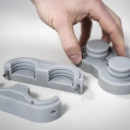
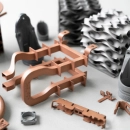
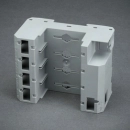
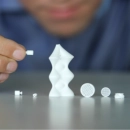


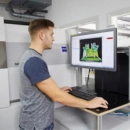
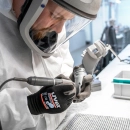
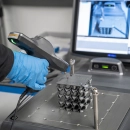
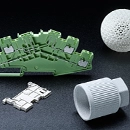






3D Printing in the Military and Defense Industry
Additive Manufacturing for Safety-Critical Applications
Geopolitical uncertainties, complex supply chains, and long lead times present growing challenges for military, defense, and security organizations. At the same time, requirements for availability, adaptability, and technical reliability of systems and equipment continue to increase.
3D printing in the military and defense industry—also referred to as industrial additive manufacturing—offers new options in this context. Components can be produced on demand, flexibly and quickly, without relying on complex tooling or extensive supply chains.
- Secure availability through additive manufacturing in Germany
- Response to long lead times and complex supply chains
- On-demand provision without tooling and series dependency
- Focus on quality, process reliability, and technical dependability
- Industrial manufacturing for development, maintenance, and servicing
3D Printing in a Military and Defense-Related Context
In an industrial context, 3D printing in military or defense-related environments refers to the additive manufacturing of components, assemblies, tools, and technical aids for governmental, military, and security-relevant applications. Established industrial processes are used in particular where short lead times, small quantities, or flexible availability are required—for example, to bridge supply shortages or enable decentralized production.
This refers to applications across development, maintenance, servicing, and supply—and explicitly not to hobby, consumer, or cosplay use, nor to historical or decorative “armor.” The focus is on functional components and on requirements related to availability, quality, and process reliability. Additive manufacturing is used to complement, not replace, conventional manufacturing processes. Accordingly, traceable documentation, defined quality standards, and compliance with regulatory frameworks play a central role.
Request a Project Now
In defense-related and security-critical environments, additive manufacturing is used wherever availability, adaptability, and technical reliability are required.
We support you in identifying and implementing suitable applications.

Additive Manufacturing for Military Applications
Additive manufacturing addresses key challenges in military and defense-related environments:
-
Reduced Lead Times
Components can be provided faster than with conventional manufacturing methods, particularly for single parts or small batches. -
Demand-Driven Production
On-demand manufacturing reduces inventory requirements and minimizes dependence on long supply chains. -
Support for Legacy Systems
Spare parts for discontinued or no longer series-produced systems can be realized without existing tooling. -
High Adaptability
Components can be design-adapted to respond to new requirements or operating conditions. -
Design Freedom
Functional integration, lightweight design, and complex geometries are possible without additional tooling costs.
These characteristics make 3D printing a relevant complement to conventional manufacturing strategies in military and defense contexts.
Application Areas for 3D Printing in Military and Defense
The additive manufacturing is used wherever flexibility, time efficiency, and technical adaptability are decisive. Typical application areas include:
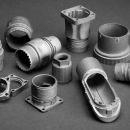
Spare Parts and Assemblies
- • Spare and wear parts for vehicles, equipment, and technical systems
- • Re-manufacturing at low quantities
- • Support of operational readiness and system availability
Tools, Jigs and Fixtures (MRO)
- • Assembly and maintenance aids
- • Fixtures for repair and servicing
- • Adaptation to specific processes or operating conditions
Enclosures, Covers and Protective Components
- • Protection of sensitive electronics and mechanics
- • Environmental and weather protection
- • Functional integration in compact designs
Prototypes and Pre-Series
- • Functional and design validation
- • Rapid iterations without tooling costs
- • Preparation for later series production
Materials and Processes
For use in military and defense-related environments, material properties, reproducibility, and process stability are critical. Depending on the application, the following may be used, among others:
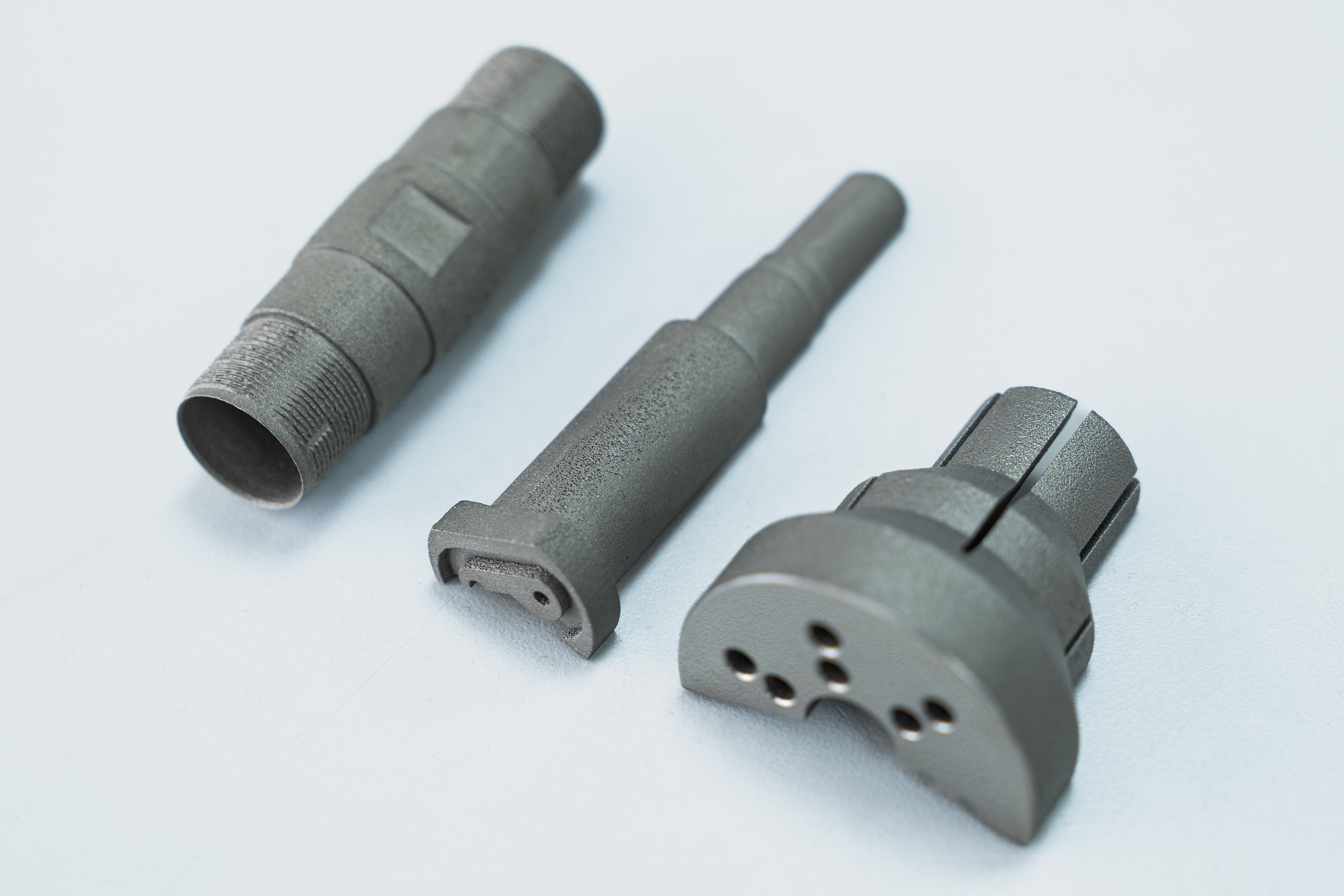
- Metal materials for mechanically loaded or temperature-resistant components
- High-performance polymers for housings, lightweight, and functional components
- Processes that are economically suitable for single parts, small and medium batch sizes
Typical industrial processes include powder bed–based polymer and metal technologies as well as complementary post-processing steps. Selection is always application-specific and considers technical and regulatory requirements.
Quality and Security
Applications in military and defense-related environments are subject to strict requirements regarding quality, documentation, and confidentiality. Additive manufacturing must therefore be embedded in controlled and traceable processes.
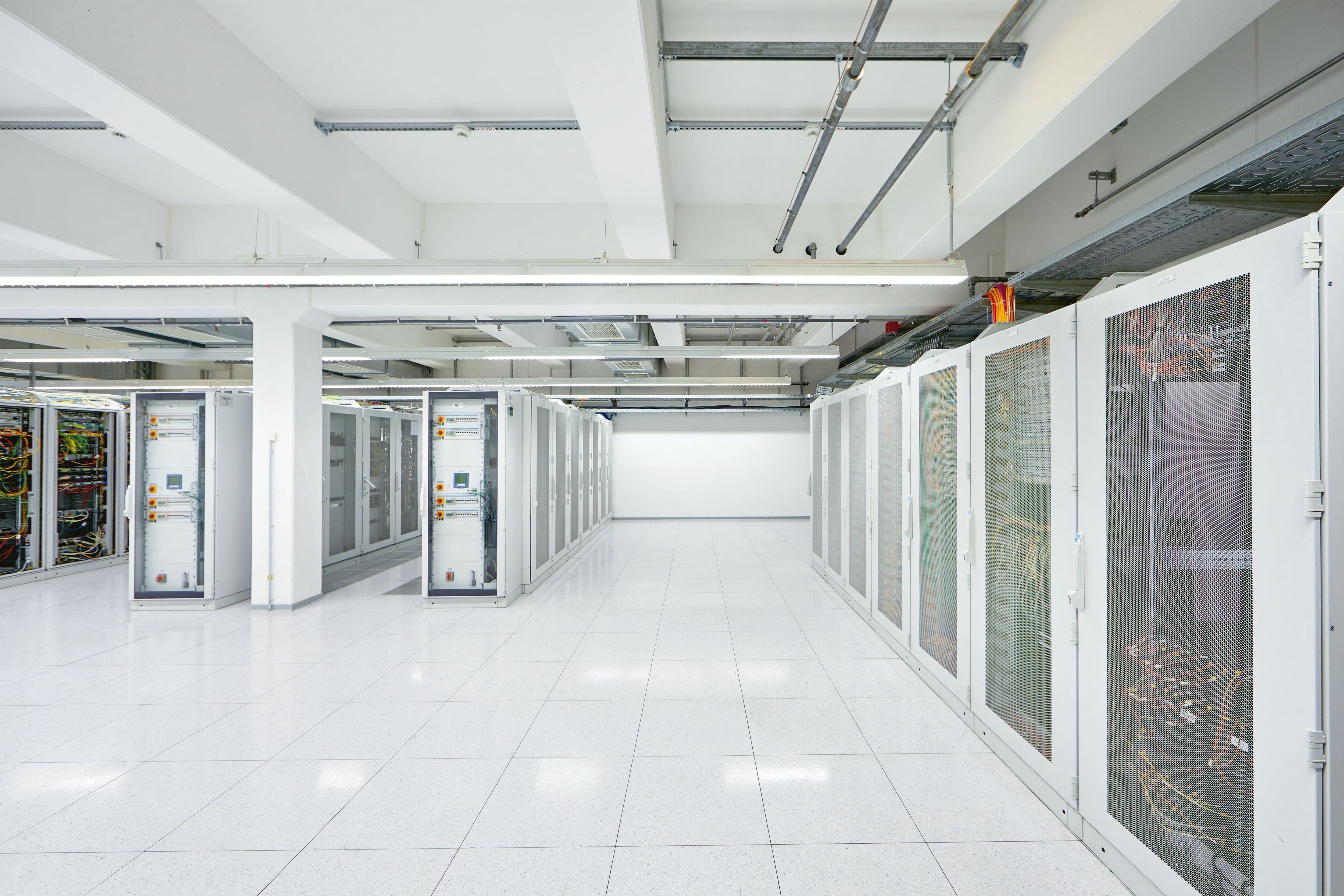
PROTIQ operates within a German production and infrastructure environment and works with qualified manufacturing partners. This supports requirements related to data protection, process security, and trusted collaboration.
How PROTIQ Can Support Projects
PROTIQ is an industrial additive manufacturing service provider offering the structural requirements to technically support projects in military and security-critical environments. This includes:
- Consulting on the selection of suitable processes and materials
- Manufacturing of prototypes, spare parts and small series
- Clear processes, documented workflows and manufacturing in Germany
Objectively Evaluating and Effectively Using Additive Manufacturing
3D printing in the military and defense industry is not a replacement for conventional manufacturing, but a strategic complement. When used appropriately, additive manufacturing can help increase availability, relieve supply chains, and improve technical adaptability.
If you would like to evaluate additive manufacturing for military or security-critical applications, PROTIQ will gladly support you with technical assessment and implementation.