


 Deutsch
 English
 Italiano






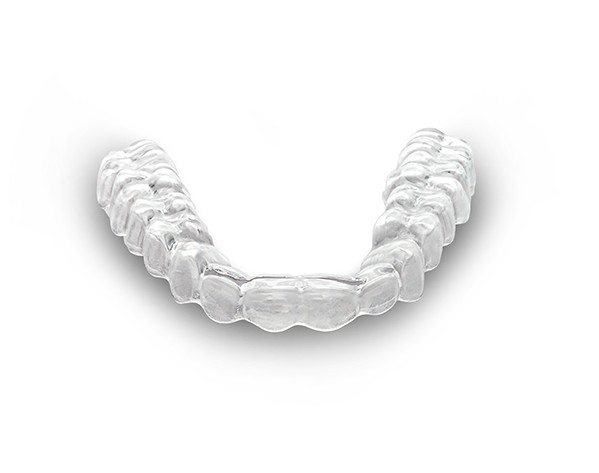
Additively manufactured dental splints
3D printing in modern dentistry
3D printing is noticeably changing dental manufacturing and opening up new possibilities in the production of customized dental splints for tooth correction and bite protection. The technology thus combines precise, personalized dentistry with modern production technology.
A key advantage of additive processes is their high level of customizability. Digital dental impressions and CAD-supported processes make it possible to adapt dental splints precisely to the patient's anatomy. This results in a high level of wearing comfort and effective treatment at the same time.
The materials used must be biocompatible, resistant and flexible. Their development is constantly progressing and improving the safety and performance of the splints produced.
In addition, dental splints can be produced much faster using 3D printing. While conventional methods require several work steps, additive manufacturing enables rapid production and therefore reduces waiting times for patients.
However, 3D printing is not only used for dental splints in dentistry. Crowns, bridges and complete denture models also benefit from the high precision and repeatability of the technology, which makes the entire dental manufacturing process more efficient and patient-oriented.
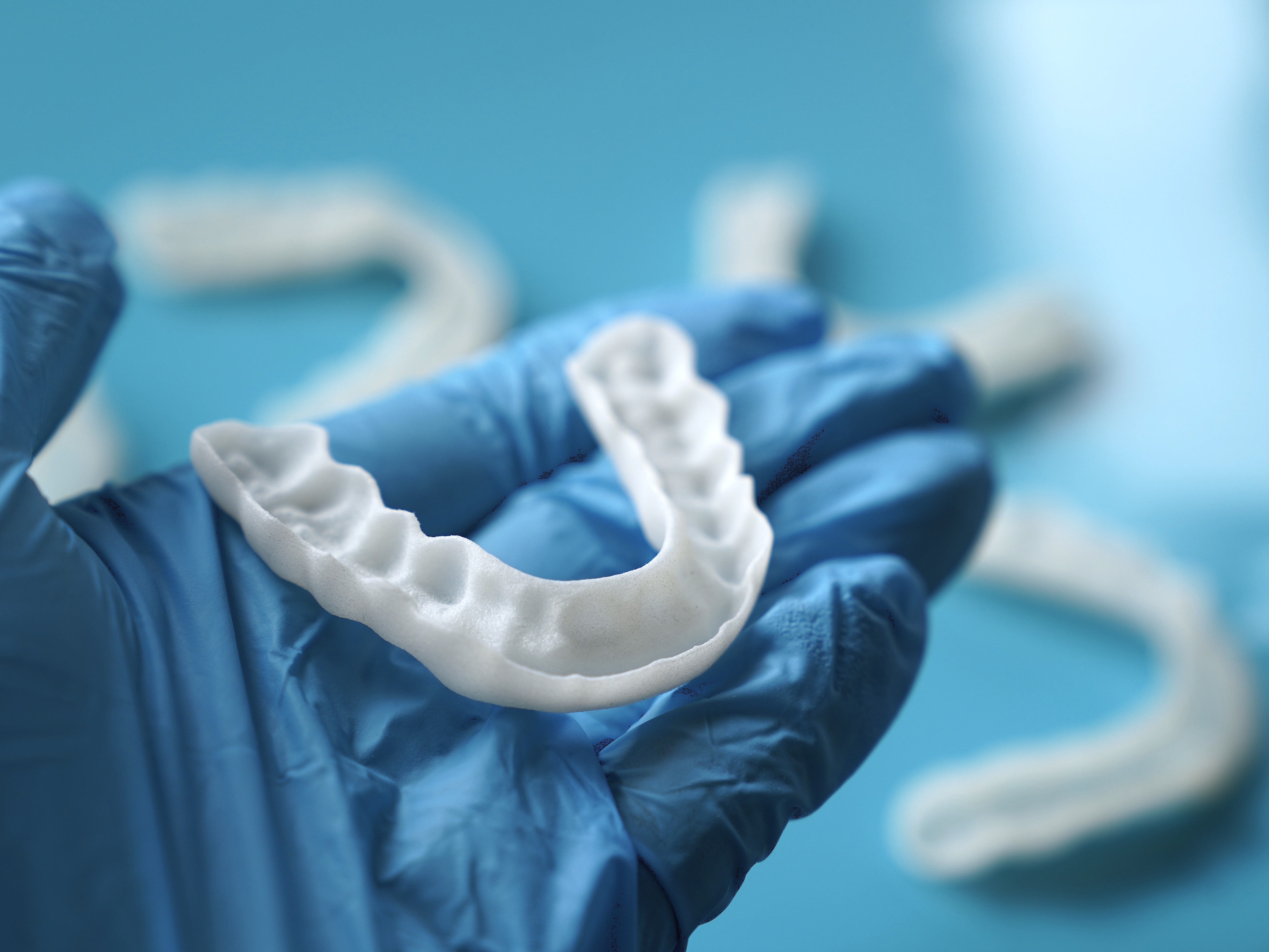
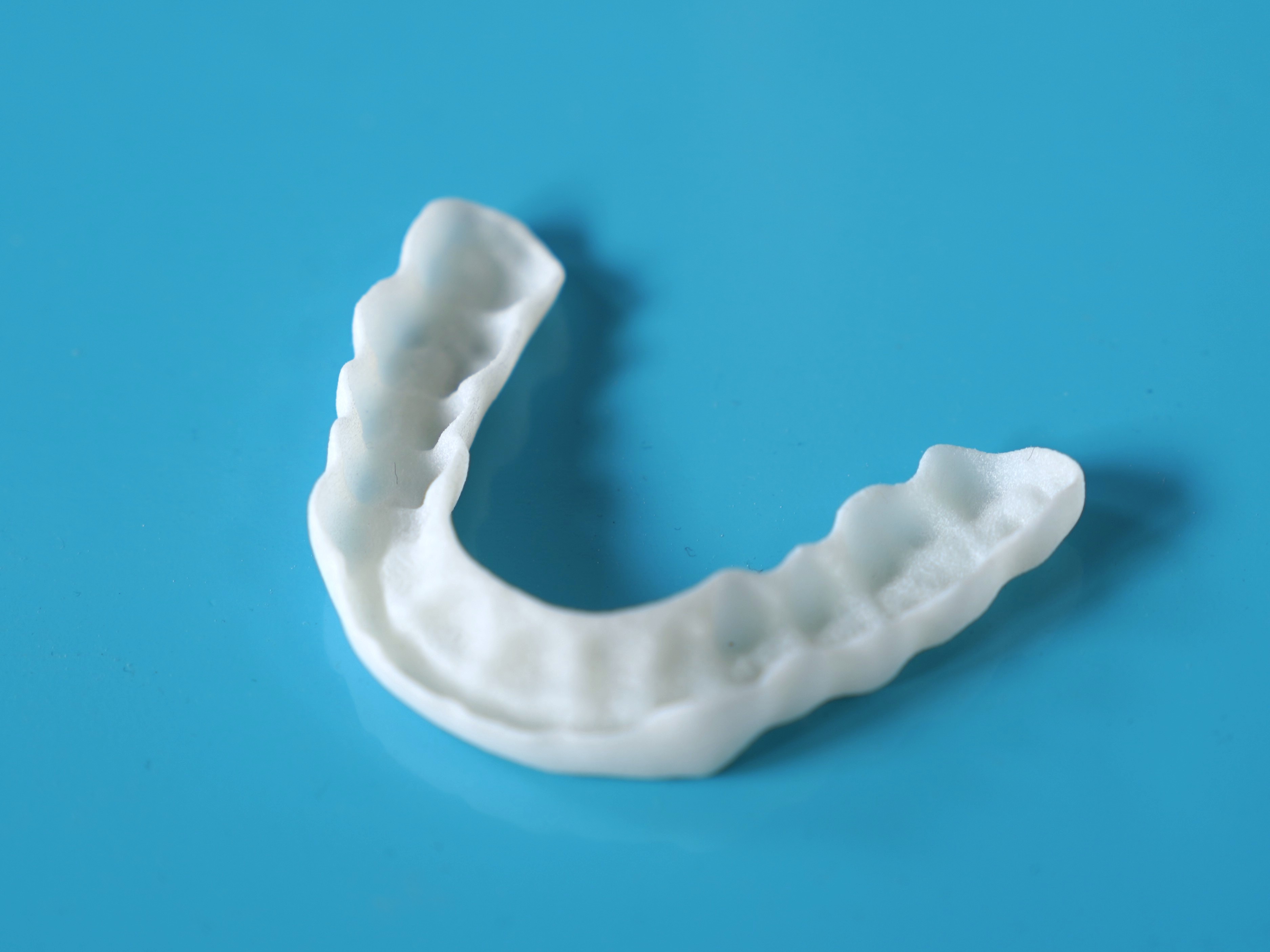
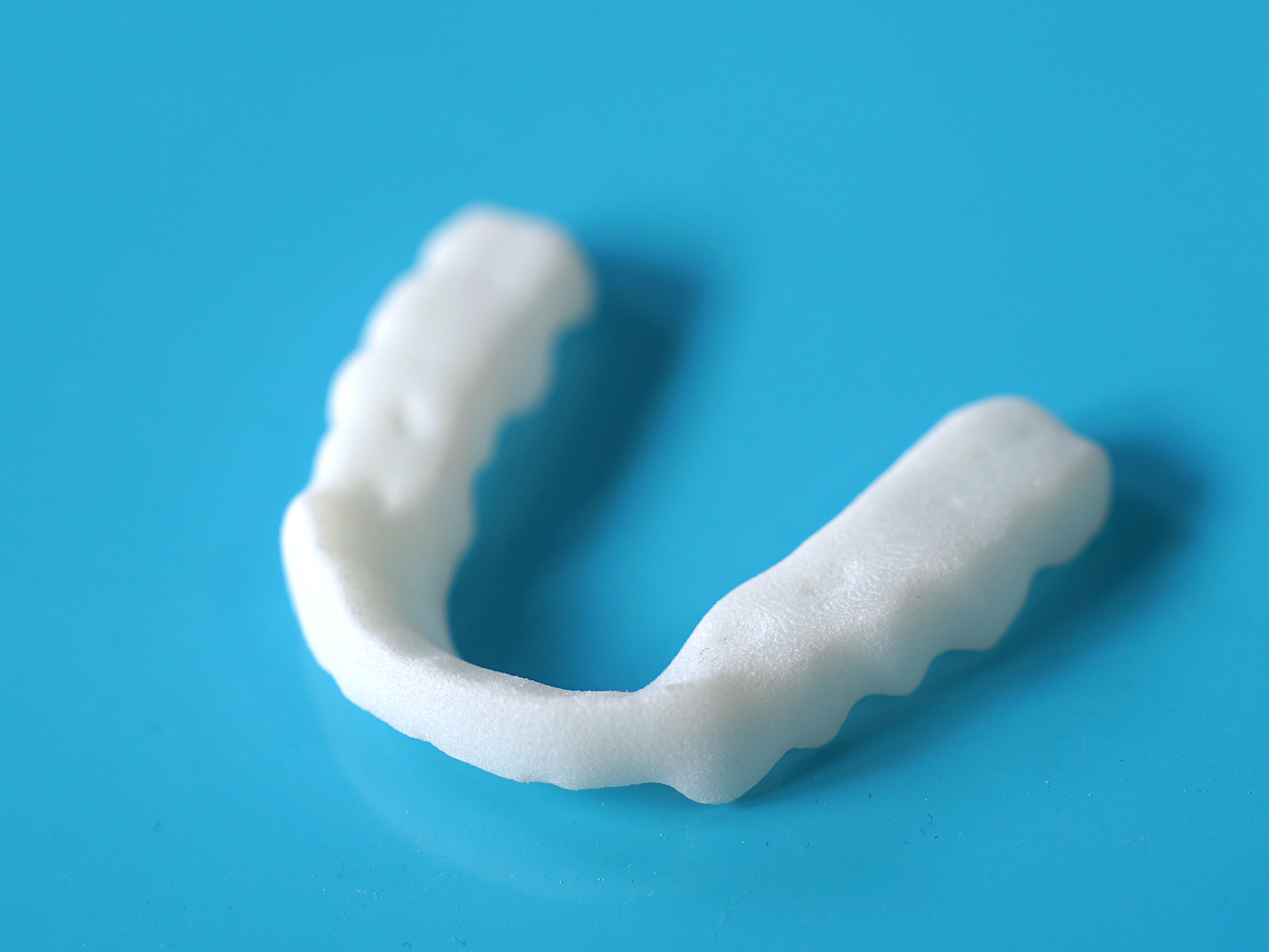
3D-printed dental splints made from PA11: How your splint is created
Customized dental splints (e.g. occlusal splints, protective splints or snoring splints) require a precisely fitting, robust and comfortable surface. At PROTIQ, we manufacture these dental splints from PA11 using selective laser sintering (SLS).
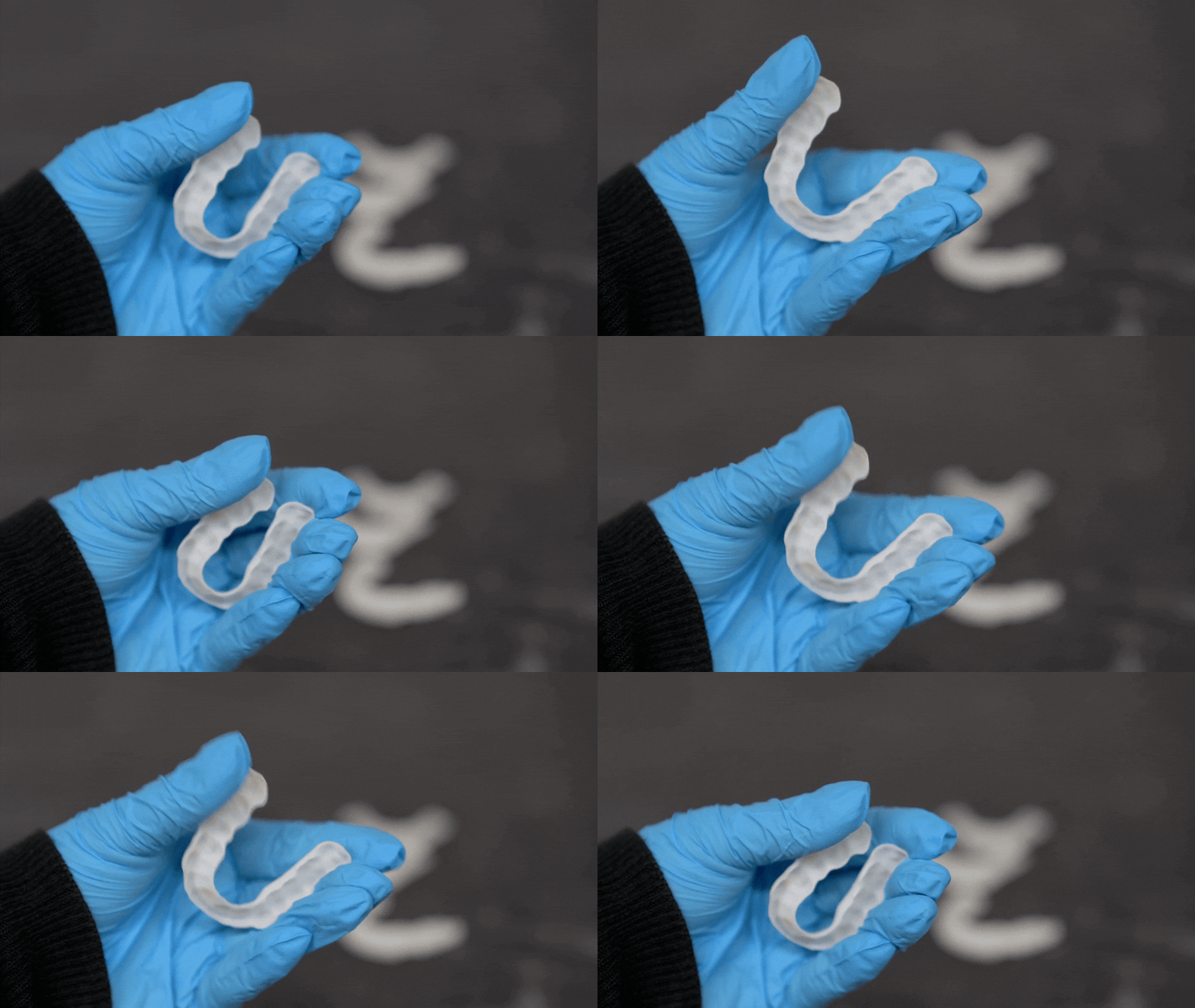
PA11: Bio-based material for functional dental splints
Less brittle than SLA splints
Impresses with its exceptional durability
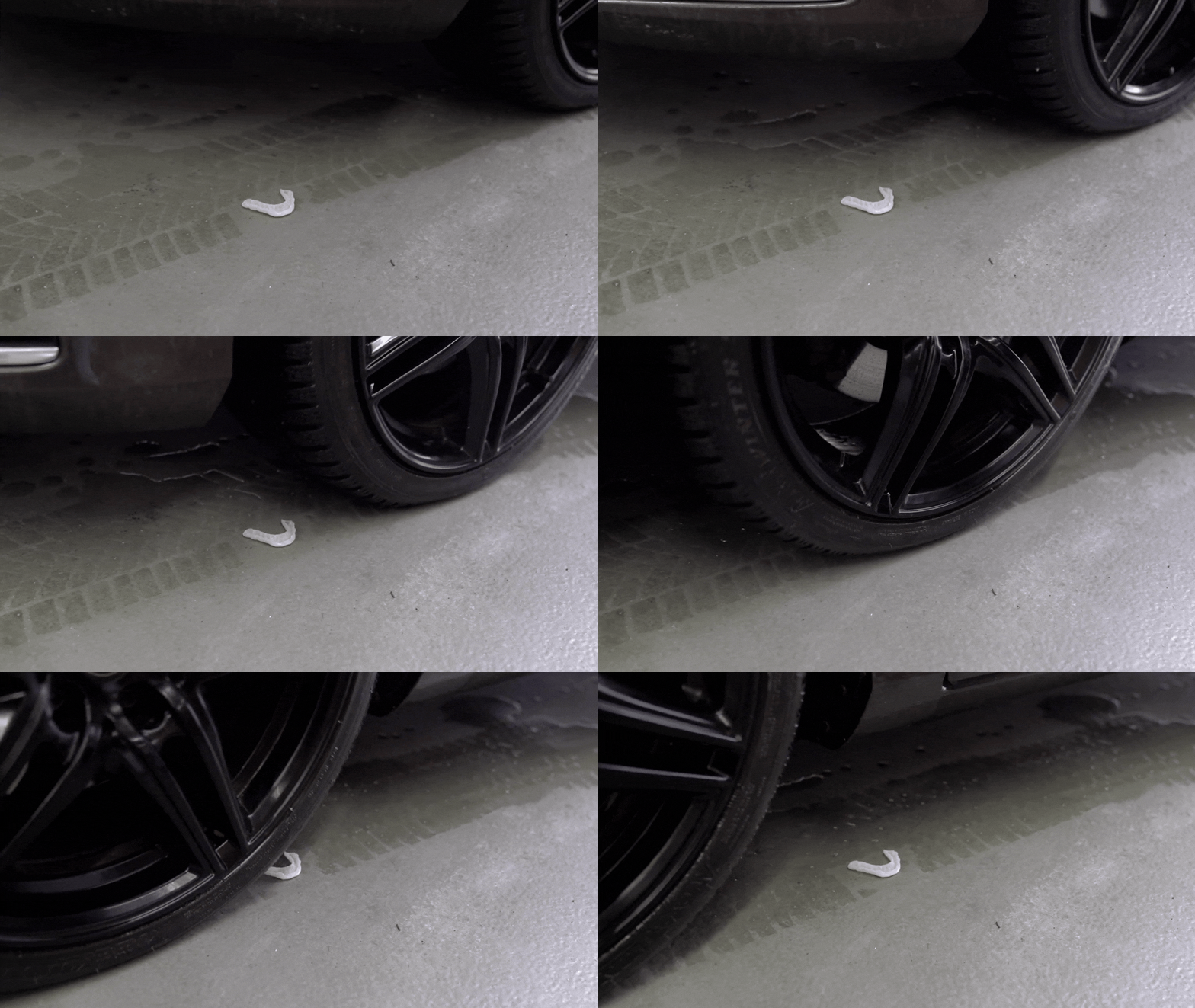
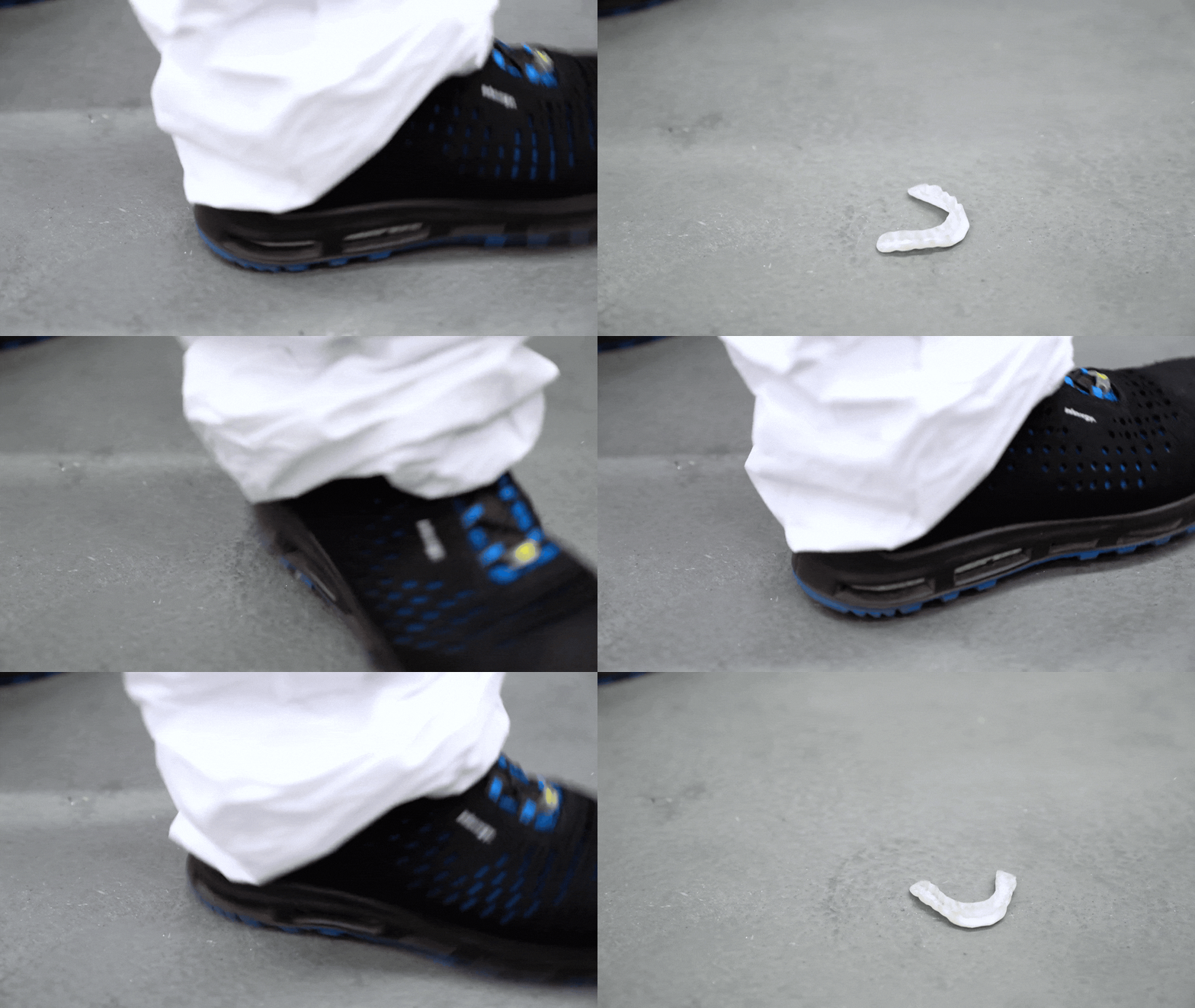
The robust material withstands even extreme load tests: a car can drive over it and even heavy kicks with heavy steel-toed shoes do not knock the rails out of shape. PA11 thus demonstrates a stability that you can rely on in everyday life and far beyond.
Selective laser sintering - the process in 4 steps
1| Data preparation: 3D data becomes a printable component
Am Anfang steht das digitale Modell Ihrer Zahnschiene. Die 3D-Daten werden für den SLS-Druck vorbereitet: Dazu gehören unter anderem die Ausrichtung im Bauraum sowie die Prüfung auf druckgerechte Geometrien. Ziel ist eine stabile, reproduzierbare Fertigung mit hoher Maßhaltigkeit, welches entscheidend für die Passform der Zähne ist.
2| 3D printing: layer by layer to the finished dental splint
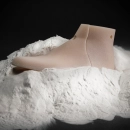
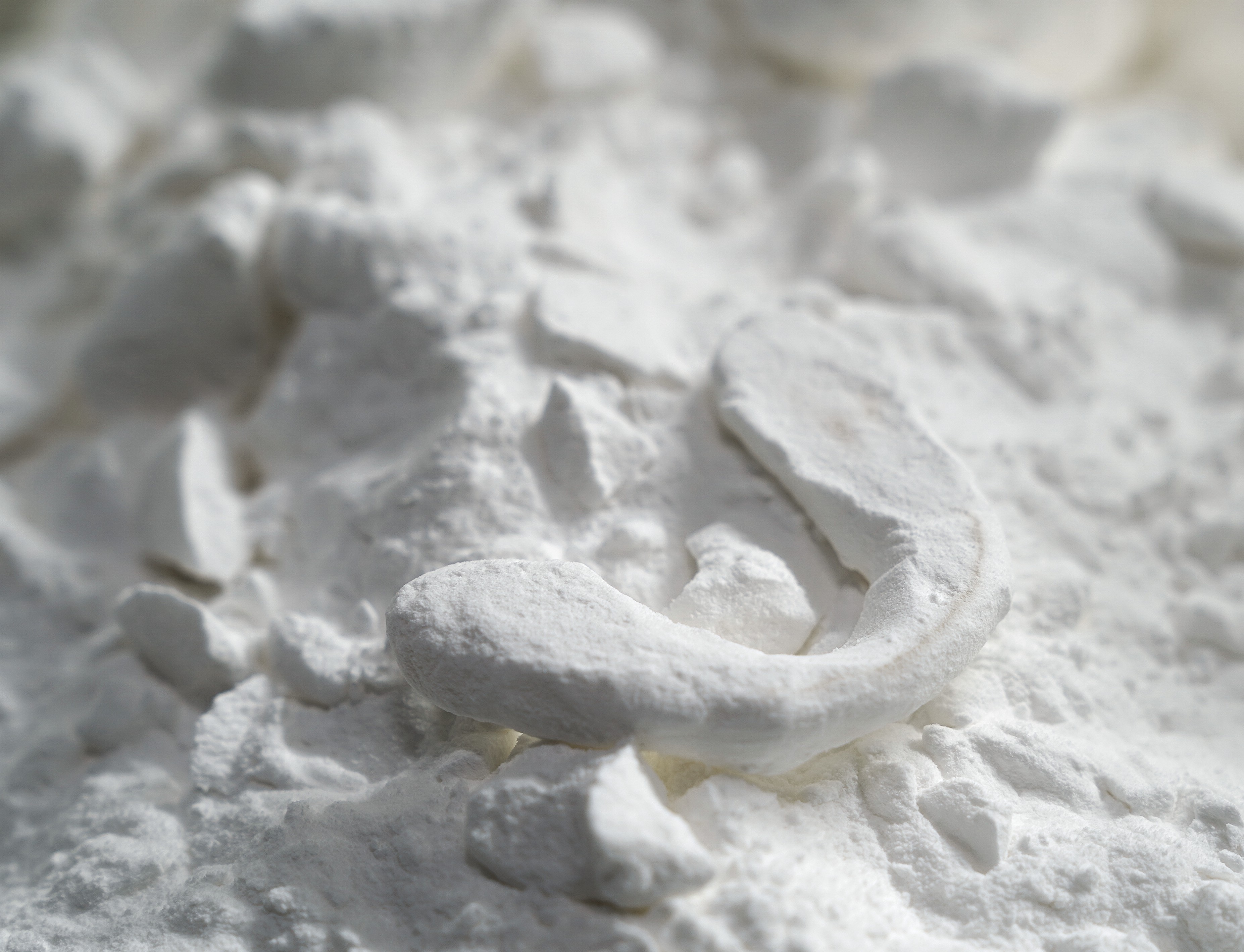
In the SLS process, a fine plastic powder (PA11 in this case) is applied in thin layers. A laser then heats the specific areas that belong to the dental splint. The next layer of powder is then applied and the process is repeated until the component is completely built up. The non-fused powder surrounds the component during printing and acts as a natural support, which is ideal for complex, thin-walled geometries.
3| Removal & blasting: Clean surface, clear contours
After printing, the components are removed from the powder bed and the remaining powder is carefully removed. The dental splints are then blasted to clean and homogenize the surface and to clearly define the contours. This creates a clean, uniform initial state for further post-processing.
4| Chemical smoothing: More wearing comfort and hygienic benefits
The surface quality is particularly important for dental splints. Chemical smoothing significantly refines the typical, slightly rough SLS surface. This has several advantages for the specific application:
- More comfortable to wear
- Better cleanability
- Functional surface
How to order your dental splints on the PROTIQ Marketplace
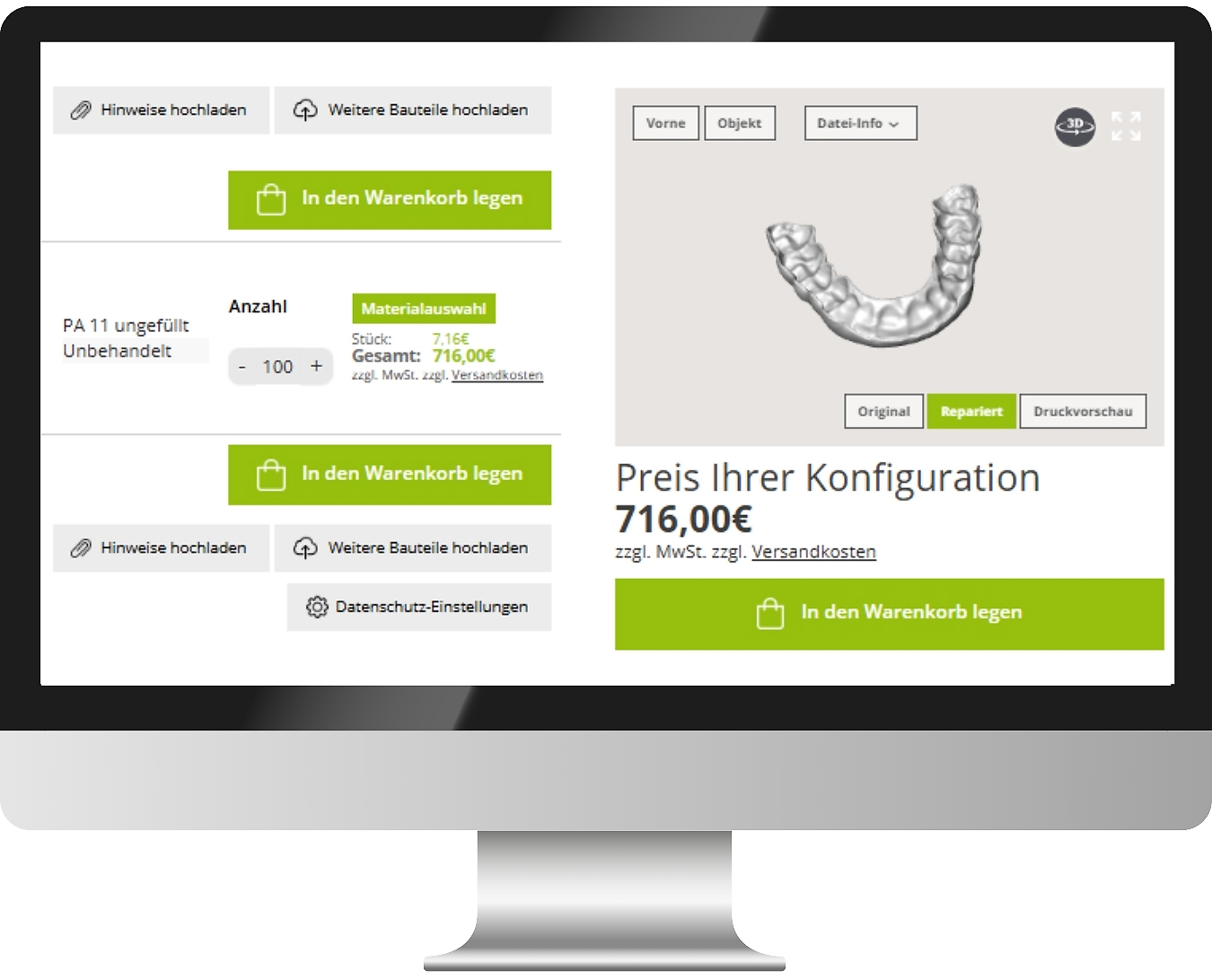
Dental splints made of PA11 from 7 EUR*
*The prices depend, among other things, on the number of pieces, the finishing and the desired production time
-
Upload 3D data
Upload the 3D data of your dental splints directly on our homepage or on our upload page.
Here you get to the file upload >
-
Select material: PA11
Select PA11 from PROTIQ as the material during the ordering process. Alternatively, PA12 is also suitable, depending on requirements.
-
Set finish: Smoothing
Select "chemical smoothing" as the finish to achieve a particularly smooth, comfortable surface.
- See prices immediately
You will receive price information for your rail directly in the material selection. Please note that you can benefit in particular from economies of scale here. - Complete your order - done
Complete the order. We will then start the additive manufacturing process and you will have your splint in your hands in just a few days.
What are the advantages of 3D printed dental splints?
-
Personalization
3D printing enables the customized production of dental splints that are precisely tailored to the patient's individual tooth structure. -
Precision and comfort
The technology ensures a high accuracy of fit, which increases wearing comfort and improves the effectiveness of the treatment. -
Speed
3D printing significantly shortens the production time of dental splints, resulting in faster availability for the patient. The technology ensures a high degree of accuracy of fit, which increases wearing comfort and improves the effectiveness of treatment
-
Faster product development
As 3D printing is generated directly from digital files, production time can be drastically reduced. This enables a faster response to changing market requirements and speeds up the entire development process.
Areas of application for 3D-printed dental splints
Orthodontic corrections
3D-printed dental splints are often used in orthodontics to correct misaligned teeth. They are a popular alternative to conventional braces as they are almost invisible and more comfortable.
Tooth protection for bruxism (teeth grinding)
Specially made dental splints can help patients who grind their teeth at night. These splints protect the teeth from abrasion and can help to relieve jaw pain.
Retention splints after orthodontic treatment
After braces have been removed, retention splints are often used to hold the teeth in their new position and prevent them from shifting back.
Teeth whitening trays
For cosmetic treatments such as teeth whitening, customized trays can be made to safely and effectively apply the bleaching agent to the teeth.
Protection during sports activities
3D-printed mouthguards for athletes offer customized protection for the teeth during high-impact sports.
Therapeutic applications
In some cases, dental splints can be used therapeutically, for example to treat TMD (temporomandibular joint disorders) or for protection during certain medical treatments.
Which materials are suitable?
The materials used play a decisive role in the production of 3D-printed dental splints. These materials must not only be strong and durable, but also biocompatible to ensure safe use in the oral cavity. Here are some of the most common materials used in the production of 3D printed dental splints:
Thermoplastics: These are most commonly used in the production of 3D-printed dental splints. They are characterized by their flexibility and strength and are manufactured by PROTIQ from PA11 using the SLS process.
Biocompatible resins: Special resins developed for medical use are another option. These resins are known for their smooth surface and adaptability, making them ideal for customizing dental splints.
Silicone-based materials: These are particularly valued for their comfort and flexibility. They are particularly suitable for patients with sensitive teeth or gums.
Each of these materials has specific properties that make them suitable for different applications within dental care. The selection of the right material depends on various factors, including the specific application of the splint, the required durability and the desired comfort for the patient.
The continuous development and improvement of these materials is an important aspect of 3D printing technology in dentistry. It not only enables the precise and efficient production of dental splints, but also helps to increase patient satisfaction and safety.
CADdent: Our marketplace expert in the dental sector
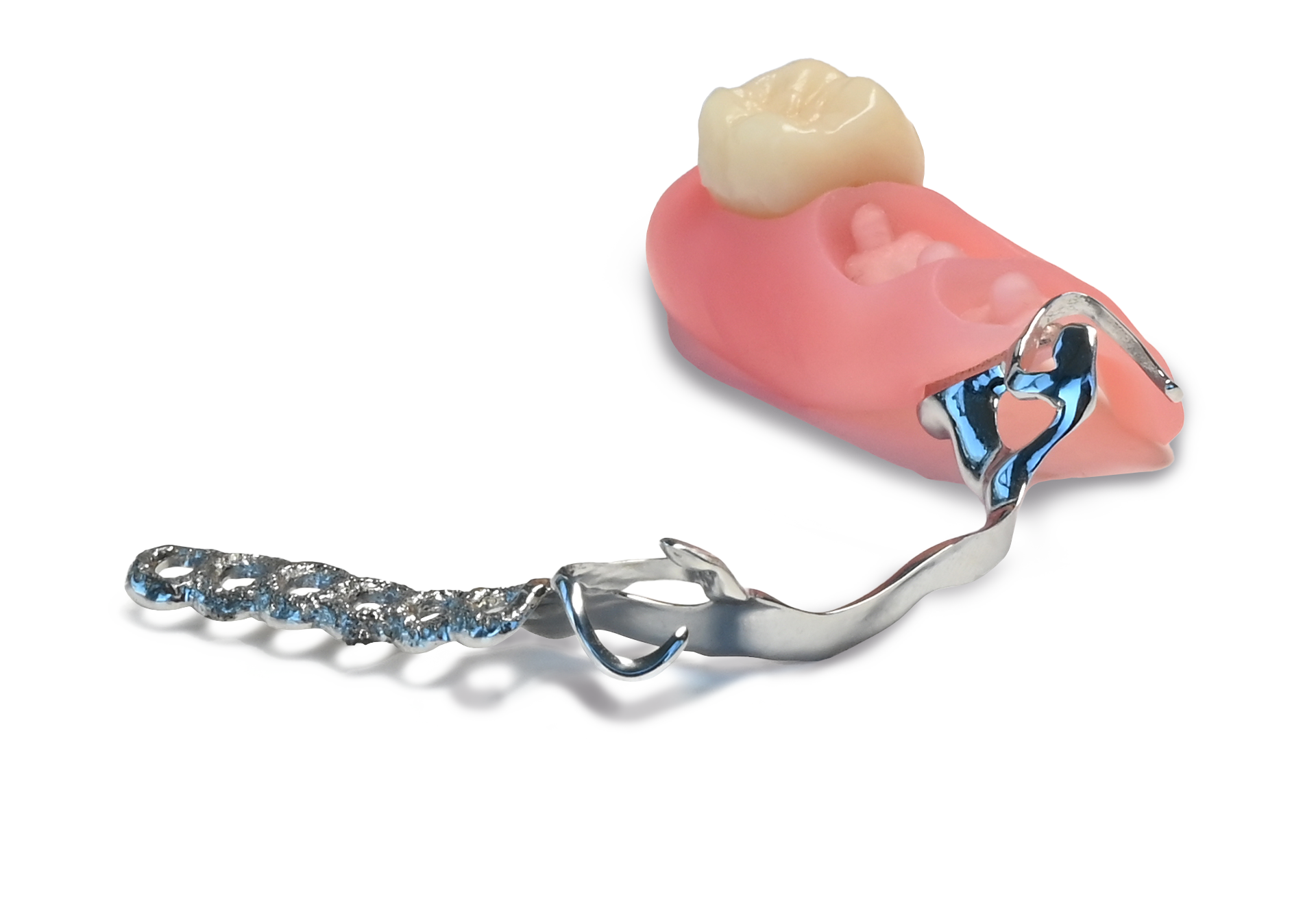
In addition to the dental splints made of PA11 from PROTIQ, there are of course numerous other possible applications for 3D printing in the dental sector. You will also find the right partner for this on our platform: CADdent has over 20 years of experience in dental technology and offers precision manufacturing for dental technology and rapid prototyping - from metal and ceramics to plastics. CADdent also provides this expertise as a manufacturing provider on the PROTIQ Marketplace.
Further areas of application
In addition to dental splints, 3D printing is used for a variety of applications in the dental sector:
Dentures and crowns: 3D printing is used to produce personalized denture solutions such as crowns, bridges and model castings. These parts are precisely matched to the patient's individual anatomy to ensure an optimal fit and functionality.
Surgical guides: Surgical guides are created using 3D printing for complex dental surgery procedures. These customized tools help surgeons make precise cuts and drill holes for implants, increasing the safety and accuracy of the procedure.
Dental models and study models: Physical models of teeth are often required as part of patient education and treatment planning. 3D printing enables such models to be produced quickly and accurately, which is useful for dentists and patients alike.
Frequently asked questions about 3D-printed dental splints
What is a 3D-printed dental splint?
A 3D-printed dental splint is a custom-made splint that is produced using the latest 3D printing technology. At PROTIQ, dental splints are produced from PA11 using selective laser sintering.
Are 3D-printed dental splints just as safe as conventionally manufactured ones?
Yes, they are made of biocompatible materials and are manufactured according to strict quality standards.
Are 3D-printed dental splints stable?
Yes, 3D printed aligners are made from specially developed plastics that are designed for everyday use. These materials are flexible enough to fit comfortably, but stable enough to reliably retain their shape over the intended wearing time.
Is 3D printing widespread in dental technology?
3D printing has become an established technology in dental technology in recent years and is now routinely used in many areas. Modern dental laboratories and digital manufacturing centers use 3D printing not only for dental splints, but also for models, drilling templates, prosthetic auxiliary parts or temporary restorations.