


 Deutsch
 English
 Italiano

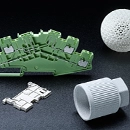





On‑Demand Spare Parts for Beverage Filling
We know your challenge
In high‑throughput beverage production, every minute of downtime directly impacts output. Wear, format changes, long supplier lead times and discontinued components make spare‑parts planning increasingly unpredictable. Keeping large inventories is costly and still doesn’t guarantee that the right part is available when needed — yet waiting weeks for replacements is no option for a line that must run reliably every day.
That’s why digital, on‑demand manufacturing provides a decisive advantage: your validated geometry becomes a production‑ready spare part, delivered quickly, repeatably and without tooling. Whether it’s a frequently replaced wear item or a legacy component no longer supported by the OEM, we help you keep your filling lines moving with minimal interruption.
Affordable Replacement Parts
f a component fails or OEM lead times are too long, you can get your replacement part from us quickly — and often at a significantly lower cost.
Whether you have CAD data or a physical sample, we turn it into a ready‑to‑install part that gets your line back up and running right away.

When to use on‑demand additive spares
On‑demand additive manufacturing is particularly valuable when short lead times and operational continuity matter. If a component is worn, discontinued or tied to long OEM delivery cycles, 3D‑printed replacements allow you to restore functionality quickly without waiting for tooling or minimum order quantities. The approach is ideal for low‑volume parts, seasonal or frequently changing formats, as well as components that naturally experience wear and require periodic replacement. Because the geometry is produced digitally, the same part can be reordered at any time with consistent quality, or, if beneficial, iterated to improve durability or handling.
This flexibility is especially helpful when production schedules are tight and every hour of downtime affects throughput. Instead of holding large inventories or reacting to unpredictable supplier timelines, digital spare‑parts production lets you request exactly what you need, when you need it. It also reduces the effort involved in sourcing obsolete parts for older equipment. For parts that must be validated or adjusted before long‑term use, additive manufacturing enables fast prototyping and refinement so the final component meets the mechanical and functional requirements of your line.
Why manufacturers choose PROTIQ for spare parts
-
Speed that protects uptime
Tool‑less, digital manufacturing shortens lead times versus traditional procurement or tooling. (Lead time depends on material, part size, finishing.) -
Cost‑effective
No tooling, flexible quantities—from one‑off emergency parts to short runs and batch replenishment. -
Fit‑for‑purpose materials
Engineering polymers and metals selected for the duty: wear resistance, stiffness, corrosion resistance, antistatic/ESD, or lightweighting. -
Quality you can trust
Repeatable processes, documented parameters, and material data on request. Parts ship with the agreed specification. -
Options when no CAD exists
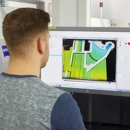
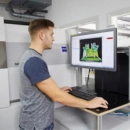
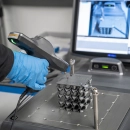
We can reverse engineer from samples via 3D scanning (incl. CT for complex internals) or re‑model from measurements—so legacy parts don’t keep your line hostage.
Quality & compliance notes
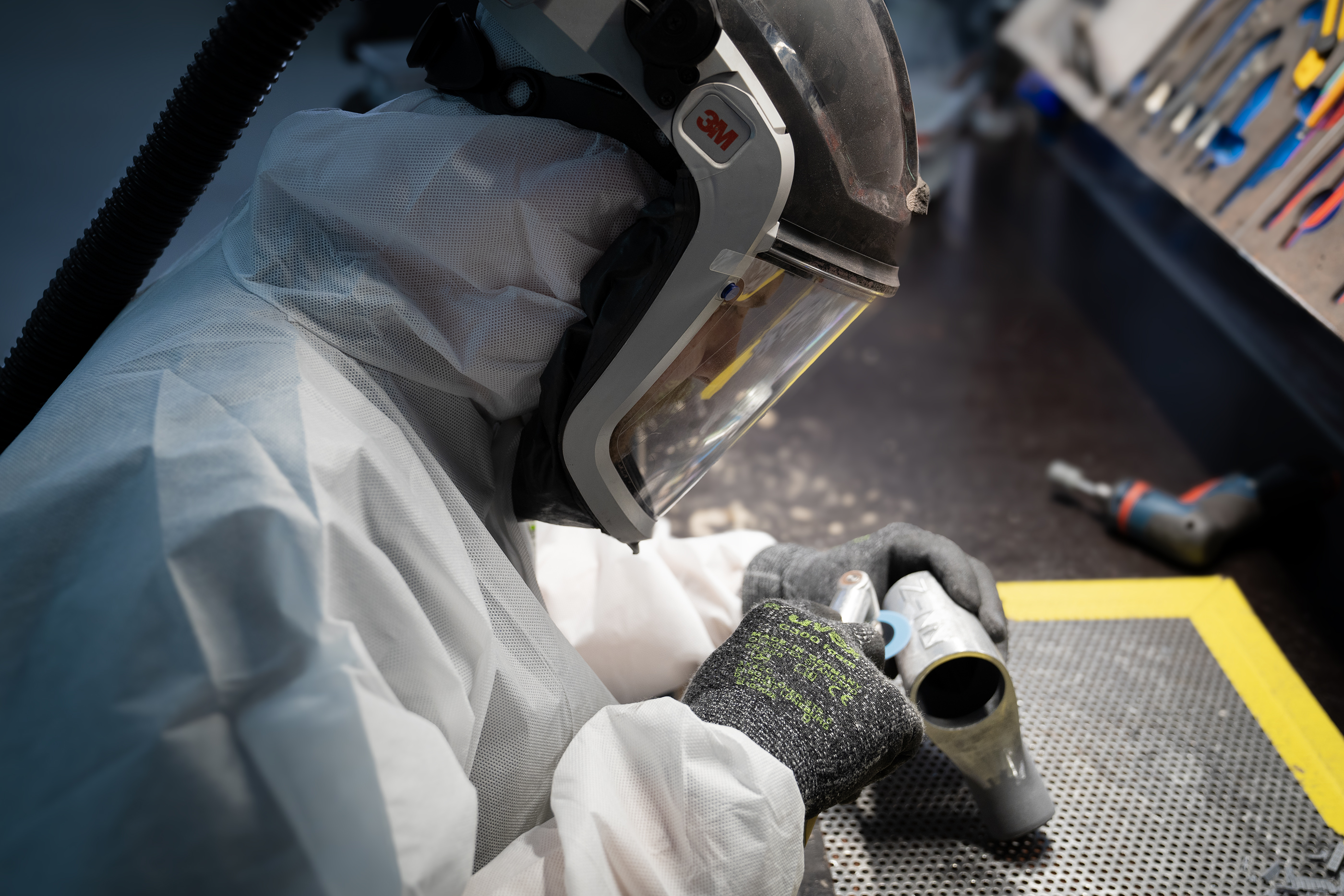
Our spare parts are produced using clearly defined process parameters, so dimensional accuracy and repeatability are aligned with the tolerances we agree on upfront. For interfaces with tight fits, we can include post‑processing steps such as machining or polishing to ensure a reliable connection. Many components in beverage filling environments fall into non‑contact zones, such as guards, guides or brackets, where engineering polymers and metals perform robustly even under cleaning, humidity or chemical exposure.
For parts intended for direct or incidental food contact, we can recommend suitable materials and surface finishes; however, the final validation, hygiene assessment and regulatory compliance always remain with you, as requirements vary between machine types, cleaning regimes and regional regulations. We provide material documentation and batch information on request, ensuring full transparency throughout production. Together, we align specification, tolerances and inspection scope so each part meets the functional requirements of your line without unnecessary risk or over‑engineering.
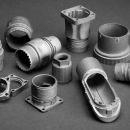
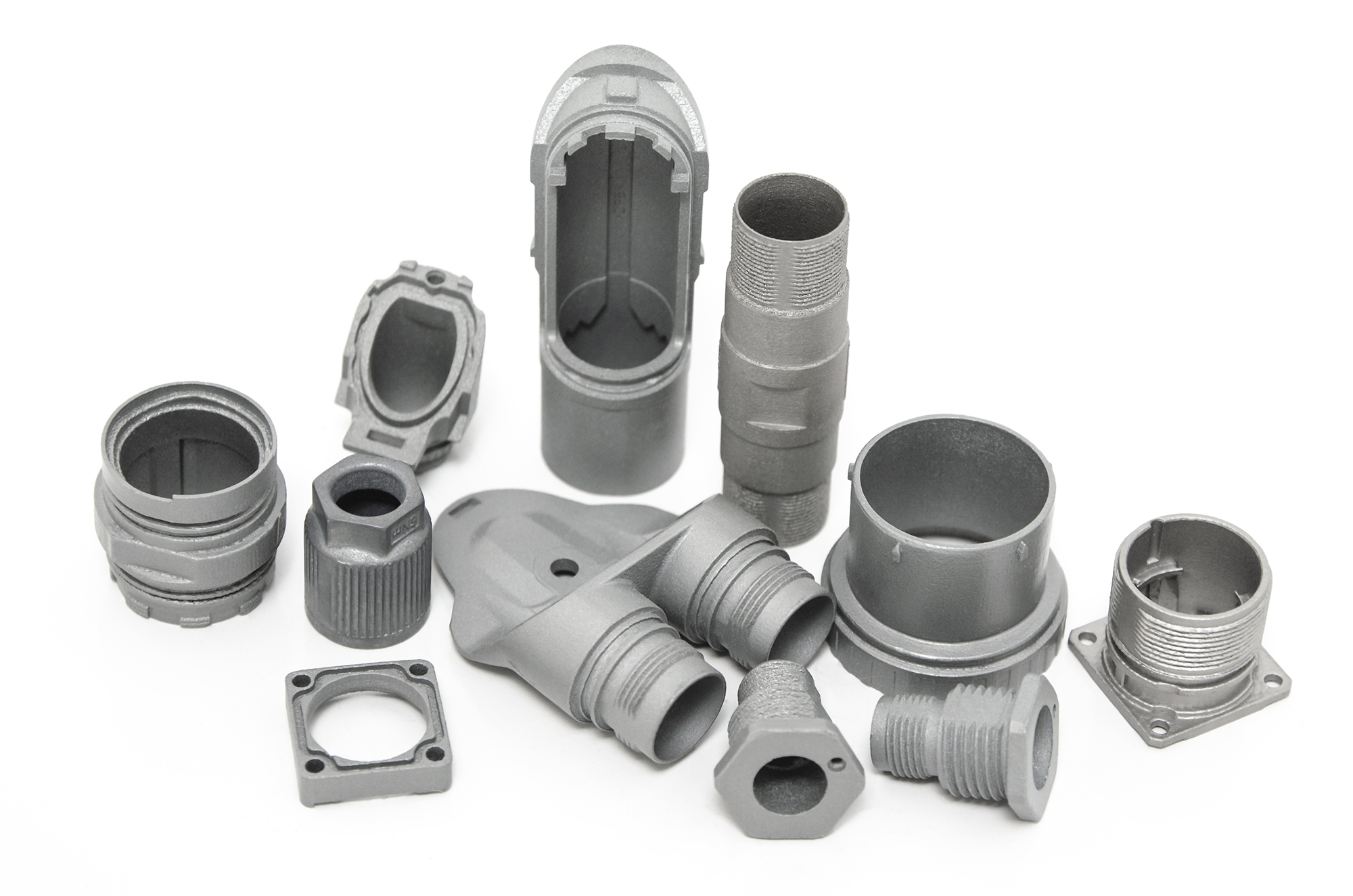
Typical components for beverage lines
Frequently asked questions about 3D-printed spare parts
Are 3D‑printed parts durable enough for filling lines?
Many non‑contact and auxiliary components are excellent candidates (format parts, guards, guides, sensor mounts, grippers). For highly loaded or wear‑critical items, we’ll recommend the right material/process—and tell you when a conventional method is safer.
Can you deliver metals as well as plastics?
Yes. We manufacture both metal and plastic parts additively and also support hybrid routes (print + machining) when needed.
We don’t have CAD. Can you still help?
Yes. We can scan (incl. CT) or re‑model and then build to spec.
Minimum order quantity?
None. From one‑off emergency parts to short‑run batches, order exactly what you need.